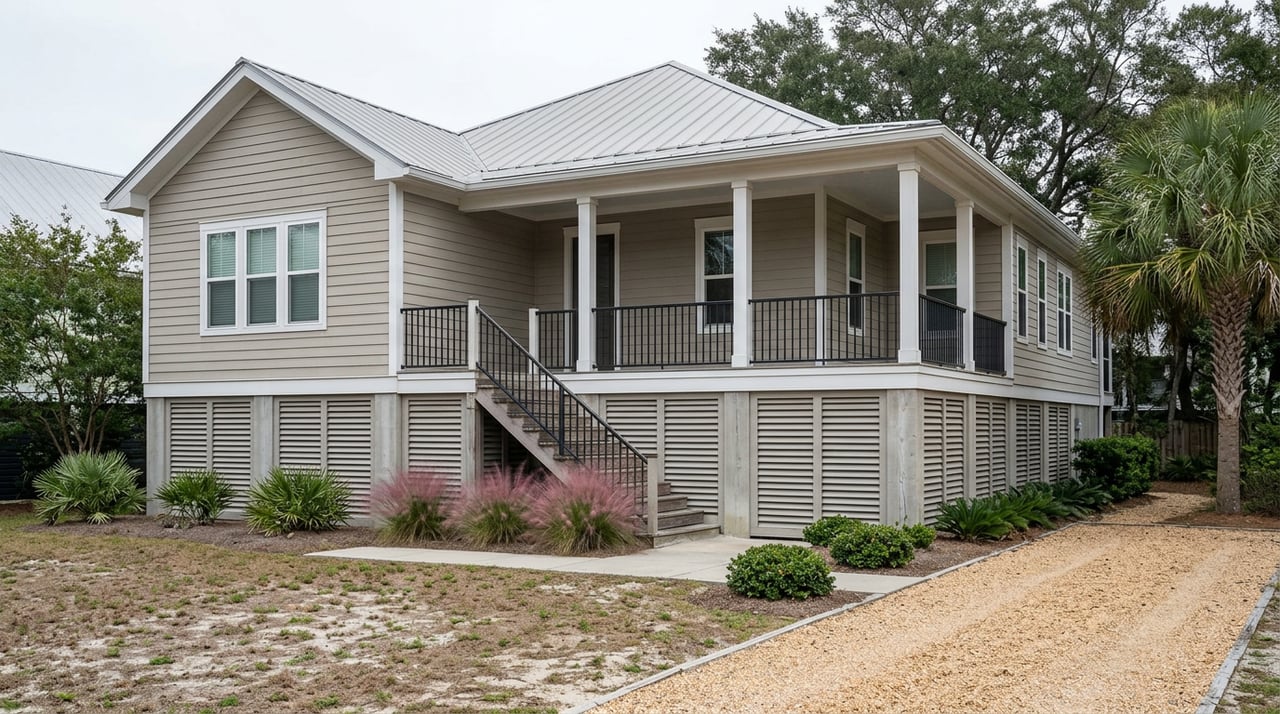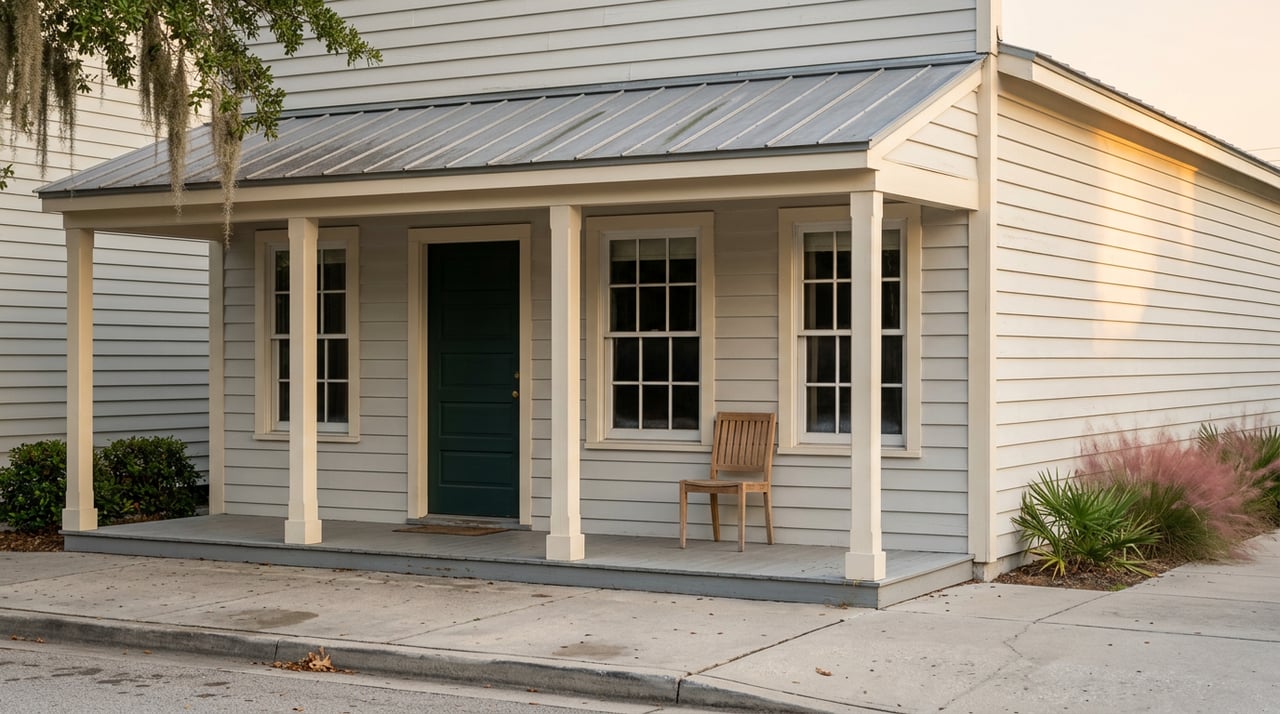
Wondering how to sell a Cape San Blas vacation rental without hurting bookings, delaying closing, or creating tax surprises? You are not just selling a beach house here. You are often selling a property with an active short-term rental history, layered local and state requirements, and a buyer who wants clear answers fast. If you plan ahead, you can protect value, reduce friction, and make the handoff much smoother. Let’s dive in.
Why vacation rentals sell differently
A Cape San Blas vacation rental is more than real estate on a lot. In many cases, it is also an operating lodging business with records, licenses, taxes, reservations, and vendors attached to it.
In Gulf County, a short-term rental is a legally licensed dwelling rented for overnight stays on transient rentals of six months or less. The county also requires owners to register for Tourist Development Tax, and Florida DBPR requires a vacation-rental license before operating. That means buyers often look at the property itself and the rental operation behind it.
Start with the compliance file
Before your home goes live, organize the paperwork that shows the rental has been run properly. This helps serious buyers evaluate the opportunity and gives your title and closing team fewer loose ends to chase later.
A strong pre-listing file often includes:
- 12 to 24 months of gross rental statements
- Occupancy history by month or season
- Monthly Gulf County Tourist Development Tax returns, including zero-activity months
- Proof of TDT payments
- Florida sales-tax filings or manager remittance summaries
- Current short-term rental license details
- Renewal notices, inspection reports, and any violation notices
- Property management agreement
- Vendor contacts, cleaning schedules, and maintenance records
- Future reservation calendar
- Permits, invoices, and warranties for major repairs or updates
For coastal properties, it also helps to have your deed, survey or elevation information if available, insurance declarations, HOA or condo rules if they apply, and your latest property tax notice ready to review.
Know the Gulf County tax picture
One of the biggest mistakes sellers make is treating rental taxes like a small side issue. In Cape San Blas, tax compliance is part of the value story.
Gulf County’s Tourist Development Tax is 5% of gross short-term rent. The county says gross rent includes non-optional charges such as booking fees, reservation fees, cleaning fees, pet fees, and extra-guest or extra-bed charges. Monthly returns are due by the 20th of the following month, even if there was no rental activity.
Florida also imposes a 6% state sales tax on transient rentals, and Gulf County is listed at a 1% discretionary surtax in the current state table. For sellers, that means your buyer may want to see clean records that reflect layered tax compliance, not just a platform payout summary.
Another key point is that Gulf County says Airbnb and Vrbo do not remit the county Tourist Development Tax on behalf of owners. If you used a property manager, the manager may have collected and remitted taxes under the manager’s tax ID, but Gulf County says owners remain responsible if a manager fails to collect or remit tax.
Separate gross income from expenses
Buyer-investors care about revenue, but they care even more about clarity. If your records mix platform payouts, cleaning charges, owner holds, refunds, and vendor bills together, it becomes harder for a buyer to understand the property’s actual performance.
The most useful numbers usually include:
- Gross revenue by month
- Occupancy rate
- Average daily rate
- Management costs
- Cleaning costs
- Maintenance spending
- Utility costs
- Insurance costs
- Tax payments
- Reserve spending
- Capital improvements
Because Gulf County includes non-optional fees in gross short-term rent, a clean income summary matters. Buyers need to see what came in, what had to be remitted, and what it really cost to operate the property.
Time the sale around the booking calendar
The cleanest vacation rental sale usually follows the reservation schedule, not the other way around. If you list without a plan for turnovers, guest stays, and future bookings, you can create stress for everyone involved.
Showings often work best between guest departures and cleaning resets. That gives the home time to present well and reduces disruption for paying guests.
You should also decide early what will happen with upcoming reservations. In many sales, the key question is whether those bookings will be honored, canceled, or transferred as part of the transaction. Buyers who want immediate rental income will usually want that answered before they make final decisions.
Watch the short-term rental license timeline
In Gulf County, license timing matters. The county says short-term rental licenses renew annually, reminder emails begin October 30, renewal applications open November 1, and licenses expire December 31.
The county also requires an annual inspection for renewal. If your property is under contract late in the year, it is smart to think through renewal timing before closing gets close.
If a seller lets the license lapse during escrow, a buyer who planned to keep the home rented right away could face delays. Gulf County also says that in some cases a license may be transferable, but owners should contact the STR Office first. That is why early verification matters.
Confirm address-specific local rules
Not every property is treated exactly the same. Gulf County says properties in taxing districts 3 and 5 are exempt from the county short-term rental business-license requirement, so your address needs to be checked rather than assumed.
The county also notes that its flood map is still preliminary and says FEMA should be used for the current map. For a coastal sale, that can matter when buyers review flood exposure, insurance planning, or elevation information.
This is one reason local guidance matters so much in Cape San Blas. Small address-level details can shape how a buyer sees risk, timing, and next steps.
Prepare required disclosures early
A smart sale is not just about marketing. It is also about getting the disclosure package ready before contract discussions move too far.
Florida requires a flood disclosure at or before contract execution for residential real property. Florida also requires a disclosure summary about ad valorem taxes to be presented to prospective purchasers at or before the sales contract is executed.
If the property is in an HOA community, Florida requires a disclosure summary before the contract is signed. If that disclosure is not provided on time, the buyer may have a short window to void the contract. Getting these items assembled early helps reduce last-minute surprises.
Show buyers the full investment picture
Cape San Blas buyers are often comparing more than finishes, beach access, and bedroom count. They want to understand whether the property can keep operating smoothly after closing.
That means your file should tell a clear story about income, expenses, compliance, and future reservations. It should also show major improvements, especially when permits, invoices, or warranties support the work.
Gulf County’s property appraiser says it tracks ownership changes, parcel boundaries, sales prices, construction costs, and rents. Buyers know that paper trails matter, and a well-documented property often gives your asking price more support.
What a local agent helps coordinate
Selling a Cape San Blas vacation rental the smart way usually requires more coordination than a typical home sale. You may need to line up rental statements, county tax records, licensing details, inspection timing, reservation strategy, disclosures, and title work all at once.
A local agent can help you manage both the real estate file and the rental file. That includes checking address-specific district details, helping organize records buyers expect to see, and keeping the listing and closing timeline aligned with your booking calendar.
For many sellers, that hands-on coordination is where value shows up most. It can help you reduce avoidable delays, present the property more clearly, and give buyers more confidence from the start.
If you are thinking about selling a Cape San Blas vacation rental, the smartest first move is getting your records, timing, and compliance picture in order before the property hits the market. When you want practical local guidance from a team that knows Gulf County’s coastal market, reach out to Eli Duarte.
FAQs
What taxes matter when selling a Cape San Blas vacation rental?
- Gulf County requires Tourist Development Tax registration for short-term rentals, with a 5% tax on gross short-term rent, and Florida transient rentals are also subject to 6% state sales tax plus Gulf County’s 1% surtax listed by the state.
What records should you gather before listing a Cape San Blas short-term rental?
- The most helpful records usually include 12 to 24 months of rental statements, occupancy history, county TDT returns, proof of payment, sales-tax filings, license records, inspection reports, management agreements, vendor lists, and future reservations.
Can a Gulf County short-term rental license transfer to a new owner?
- Gulf County says some existing short-term rental licenses may be transferable, but the owner should contact the STR Office first to confirm eligibility.
Do Airbnb and Vrbo pay Gulf County Tourist Development Tax for owners?
- Gulf County says Airbnb and Vrbo do not remit the county Tourist Development Tax on behalf of owners.
Why does timing matter when selling a Cape San Blas vacation rental?
- Timing matters because showings, guest stays, cleaning schedules, future reservations, annual inspections, and the county license renewal cycle can all affect how smoothly the sale and post-closing rental transition go.
What disclosures are required when selling a Florida coastal property?
- Florida requires a flood disclosure at or before contract execution for residential real property, and it also requires an ad valorem tax disclosure summary at or before the sales contract is executed. If an HOA applies, an HOA disclosure summary is also required before signing the contract.