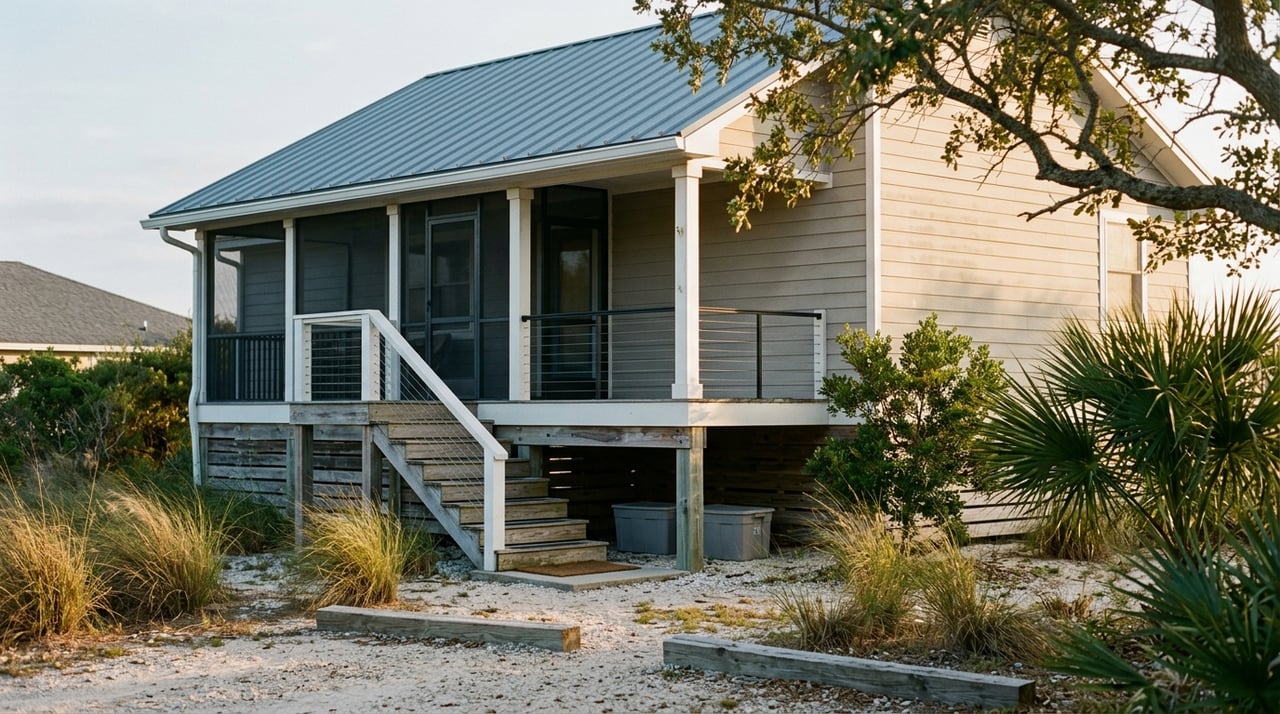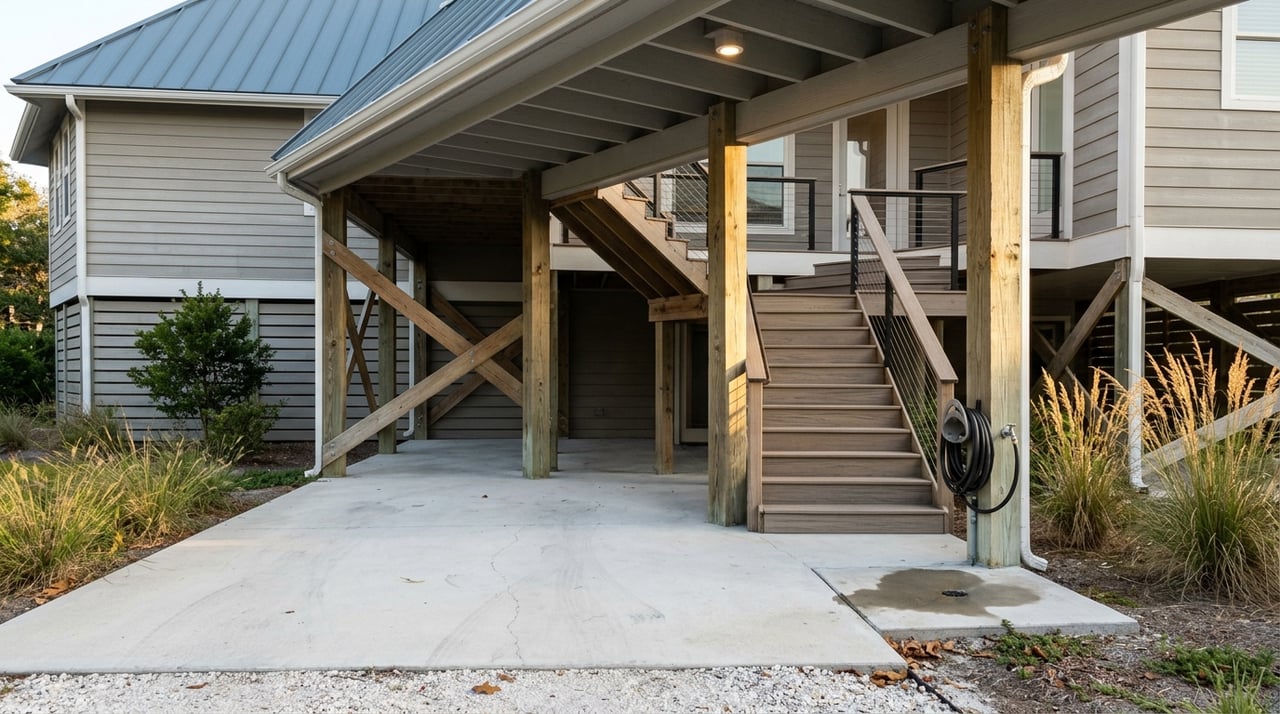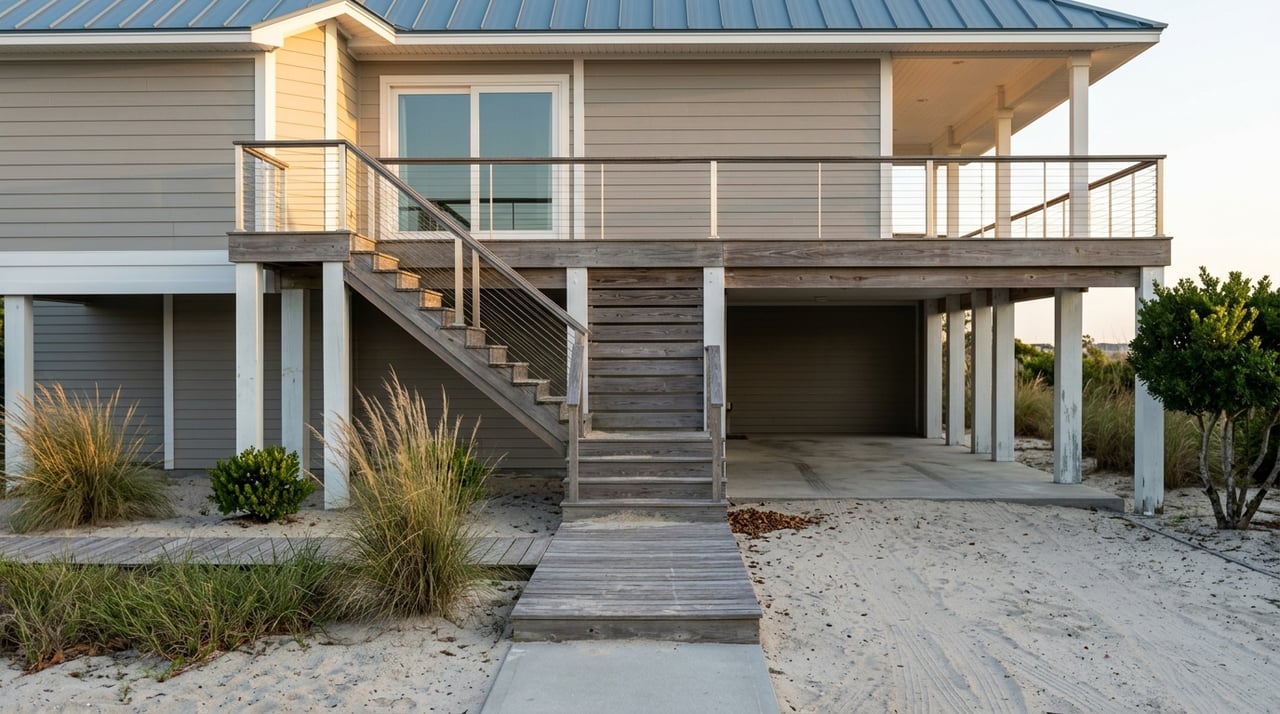
If you are dreaming about elbow room, freshwater access, or a quieter pace than the beach communities, Wewahitchka may be exactly what you have in mind. This part of Gulf County draws buyers who want land, cabins, country homes, and room to build or hold for the future. The key is knowing that rural property can come with extra questions about utilities, access, flood conditions, and permits. Let’s dive in.
Why Wewahitchka appeals to land buyers
Wewahitchka has a different feel from Gulf County’s beachfront markets. The city is closely tied to the Dead Lakes, Tupelo Honey, and the freshwater recreation that connects to the Apalachicola and Chipola River system. For many buyers, that means the appeal is not a beach house lifestyle, but space, privacy, fishing, boating, and a more rural setting.
That difference matters when you shop for property. Around Wewahitchka, you are more likely to see parcels with acreage, homes on wells and septic, and waterfront cottages or cabins near rivers, creeks, or the Dead Lakes area. You may also come across agricultural or timber tracts that buyers hold for recreation, farming use, or long-term appreciation.
What you may find on the market
Vacant land and acreage parcels
A large share of available property around Wewahitchka is vacant land. Some parcels are small enough for a single home site, while others offer multiple acres for privacy, recreation, or future plans. That variety can be a big plus if you want flexibility.
Still, size alone does not tell the whole story. Gulf County’s comprehensive plan ties development to land-use category and available infrastructure, and the county states that building permits and development orders are issued only when adequate public facilities are available. In plain terms, a large parcel may still have limits on how it can be built on or divided later.
Country homes on rural systems
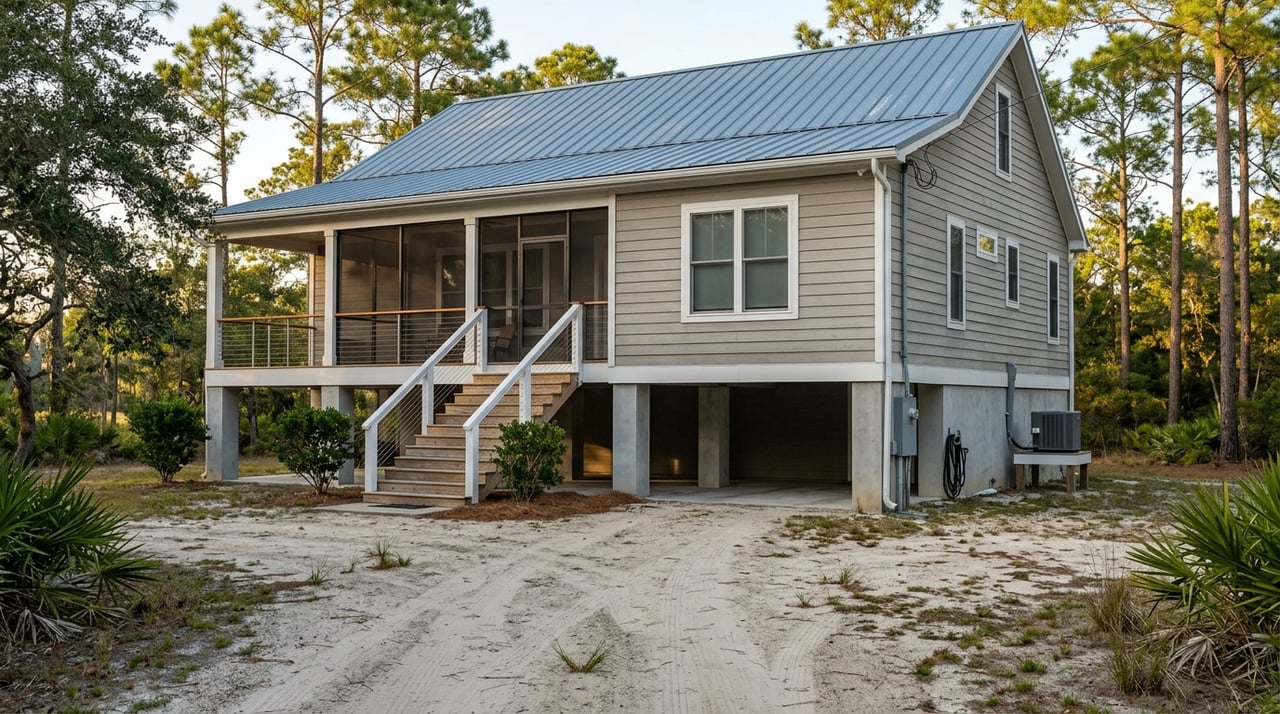
You will also see single-family homes in rural settings that rely on private wells and septic systems. These homes can offer the space and quiet many buyers want, but they usually need a closer look than a home on city utilities. Two homes that seem similar in a listing can have very different utility setups and maintenance needs.
That is especially important if you are moving from a more urban or suburban market. A private system is common here, but it should be reviewed carefully before you close.
Waterfront cabins and cottages
In and around the Dead Lakes area, buyers may find cabins, cottages, or modest homes near freshwater. These properties can be attractive if you want direct access to fishing, boating, or a simple weekend retreat. They may also come with added due diligence tied to flood zones, wetlands, and shoreline conditions.
Waterfront can be a major lifestyle benefit, but it often requires a more detailed review of the site itself. That is one reason local guidance matters in this market.
Utilities can change everything
Water service is parcel-specific
Utilities are often the biggest surprise for buyers looking at rural property. Gulf County’s water-supply GIS separates the Wewahitchka Water Supply Service Area from parcels served by individual wells, so neighboring properties may not have the same options. You should never assume a nearby water line means easy or low-cost connection.
The county water department says connection estimates depend on the size of the service, the service type, the location of the water main, and the nature of the service area. It also states that an on-site visit is required before a cost estimate is given. For buyers, that means utility planning should start early, not after the contract is signed.
Septic systems need real inspection
If a home is on septic, make that system part of your due diligence. Florida Health’s homebuyer guidance says buyers should request a septic inspection and assessment, including the tank, drainfield, and any pumps or alarms. This is one of the most important checks for country homes in the area.
There is also a recent local process change to know. In Gulf County, septic permitting moved to the Florida Department of Environmental Protection on January 2, 2025. If you plan to replace, repair, or add to a system, it helps to confirm the current process before you move forward.
Private wells require licensed work
If the property uses a private well, ask questions about age, condition, location, and any recent service records. The Florida Department of Environmental Protection states that Florida regulates water-well contracting, permitting, and construction, and that the contractor must be licensed. That matters if you are evaluating an existing well or planning one for new construction.
A well is not just another line item. It is a core part of whether the property will function the way you expect.
Building on land takes more than acreage
Start with the address and permit path
If you plan to build on raw land, the path to construction starts earlier than many buyers expect. Gulf County uses an E-911 house-number form as part of obtaining an official address, and the completed form goes to the Building Department to start the permitting process. That is a practical first step if your end goal is a home site.
The county’s Building Department handles plan review, permits, inspections, and code enforcement. It also notes that Gulf County has adopted the Florida Building Code 2023 eighth edition. Knowing this process upfront can help you set realistic timelines.
Access is not automatic
One common mistake is assuming that if you can see a path or driveway, the access issue is settled. Gulf County requires a road culvert evaluation and permit for all roads except Florida DOT rights-of-way. So even if a crossing looks usable, it may still need review tied to that specific parcel.
The county form asks for the construction address and parcel ID, which shows how closely access and permitting are connected. If you are buying land to build on, access should be verified early.
Flood and environmental review matter here
Check flood status before you commit
Wewahitchka’s freshwater setting is part of its appeal, but it also means flood review should be high on your list. FEMA identifies the Flood Insurance Rate Map as the official community map, and its map tools can show flood zone, base flood elevation, and floodway status for a location. Those details can affect both building plans and ownership costs.
Gulf County’s flood-protection office can also provide one-on-one advice on flooding, drainage, and sewer issues, and it can do site visits on request. For buyers comparing multiple parcels, that local input can be very useful.
Waterfront and low-lying land may need extra review
Riverfront, creekfront, and low-lying parcels often need more careful evaluation. The Florida Department of Environmental Protection’s Environmental Resource Permit program regulates activities in, on, or over wetlands and surface waters, including runoff and dredge or fill impacts. Gulf County’s comprehensive plan also treats wetlands as protected resources and applies buffers in its land-use rules.
That does not mean waterfront land is off limits. It means the parcel may require extra environmental review before you build, clear, or improve it.
Inland deals differ from beach deals
Another useful point for buyers is that inland Wewahitchka purchases are not the same as beachfront transactions elsewhere in Gulf County. Beach-area properties may run into coastal construction control line rules along Florida’s sandy beaches. Around Wewahitchka, the issues are more often tied to wells, septic, access, wetlands, flood conditions, and site-specific infrastructure.
That inland contrast is one reason some buyers prefer this market. The lifestyle and due diligence process simply look different.
A smart due diligence checklist
Before you close on land or a country home around Wewahitchka, it helps to confirm the basics in a clear order.
- Review the legal parcel in Gulf County Clerk official records for deeds, liens, mortgages, plats, and tax deeds.
- Compare those records with the parcel map and Property Appraiser boundary maps.
- Verify water service or well requirements for that specific parcel.
- If the home is on septic, order a septic inspection and assessment.
- Ask about road access, driveway crossings, and culvert permit needs.
- Check flood-zone, base flood elevation, and floodway status.
- For waterfront or low land, ask whether wetlands or buffer rules may affect building.
- If the land has farm, timber, or recreational use, confirm whether any agricultural classification is actually supported by current use.
This checklist can save you from buying a property that looks right in photos but does not fit your real plans.
Agricultural classification needs verification
If you are considering a farm, timber, or recreation tract, be careful with tax assumptions. Gulf County’s agricultural classification rules cover uses such as pasture, hay, row crops, timber, nurseries, and miscellaneous agriculture, but classification is decided case by case. The Property Appraiser also says a home site on the parcel is not eligible.
Just as important, buyers should not assume a current tax treatment will automatically transfer. The Property Appraiser states that no approval should be promised before final analysis, and renewal paperwork is due each year by March 1. If ag status is part of your financial plan, confirm it directly.
How local guidance helps you buy with confidence
In a market like Wewahitchka, the biggest risks are often hidden. A parcel can look perfect online but still have utility costs, flood concerns, access questions, or permit limits that change the value of the deal. That is why local coordination matters.
A hands-on local agent can help you interpret listing language and line up the right next steps, from septic inspections and well questions to survey review, flood checks, access questions, and building-permit timing. For out-of-area buyers especially, having someone local to help connect the dots can make the process much smoother.
If you are thinking about buying land or a country home around Wewahitchka, the goal is simple: make sure the property fits how you want to use it, not just how it looks on paper. When you want practical local guidance on Gulf County land, rural homes, and waterfront opportunities, connect with Eli Duarte.
FAQs
What kinds of properties can you buy around Wewahitchka?
- Buyers commonly find vacant land, acreage parcels, rural single-family homes on wells and septic, waterfront cabins or cottages, and agricultural or timber tracts.
What should you verify before buying land in Wewahitchka?
- You should verify legal records, parcel boundaries, water service or well setup, septic needs, road access, culvert requirements, flood status, and any wetlands or land-use limits that may affect building.
Do all Wewahitchka properties have county water service?
- No. Gulf County separates the Wewahitchka Water Supply Service Area from parcels served by individual wells, so utility setup can vary from one property to the next.
Why is septic inspection important for Wewahitchka country homes?
- Many rural homes use septic systems, and Florida Health says buyers should request an inspection and assessment of the tank, drainfield, and any pumps or alarms.
Can you assume a large acreage parcel is easy to build on in Gulf County?
- No. Gulf County ties development to land-use category and available infrastructure, so a large parcel may still have limits on building or future division.
What should you know about agricultural classification on Gulf County land?
- Agricultural classification is decided case by case, a home site on the parcel is not eligible, and buyers should not assume current tax treatment will transfer automatically.