If you are starting a home search in Port St. Joe, one question matters more than almost anything else: what kind of daily life do you want? This city is not best understood by chasing a long list of subdivisions. Instead, buyers usually compare a handful of distinct in-town and nearby coastal areas based on walkability, access to the water, parks, and overall feel. In this guide, you’ll get a practical look at the Port St. Joe neighborhoods buyers should know so you can narrow your search with more confidence. Let’s dive in.
Port St. Joe feels like lifestyle zones
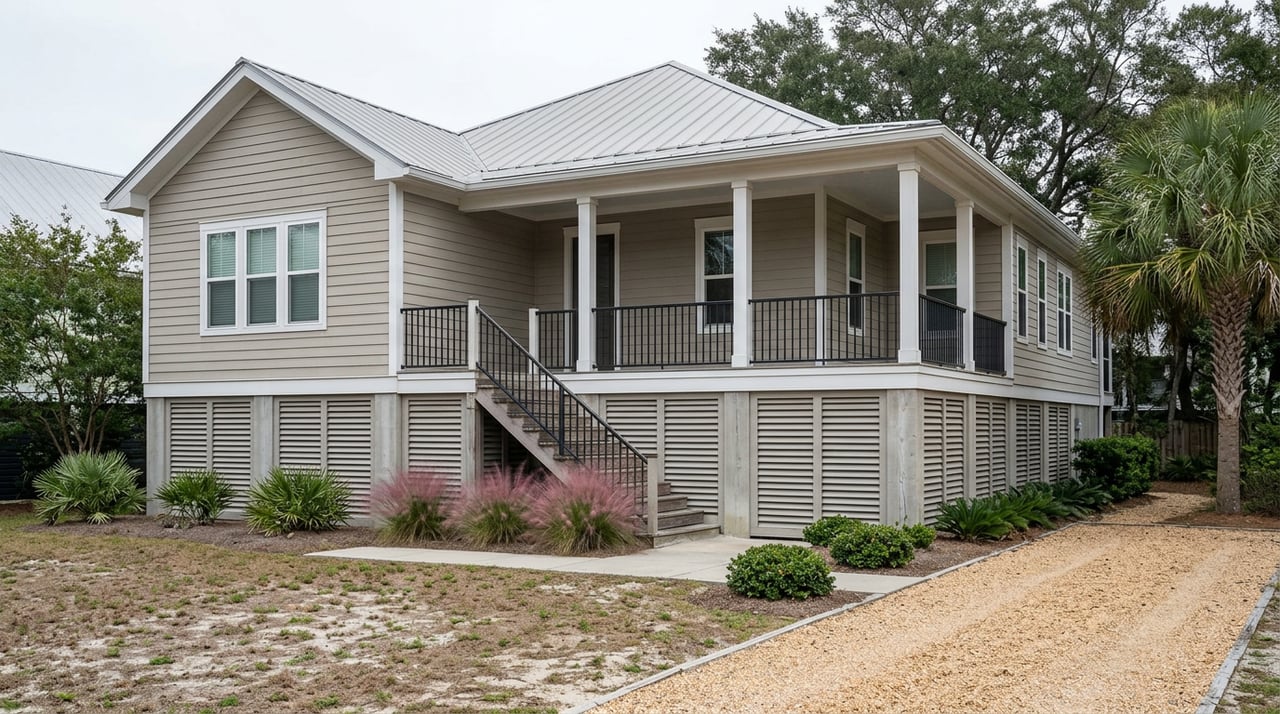
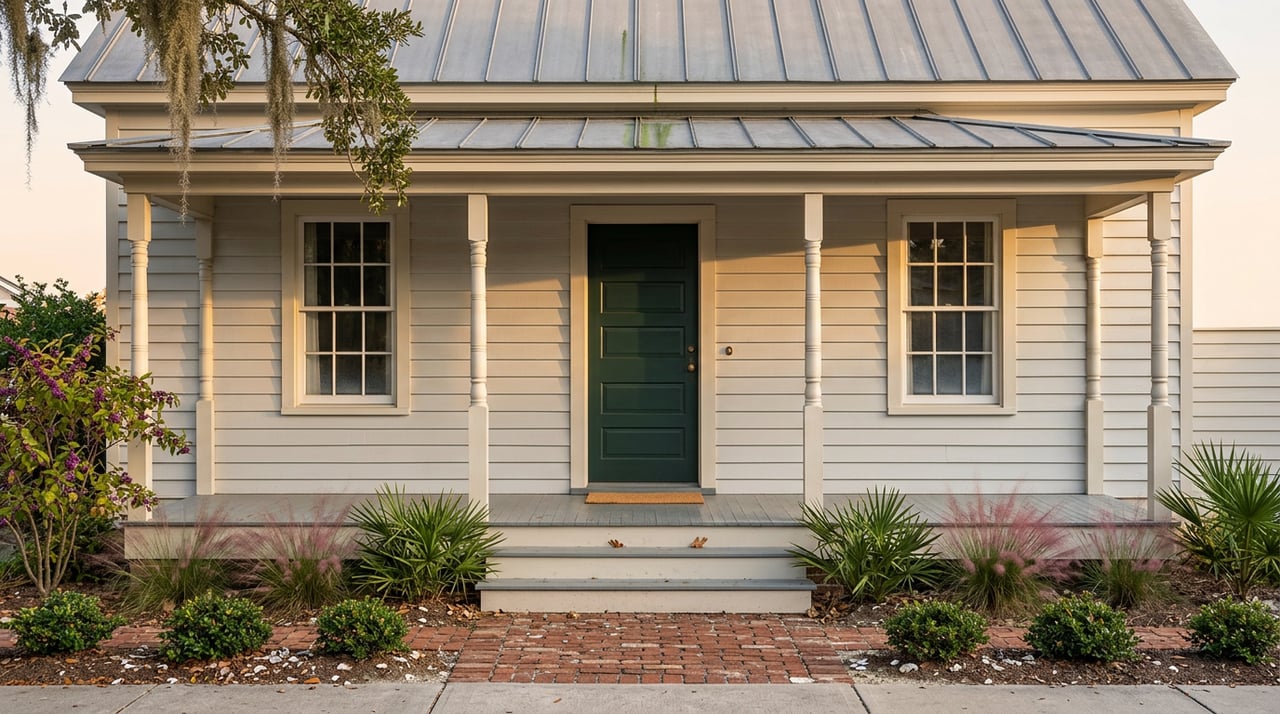
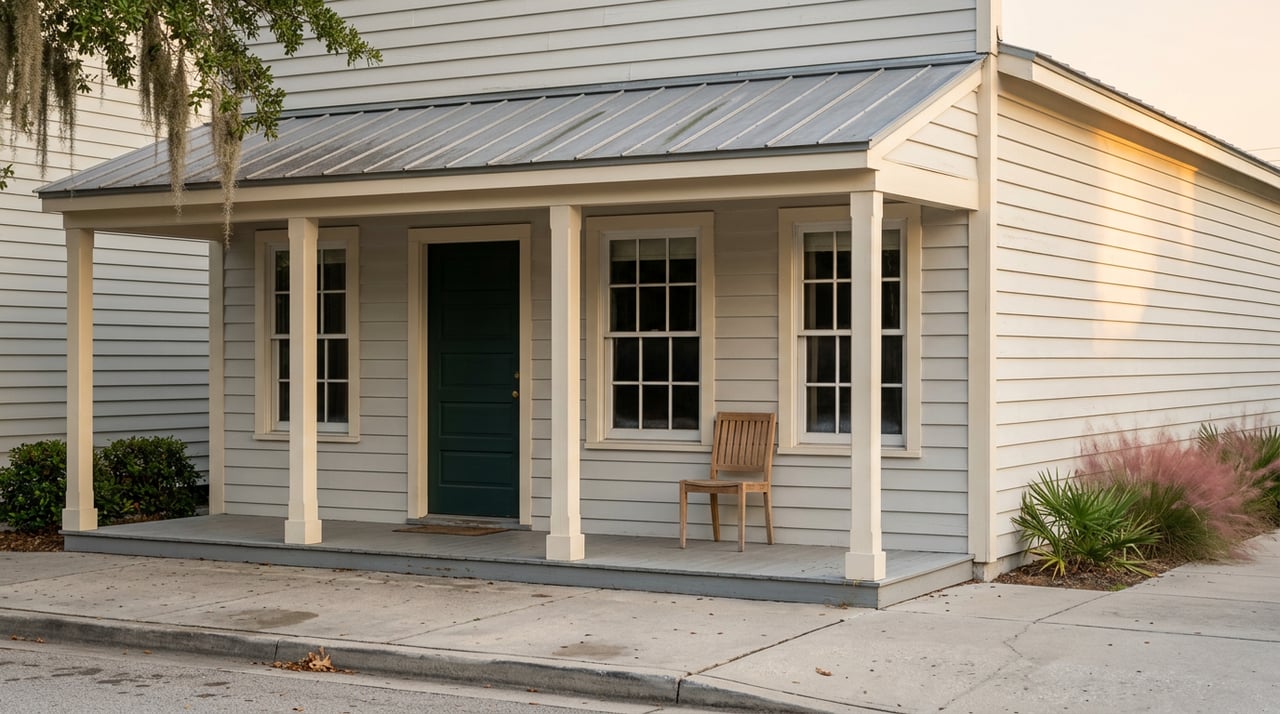
Port St. Joe is often easier to understand as a set of lifestyle zones rather than a map full of large master-planned neighborhoods. City planning documents describe the core as a pedestrian-friendly grid, with many homes in Florida Vernacular and Craftsman styles and most buildings standing one to two stories tall.
That layout shapes how different parts of town feel from one block to the next. The area north of Avenue A is mainly single-family residential, while the area south of 1st Street and west of US 98 functions as the downtown district with small retail establishments and restaurants.
For buyers, that means your search is often less about subdivision names and more about how you want to live day to day. Some areas put you closer to shops and the bay, while others give you a more residential setting near parks and trails.
Downtown Port St. Joe
Reid Avenue and nearby blocks
If walkability is high on your list, downtown Port St. Joe is usually one of the first places to explore. Reid Avenue is described by local tourism materials as the historic shopping district, with the Welcome Center nearby, the bayfront close by, and the marina within the same general core.
This part of town tends to appeal to buyers who want an older-town feel and shorter drives for everyday errands or outings. You may also like it if being close to public gathering spaces matters more to you than having a larger lot or a more tucked-away residential setting.
Because downtown sits just one block off Highway 98, it can offer convenient access to the rest of town too. If you picture yourself walking to local spots, visiting the waterfront often, or enjoying a central location, this is a natural area to compare first.
North Port St. Joe
In-town residential streets
North Port St. Joe gives buyers a different rhythm than the downtown core. It is a distinct residential pocket on the north end of town, near the approach to the George G. Tapper Bridge over the Gulf County Canal.
City planning documents describe the area north of Avenue A as primarily single-family residential. That makes it a strong starting point if you prefer neighborhood streets and a more everyday residential pattern over a more visitor-oriented or waterfront-centered setting.
For some buyers, this area feels more grounded in daily living than destination living. If your goal is to stay in town while focusing on residential streets first, North Port St. Joe deserves a close look.
Forest Park and Buck Griffin Lake
Inland living near recreation
If you want an inland option with easy access to outdoor amenities, Forest Park stands out. This area is connected by the Port City Trail, which runs through Forest Park and links the sports park, par-3 golf course, Forest Park South, Buck Griffin Lake, Lamar Faison Park, and Constitution Park.
Tom Dooder Parker Park also connects to Buck Griffin Lake by pedestrian bridge. That trail and park network makes this area especially useful for buyers who want a more residential setting without giving up access to walking paths, recreation, and community park space.
Forest Park can be a smart comparison if you like Port St. Joe but do not need to be right near the bayfront. It offers a different kind of convenience, one built around trails and everyday outdoor use rather than shoreline access.
Bayfront Port St. Joe
Parks, marina access, and waterfront lifestyle
For buyers drawn to the water, the bayfront core is one of the clearest lifestyle zones in Port St. Joe. Along St. Joseph Bay, the city says the Bay Walk Trail runs from the Frank Pate Park boat ramp through Maddox Park and George Core Park, past the marina yacht basin, and ends at Jetty Park.
The city also notes that the Bay Walk connects four bayfront parks: Frank Pate, Maddox, George Core, and Clifford Sims. George Core Park includes the Cape San Blas Lighthouse, a small lake, an event stage, shaded picnic space, and shallow bay water. Clifford Sims Park adds fishing piers, bulkhead access, and sunset viewing.
If boating, fishing, public shoreline access, and bay sunsets are part of your ideal routine, this is the area to study closely. Buyers who want the waterfront lifestyle first often compare these bayfront pockets before looking at more inland residential streets.
Marina Drive and East 1st Street
A transition zone worth watching
Some parts of Port St. Joe do not fit neatly into a single neighborhood label. Marina Drive, East 1st Street, and Baltzell Avenue are treated in the city’s master plan as a separate corridor because they bridge downtown streets and the waterfront edge.
For buyers, this area can feel like a transition zone rather than a stand-alone subdivision. That can be helpful if you want to stay connected to both the downtown grid and the waterfront side of town.
When touring, pay attention to how each block feels here. In a place like Port St. Joe, a short distance can change the setting quite a bit.
Nearby beach areas buyers compare
St. Joe Beach and WindMark Beach
St. Joe Beach and WindMark Beach are not the same as in-town Port St. Joe neighborhoods, but many buyers include them in the same search. Gulf County tourism materials describe this area as about 10 minutes from Port St. Joe and often refer to it as The Beaches.
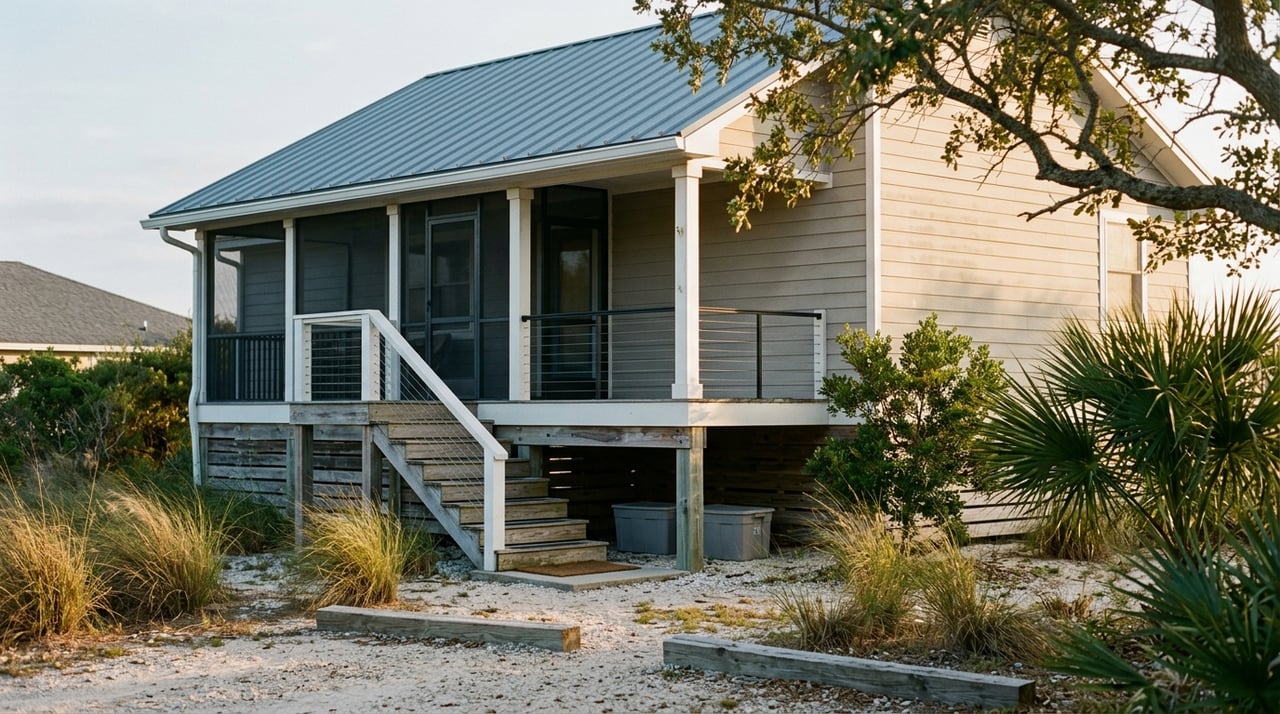
These nearby coastal areas are known for beach access, west-facing sunsets, vacation homes, and pet-friendly beaches. WindMark Beach also has nearly four miles of paved walking and biking trails along the water.
This comparison can be especially useful if you are deciding between an in-town lifestyle and a beach-community setting. You may find that your preference comes down to whether you want to be closer to downtown and the marina or closer to beach access and long waterfront trail systems.
How to compare neighborhoods smartly
Use maps before you tour
In a coastal market, two homes can feel similar during a quick drive but differ in important ways. Gulf County’s GIS map can help you compare city limits, parcels, flood zones, evacuation zones, evacuation routes, and other reference layers before you visit properties.
That kind of prep work can make your tours more productive. It can also help you ask better questions as you compare one block to another.
Tour Port St. Joe in a loop
A same-day neighborhood tour in Port St. Joe usually works best as a loop instead of one long drive. A practical route is to start downtown at the Welcome Center, walk Reid Avenue and nearby blocks, follow the Bay Walk to the marina and bayfront parks, and then finish with a drive through North Port St. Joe and the Forest Park area.
This route works well because the Bay Walk and Port City Trail are linked by a short sidewalk connector. The city describes the Port City Trail as nearly four miles long, with public amenities along the way.
Ask three simple questions
A simple framework can make your search a lot easier. As you compare areas, ask yourself:
- How walkable does it feel?
- How close is it to water or parks?
- Does the street pattern match your preferred pace of life?
In Port St. Joe, those questions often separate downtown, the bayfront parks, north-end residential streets, and inland Forest Park more clearly than price alone.
Utilities and city limits matter
If you are comparing in-town Port St. Joe with nearby beach pockets, do not assume that close to town means inside the city limits. City utilities extend water and wastewater service to St. Joe Beach, WindMark Beach, and Highland View, which can become an important factor when you compare locations.
That is one more reason to look carefully at maps and actual drive times. A home may feel connected to Port St. Joe in daily life even if it sits outside the city itself.
Which Port St. Joe area fits you best?
For many buyers, the easiest summary looks like this: downtown for walkability, the bayfront core for boating and sunsets, North Port St. Joe for in-town single-family streets, Forest Park for inland recreation, and St. Joe Beach or WindMark Beach for nearby beach-community comparisons.
The right fit depends on what you want your routine to look like after closing. If you start with lifestyle first, your home search usually becomes much clearer.
When you are ready to compare neighborhoods, tour homes, or narrow down the best fit for your goals, Eli Duarte offers practical local guidance backed by years of experience across Port St. Joe and the Forgotten Coast.
FAQs
What is the most walkable area in Port St. Joe for homebuyers?
- Downtown Port St. Joe, especially around Reid Avenue, is generally the most walkable area and is close to the bayfront, marina, and public gathering spaces.
What part of Port St. Joe is mainly single-family residential?
- City planning documents describe the area north of Avenue A as primarily single-family residential, which makes North Port St. Joe an important area for buyers to consider.
What Port St. Joe area is best to compare for bay access?
- The bayfront core along St. Joseph Bay, including Frank Pate, Maddox, George Core, and Clifford Sims parks, is the clearest area to compare if bay access, boating, fishing, and sunsets are priorities.
What is Forest Park like for Port St. Joe buyers?
- Forest Park is an inland, recreation-focused area connected by the Port City Trail to parks, Buck Griffin Lake, a sports park, and other community amenities.
Are St. Joe Beach and WindMark Beach part of Port St. Joe?
- They are nearby coastal communities often included in a Port St. Joe home search, but they are not the same as in-town Port St. Joe neighborhoods.
What should buyers check before touring Port St. Joe neighborhoods?
- Buyers should review Gulf County GIS tools for parcel lines, flood zones, evacuation zones, routes, and city-limit details before touring homes and neighborhoods.