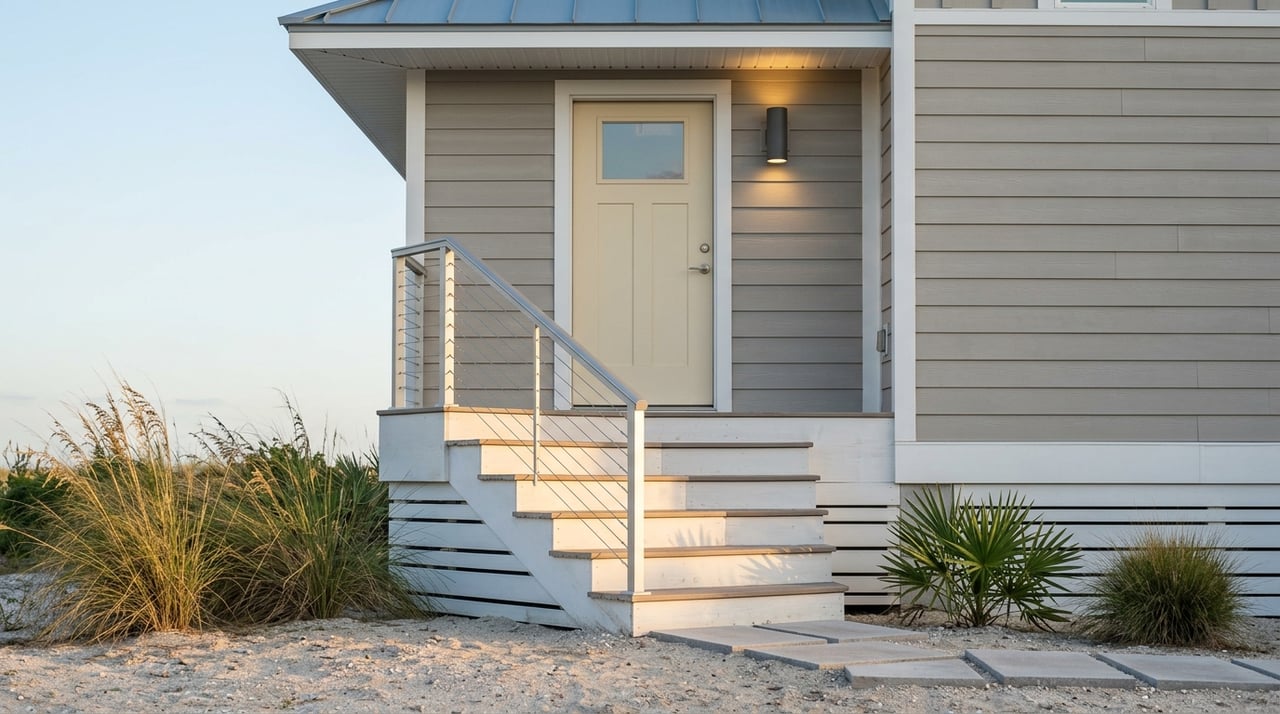
Is your Port St. Joe home truly ready to hit the market, or just clean enough for company? In a coastal market where buyers notice condition, maintenance, and paperwork fast, small details can shape how your home is viewed from day one. If you want to make a strong first impression and avoid preventable delays, a smart pre-listing plan can help. Let’s dive in.
Why prep matters in Port St. Joe
Port St. Joe is not a market where you want to wing it. With a median listing price of $499,000 and a median of 67 days on market through April 2026, sellers often benefit from thoughtful presentation and a complete document file before the home goes live.
This is also a coastal market with its own priorities. Buyers are often paying close attention to upkeep, storm readiness, flood-related details, and whether a property feels easy to maintain. That makes listing prep about more than style alone.
Focus on clean, maintained, and simple
In many parts of Port St. Joe, housing stock includes older single-story homes on smaller lots, especially in areas developed heavily in the 1950s and 1960s. That means buyers may look closely at exterior condition, lot presentation, and signs that the home has been cared for over time.
Your goal is not to make the home look brand new. Your goal is to make it feel well-kept, functional, and move-in ready. In this market, minor cosmetic updates often make more sense than major renovations.
Start with the outside
Before buyers walk through the front door, they are already forming an opinion. In Port St. Joe, exterior presentation should reflect both curb appeal and coastal maintenance.
A few practical updates can go a long way:
- Pressure wash siding, porches, driveways, and walkways
- Touch up peeling or faded paint
- Clean and repair screens, doors, trim, and exterior fixtures
- Tidy up landscaping and remove yard clutter
- Make decks, boardwalks, and stairs look safe and cared for
- Check that drainage around the home is working properly
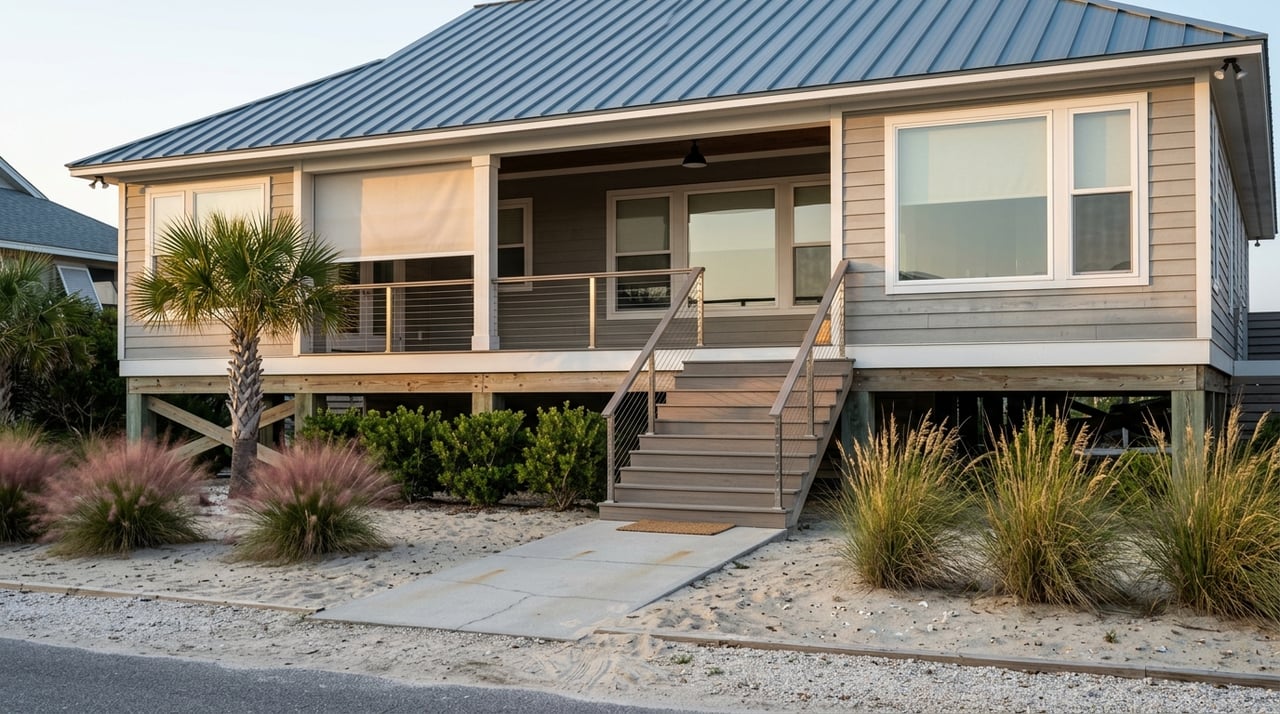
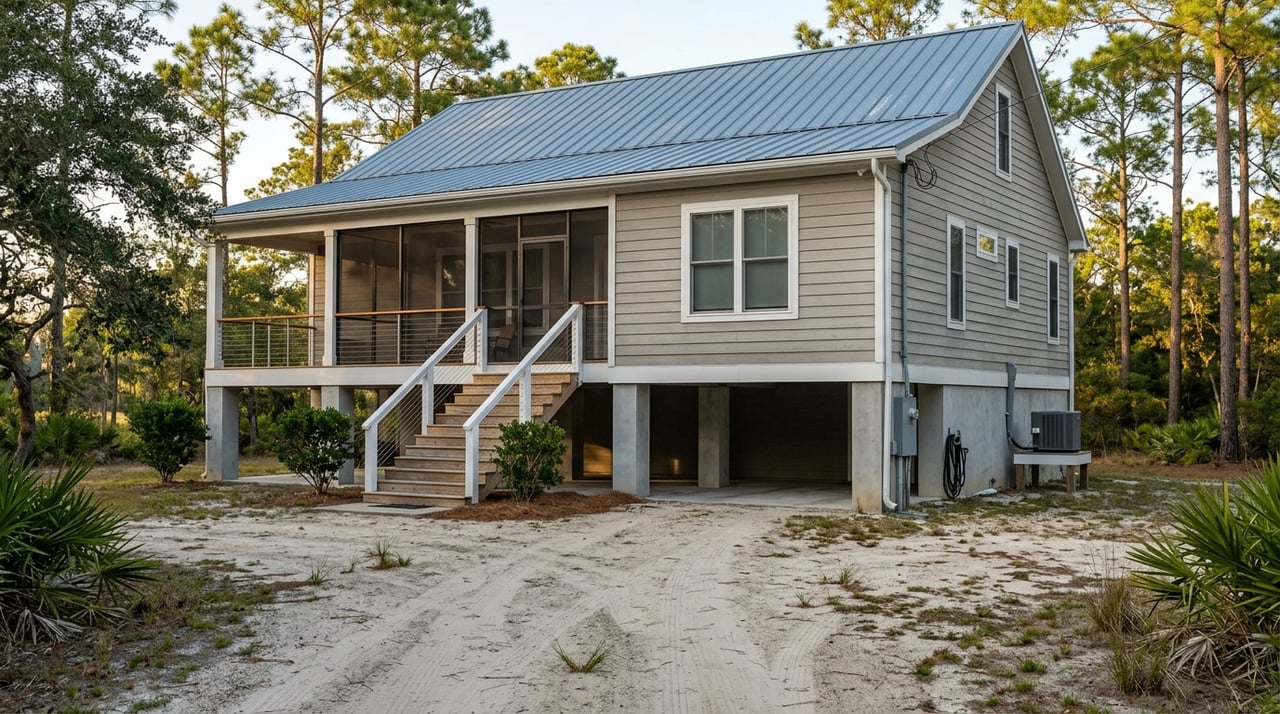
Because this is a coastal area, exterior wear stands out quickly. If your home has storm-related features like shutters, impact windows, elevated foundations, or other resilience upgrades, make sure they are clean, visible, and easy to highlight in photos.
Freshen the inside
Inside the home, buyers often respond best to spaces that feel bright, dry, and easy to live in. That matters even more near the coast, where buyers may be alert to signs of moisture or deferred maintenance.
Focus on practical improvements such as:
- Deep cleaning every room
- Decluttering surfaces, closets, and storage areas
- Using neutral paint where needed
- Improving lighting in darker spaces
- Repairing worn caulk or grout
- Cleaning HVAC registers and vents
- Removing mildew odors or musty smells
You do not need a full remodel to make a strong impression. Clean, simple, and well-maintained usually does more for buyer confidence than expensive upgrades.
Handle small repairs before listing
Minor issues can create bigger doubts during showings. A sticky door, torn screen, dripping faucet, or loose trim piece may seem small to you, but buyers often read those signs as clues about overall maintenance.
Try to fix the easy items before your home is photographed or shown. These smaller repairs can help your property feel cared for and reduce the chance that buyers mentally add up a long to-do list.
Skip major renovations unless needed
In the current Port St. Joe market, minor cosmetic work tends to offer a better return than large-scale remodels. Since property value is based on the home’s current condition and comparable sales, it usually makes sense to improve what buyers can clearly see and appreciate right away.
If you are unsure where to spend money, start with the basics. Cleaning, paint, landscaping, and visible maintenance often do more for marketability than a major project that may not fully pay you back.
Gather your documents early
A well-prepared home is only half the job. In Port St. Joe, a strong seller file can make the transaction smoother and help answer buyer questions quickly.
Before listing, gather as much of your property paperwork as possible. This is especially important for coastal homes, older homes, and properties with additions or system upgrades.
Key records to collect
A strong pre-listing packet may include:
- Deed or title information
- Recent survey
- Permit history
- Final inspection records
- Roof, window, deck, or addition records
- Warranties and repair receipts
- Latest tax bill or exemption information
- HOA or condo documents, if applicable
- Septic records, if applicable
- Flood and elevation paperwork
Having these items ready can help reduce back-and-forth once a buyer is interested. It also shows that you are organized and serious about the sale.
Don’t overlook permits and inspections
Gulf County handles plan reviews, permits, inspections, and code enforcement under the Florida Building Code 2023 eighth edition. If you have completed additions, roof work, window replacements, decks, or major repairs, buyers may want to see permits and final approvals.
If your property has a septic system, keep septic permits and maintenance records together as well. These records can be especially useful when questions come up during due diligence.
Manufactured or mobile home details matter
If your property includes a manufactured or mobile home, be ready for questions about classification. In Gulf County, treatment can differ depending on whether the home and land are owned together and whether the property carries an RP or MH decal.
That can matter to buyers and lenders. Before listing, make sure you understand whether the home is treated as real property or personal property and whether the land is included in the sale.
Prepare flood-related paperwork
Flood documentation is especially important in Port St. Joe. Buyers may ask about flood zones, past flooding, mitigation work, evacuation context, and insurance-related records.
Florida law also requires a flood disclosure for residential real property at or before contract execution. The law reminds buyers that homeowners insurance does not cover flood damage, so it is smart to prepare for that conversation early.
Helpful flood records to have ready
Try to assemble any available:
- Elevation certificate
- Flood insurance declarations
- LOMA or LOMR documents
- Records of past flooding
- Documentation of mitigation work
- Information tied to drainage or water entry improvements
If your home has features that support resilience, such as elevation, drainage improvements, shutters, or impact-rated upgrades, clear records can help support your home’s presentation.
Know if coastal disclosures apply
Some Port St. Joe properties may need more than standard seller paperwork. For residential property that is partially or totally seaward of the coastal construction control line, Florida requires a coastal properties disclosure statement.
Unless waived, an affidavit or survey showing the coastal construction control line location must also be provided at or before closing. If your property may fall into this category, sorting it out early can help you avoid last-minute stress.
Florida also requires a property tax disclosure summary because taxes may change after a sale or improvement. That is another reason to have your records organized from the start.
Show coastal features the right way
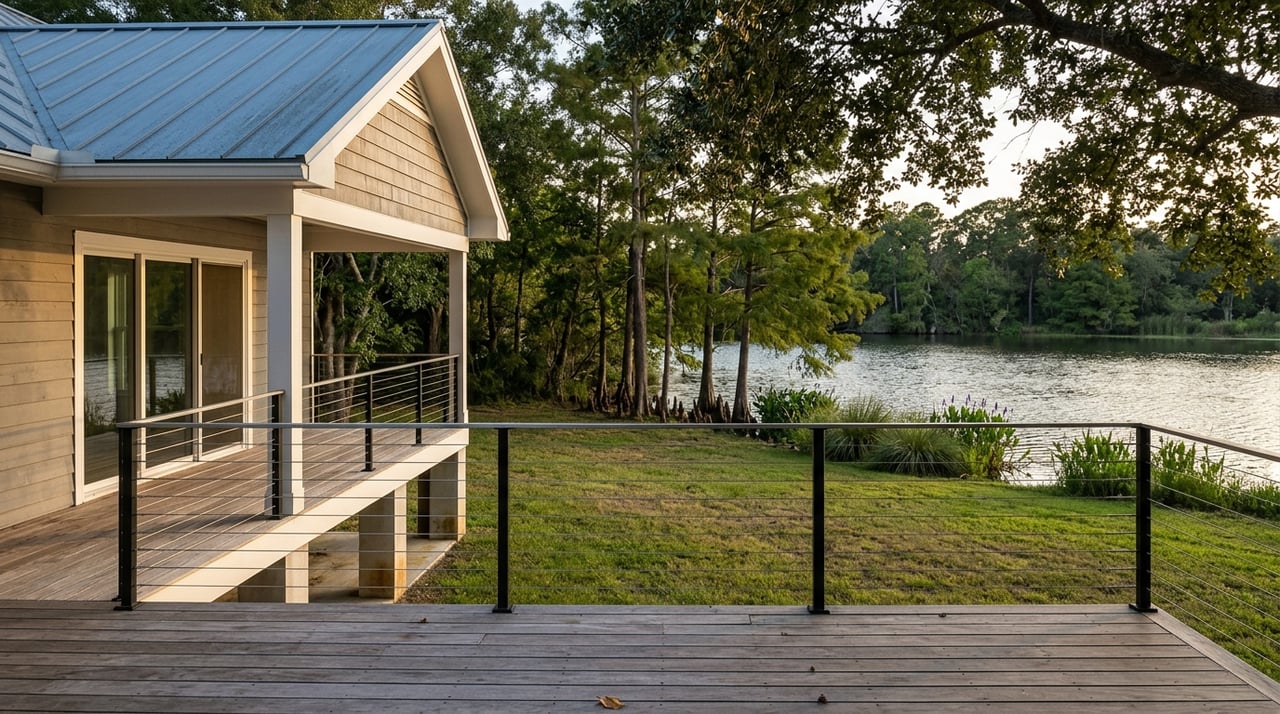
Coastal buyers are often drawn to decks, porches, boardwalks, bay views, outdoor storage, and easy access to water-focused living. Those features can absolutely strengthen your listing, but they work best when the home first feels solid, maintained, and well documented.
Lead with condition and clarity. Then let the lifestyle features support the story.
What buyers want to feel
When buyers tour your home, they often want to feel that:
- The property has been cared for
- The home feels clean and dry
- Outdoor spaces are usable and maintained
- Coastal wear has been addressed
- The paperwork side of the transaction will be manageable
That feeling can increase confidence, and confidence can lead to stronger interest.
A simple pre-listing plan
If you want to keep things manageable, follow this order:
- Deep clean and declutter
- Tackle minor repairs
- Freshen paint, lighting, and finishes
- Clean up the yard and exterior surfaces
- Highlight resilience and maintenance features
- Gather permits, surveys, and disclosure-related records
- Organize flood, septic, tax, and warranty documents
This kind of step-by-step approach can help you avoid overwhelm. It also makes it easier to present your home clearly once it goes on the market.
Work with a local strategy
Every Port St. Joe property has its own mix of location, condition, age, and coastal considerations. A downtown-area home, a waterfront property, a condo, a vacant lot, or an older home in a residential neighborhood may each call for a slightly different prep strategy.
That is where local guidance can make a real difference. When you know what buyers in this market are likely to notice, question, and value, you can prepare with more confidence and fewer surprises.
If you are thinking about selling, the Duarte Team can help you look at your home through a buyer’s eyes, prioritize the updates that matter most, and get your paperwork lined up before listing. For a free home valuation or local market guidance, connect with Eli Duarte.
FAQs
What should I fix before listing a home in Port St. Joe?
- Focus first on visible, low-cost items like cleaning, paint touch-ups, pressure washing, decluttering, landscaping, and small repairs to doors, trim, screens, and fixtures.
What documents do Port St. Joe sellers need before listing?
- It helps to gather your deed or title information, survey, permit history, final inspections, repair receipts, warranties, tax records, and any flood, septic, HOA, or condo documents that apply to the property.
Do sellers in Port St. Joe need flood paperwork?
- Yes, flood-related paperwork can be very important in this market, including any elevation certificate, flood insurance declarations, mitigation records, and other documents tied to flood history or risk.
Are major renovations worth it before selling in Port St. Joe?
- Usually, minor cosmetic improvements and visible maintenance make more sense than large renovations, especially when buyers are focused on condition, cleanliness, and ease of maintenance.
What if my Port St. Joe property is a manufactured or mobile home?
- Be ready to clarify whether the home is treated as real property or personal property, whether the land is included, and how the property is classified in Gulf County.
Do coastal construction control line rules affect Port St. Joe sellers?
- They can for some properties, since Florida requires a coastal properties disclosure statement and, unless waived, an affidavit or survey showing the coastal construction control line location for qualifying coastal property.