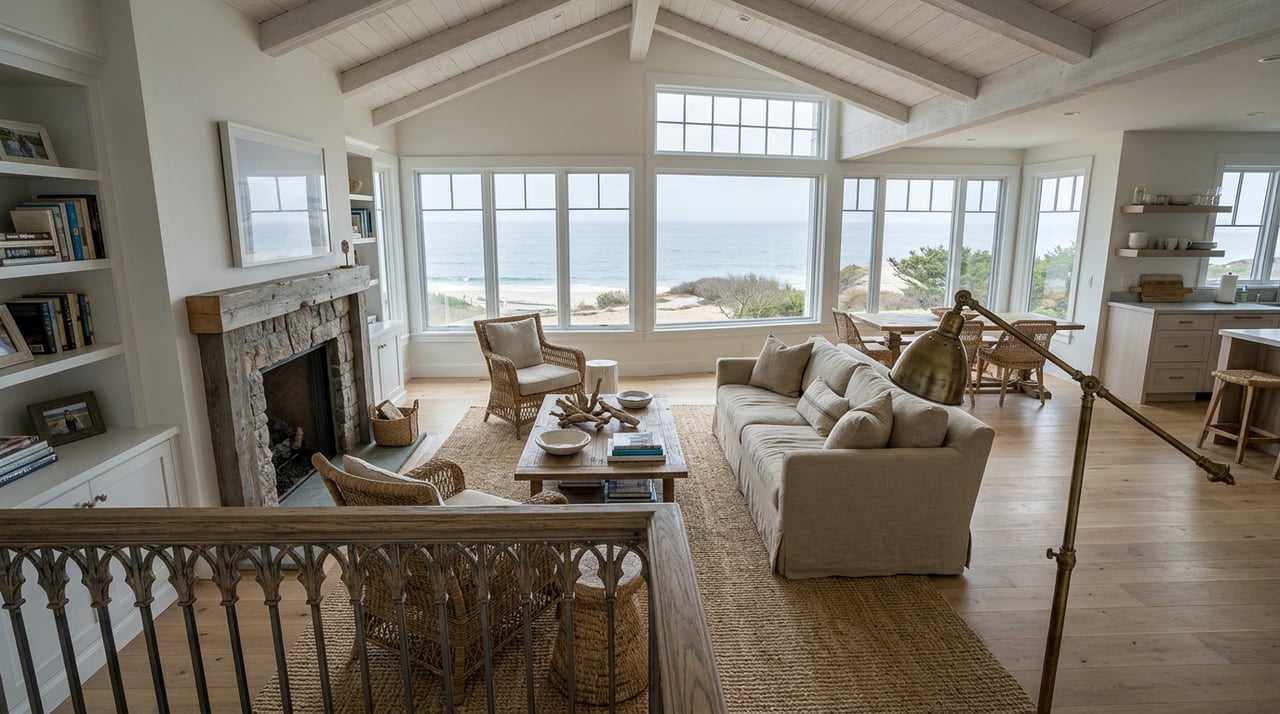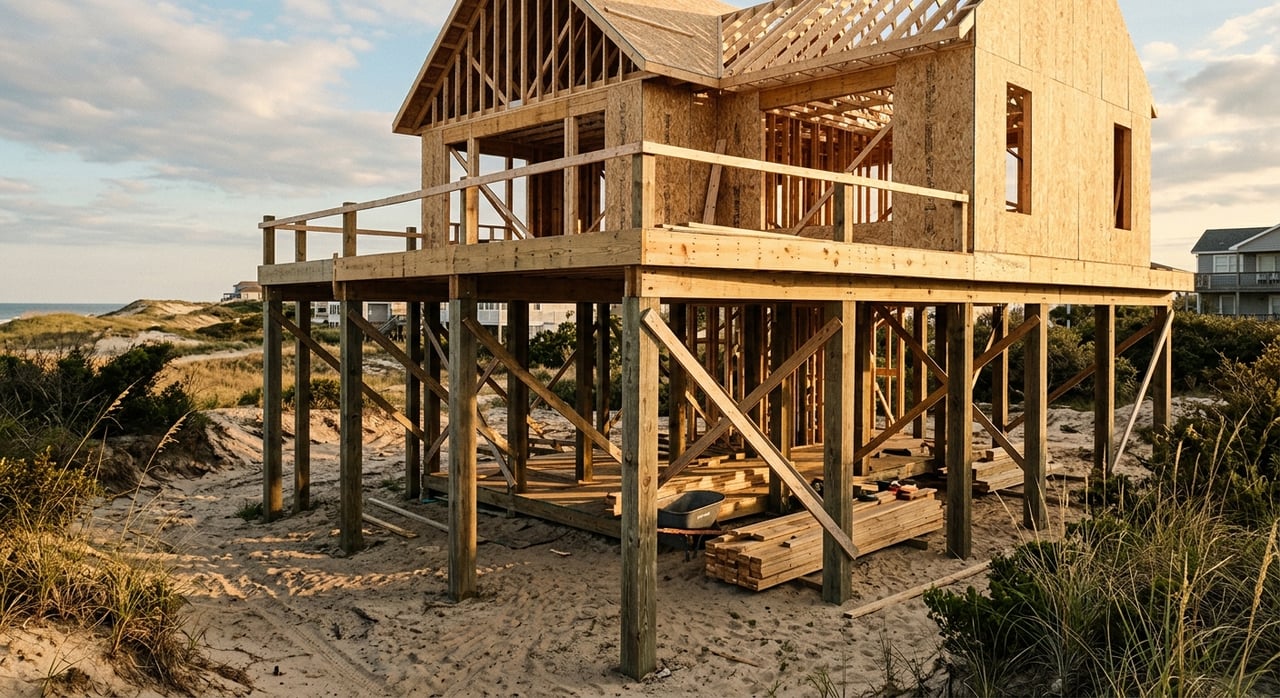
Building a home in Mexico Beach can be exciting, but coastal lots come with more moving parts than many buyers expect. If you are planning a new build here, you need more than a pretty floor plan and a builder’s estimate. You need to know what the lot allows, what the city requires, and how flood and coastal rules may shape the design from day one. Let’s dive in.
Start With Zoning First
Before you price plans or compare builders, confirm the lot’s zoning district. Mexico Beach’s land development rules include Residential Low Density, Residential General, High Density Residential, Tourist Commercial, General Commercial, Public/Institutional, Recreation, Preservation, and Tourist Mixed Use.
For many residential buyers, the key districts are RLD, RG, and HDR. RLD allows single-family use at up to 6 dwelling units per acre, with 20-foot front setbacks, 7.5-foot side setbacks, 10-foot rear setbacks, a 40% impervious surface cap, and a 32-foot height limit. RG uses the same listed setbacks, density cap, and impervious surface limit, while HDR allows up to 8 dwelling units per acre with the same listed setbacks and 40% impervious cap.
That matters because a lot that looks buildable on paper may still be limited by setbacks, stormwater needs, parking, buffers, and overall site design. In Mexico Beach, parcel fit is often less about one simple minimum lot size rule and more about whether the lot can realistically support the home you want under the full code requirements.
TM Zoning Works Differently
If a parcel is in the Tourist Mixed Use district, the rules change in a big way. The code requires at least three principal uses on the property, and one of those uses must be residential.
That means TM is not the same as buying a standard homesite for a detached house. It also requires connection to central water and sanitary sewer before a certificate of occupancy can be issued, so this type of parcel needs careful early review.
Check Flood Zone and Coastal Limits
In Mexico Beach, flood review is not optional due diligence. Bay County identifies FEMA Special Flood Hazard Areas as zones A, AE, AO, V, and VE, and updated FEMA flood maps effective August 16, 2024 affect building requirements for permits filed after that date.
Before you close on a lot, verify the flood zone, base flood elevation, and likely insurance impact. These details can affect elevation requirements, construction cost, mechanical placement, and your long-term carrying costs.
The CCCL Can Affect Oceanfront Planning
Some coastal lots may also fall under Florida’s Coastal Construction Control Line program. The CCCL regulates structures and activities that could contribute to erosion, destabilize dunes, damage upland property, or interfere with public access.
For buyers, the practical takeaway is simple: if a lot is seaward of the CCCL, your permit package may need an FDEP permit before the city can move forward. That is the kind of issue you want to uncover before you commit to a purchase timeline.
Know What Utilities Serve the Lot
Utility availability is another early checkpoint that can save you time and frustration. Mexico Beach’s permit information notes that water and wastewater service come from Bay County, while sanitation is provided by the city.
That means a build is not just about the house plans. You also need to understand whether water and sewer connections are available and what approvals are needed as part of the overall development process.
Canal and Waterfront Lots Need Extra Review
Waterfront and canal lots can offer a great coastal setup, but they often come with added approvals. In Mexico Beach, seawalls, docks, boat houses, boat lifts, and other construction in, on, or around the canal require submission to the Building Department, City Council approval, and a city building permit.
If you are shopping a canal lot, ask early whether the property will need canal-specific approvals in addition to the standard development path. That extra review can affect your budget, timeline, and final site plan.
Design for Coastal Conditions Early
A common mistake with beach builds is treating structural and flood issues like a later checklist item. In Mexico Beach, those details should shape the design from the beginning.
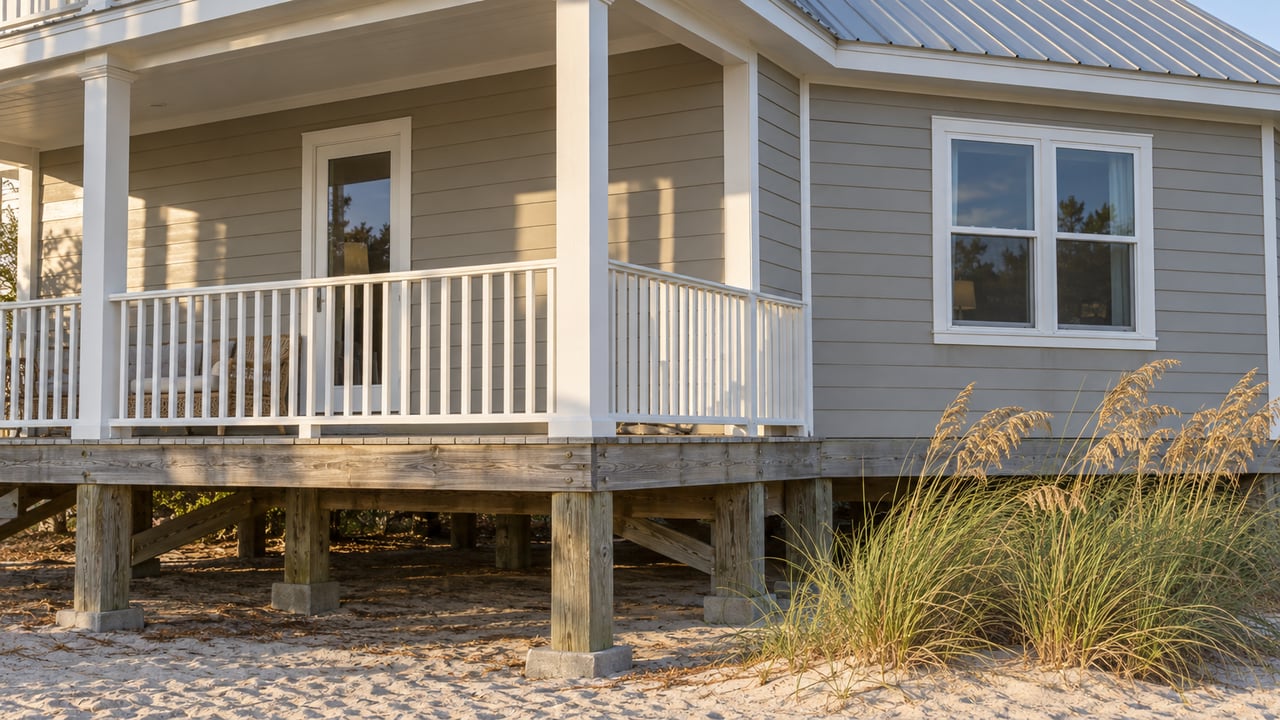
FEMA guidance says flood-resistant materials are required for structural and non-structural building materials at or below the Base Flood Elevation. In V Zones, new construction must place the lowest horizontal structural member at or above BFE, be anchored to resist wind and water loads, and use open enclosures or non-supporting breakaway walls below the elevated floor.
Elevation Is a Core Design Decision
In a coastal market like Mexico Beach, elevation is not just about code compliance. It can influence stairs, parking below the home, storage limits, entry design, views, and overall construction cost.
The more exposure your lot has to coastal flood conditions or canal conditions, the more likely your final plan will need engineered details rather than a standard inland-style plan. That is why it helps to align your survey, elevation information, and house plan as early as possible.
Opening Protection Matters Too
Florida building standards also require glazing in wind-borne debris regions to be impact resistant or protected. For planning purposes, buyers should expect the opening protection package to be part of the early conversation, along with the foundation system and the location of HVAC and other mechanical equipment.
This is one reason a coastal build budget can change quickly. What looks like a simple plan online may need meaningful revisions to fit the lot and satisfy local coastal conditions.
Understand the Permit Process
Mexico Beach has a layered process for new development. The city’s code says development may begin only after all required outside permits for wastewater, potable water, stormwater, and similar items are received, and after the city issues a development order and certificate of concurrency.
The city also states that the City Administrator must determine within five working days whether a complete submittal is incomplete or ready to proceed. Once issued, development orders generally expire six months after issuance unless work begins and continues in good faith.
Common Permit Documents
The permit workflow is routed through EPCI Code Services, and the city’s building information outlines a practical document list many buyers and builders should expect. Common items include:
- Development order application
- Building application
- Notice of commencement
- Owner affidavit
- Hold harmless form
- Product affidavit
- Site plan
- Survey
- Elevation certificate or benchmark letter
- Energy forms
- FDEP permit if the site is seaward of the CCCL
Contractors must hold a state license, register with the Mexico Beach Building Department, and obtain a city occupational license. Homeowners may apply if they oversee the work and are on-site during construction.
Plan for a Realistic Timeline
Many buyers underestimate how long a new build takes in a coastal town. Census reported an average of 10.7 months from start to completion for new one-unit residential buildings in 2022, but that is only a general benchmark.
In Mexico Beach, the timeline can run longer because you may have city development review, concurrency clearance, utility approvals, and possibly CCCL or canal-related approvals before construction even gets moving. For some projects, months can pass before ground is broken.
A Simple Four-Step Framework
If you want a practical way to think about the process, break it into four stages:
- Lot due diligence
- Design, survey, and elevation work
- Permitting and utility approvals
- Construction and inspections
A straightforward residential lot may move more cleanly through these stages. A custom coastal build on a more complex site can take longer, especially when flood conditions, waterfront features, or outside agency permits are involved.
Questions to Ask Before You Buy a Lot
If you are comparing land options in Mexico Beach, keep these questions in front of you:
- What zoning district is the parcel in?
- Does that zoning support the type of project you want?
- What are the setbacks, density limits, height limit, and impervious surface cap?
- Is the lot in a FEMA flood zone?
- What is the base flood elevation?
- Is the property in a CCCL area?
- Are water and sewer available through Bay County?
- Will the lot need a city development order and certificate of concurrency?
- Is canal or waterfront approval required?
- What surveys, elevation documents, and permits will be needed before a building permit can be issued?
These are not small details. They are the details that help you decide whether a lot is a smart opportunity, a longer-term project, or the wrong fit for your goals.
Why Local Guidance Matters
Planning a new build in Mexico Beach is part real estate search and part project strategy. You are not just buying land. You are evaluating zoning, flood exposure, utility access, permit pathways, and design feasibility all at once.
That is why many buyers benefit from working with a local real estate team that understands coastal lots, second-home goals, and the practical steps that happen before construction starts. If you want help narrowing down buildable options in Mexico Beach or anywhere along the Forgotten Coast, connect with Eli Duarte for local guidance that keeps your search grounded in the realities of the market.
FAQs
What zoning should you check before planning a new build in Mexico Beach?
- You should confirm the parcel’s zoning district first, because Mexico Beach uses multiple districts with different rules, and residential build options commonly depend on whether the lot is in RLD, RG, HDR, or another district such as TM.
What flood details matter for a Mexico Beach lot purchase?
- You should check the FEMA flood zone, base flood elevation, and how updated flood maps may affect permit requirements and insurance costs before closing on the property.
What is the CCCL in Mexico Beach new-build planning?
- The Coastal Construction Control Line is a Florida coastal regulation that can affect certain lots, and if a site is seaward of the CCCL, an FDEP permit may be required as part of the permit package.
What utilities should you verify for a Mexico Beach homesite?
- You should verify whether water and wastewater service are available through Bay County and understand the connection approvals needed, while sanitation service is provided by the city.
What extra approvals can a canal lot need in Mexico Beach?
- Canal-related improvements such as seawalls, docks, boat houses, and boat lifts require submission to the Building Department, City Council approval, and a city building permit.
What documents are commonly needed for a Mexico Beach building permit?
- Common documents include a development order application, building application, notice of commencement, owner affidavit, hold harmless form, product affidavit, site plan, survey, elevation certificate or benchmark letter, energy forms, and possibly an FDEP permit for lots seaward of the CCCL.
How long can a new build take in Mexico Beach?
- A new build can take many months, and while the 2022 national average for a new one-unit residential build was 10.7 months from start to completion, Mexico Beach projects may take longer because of local development review, utility approvals, and coastal permitting conditions.