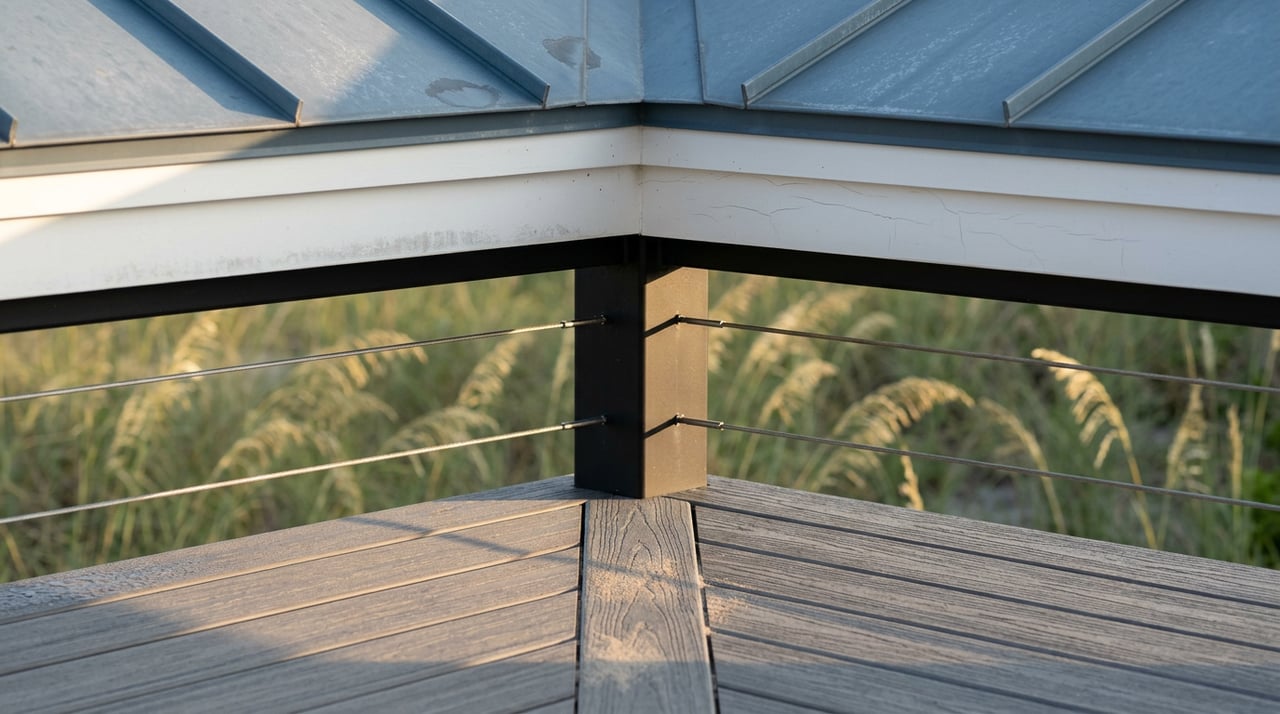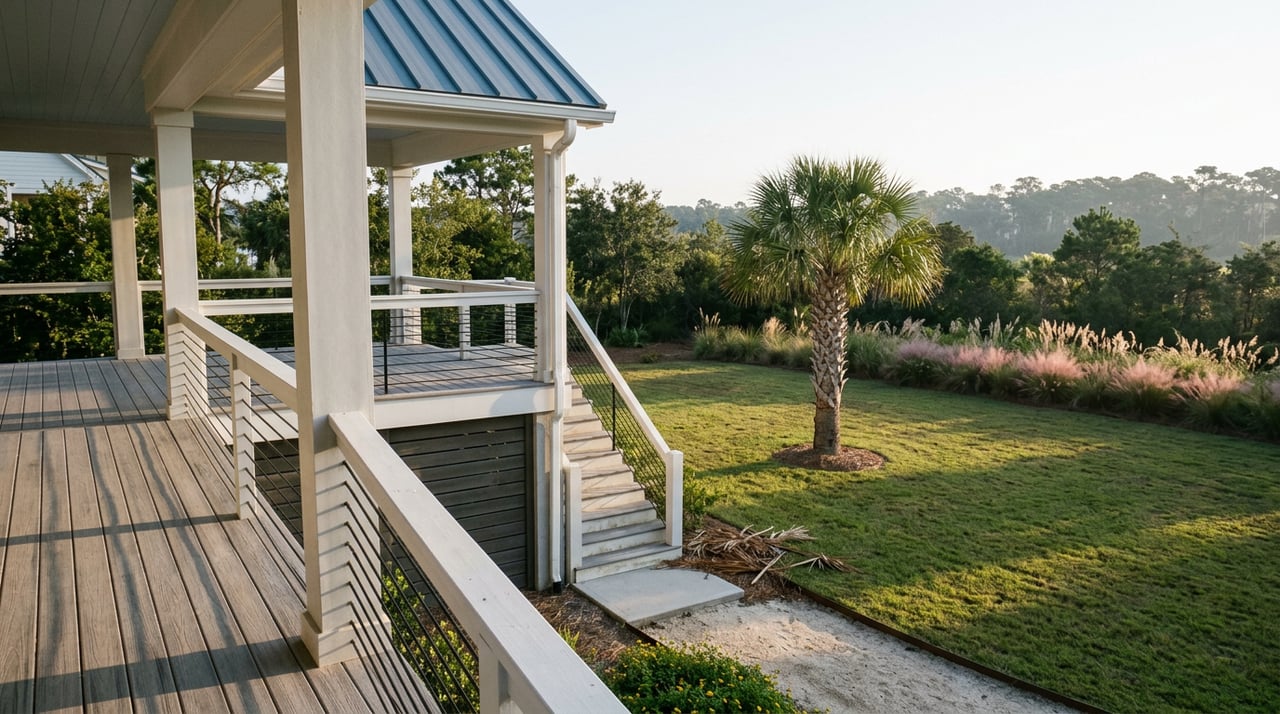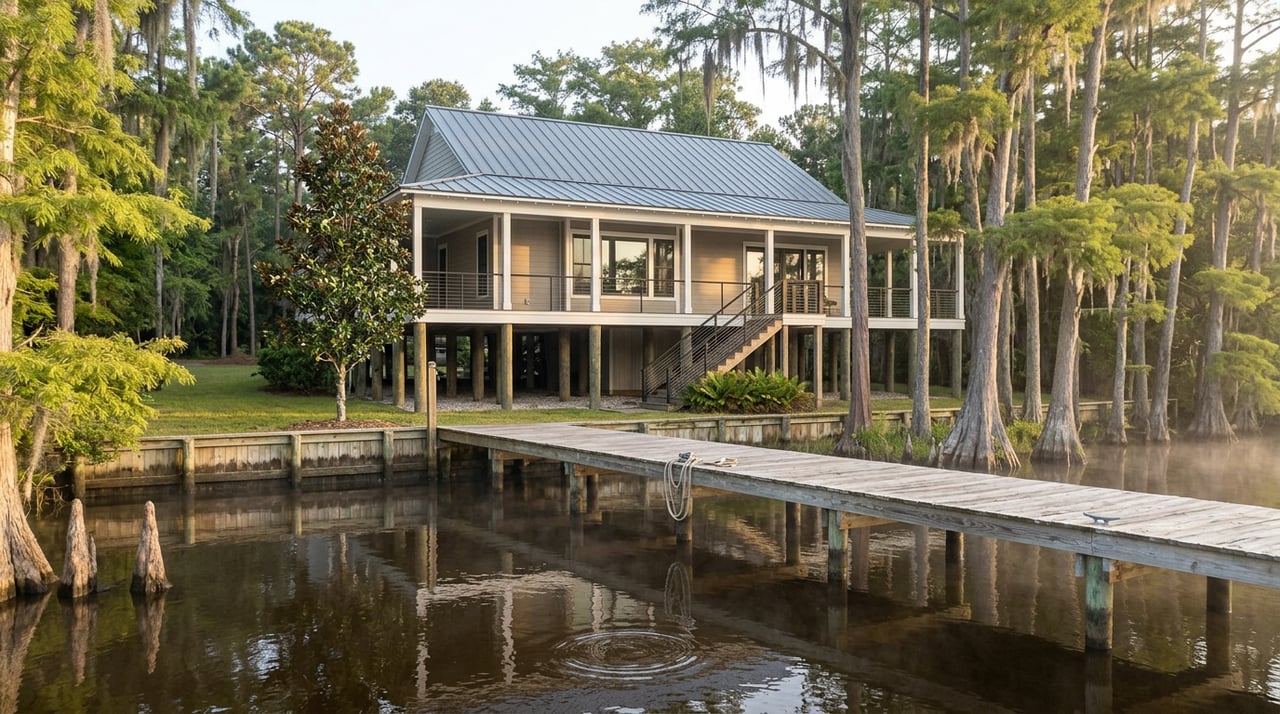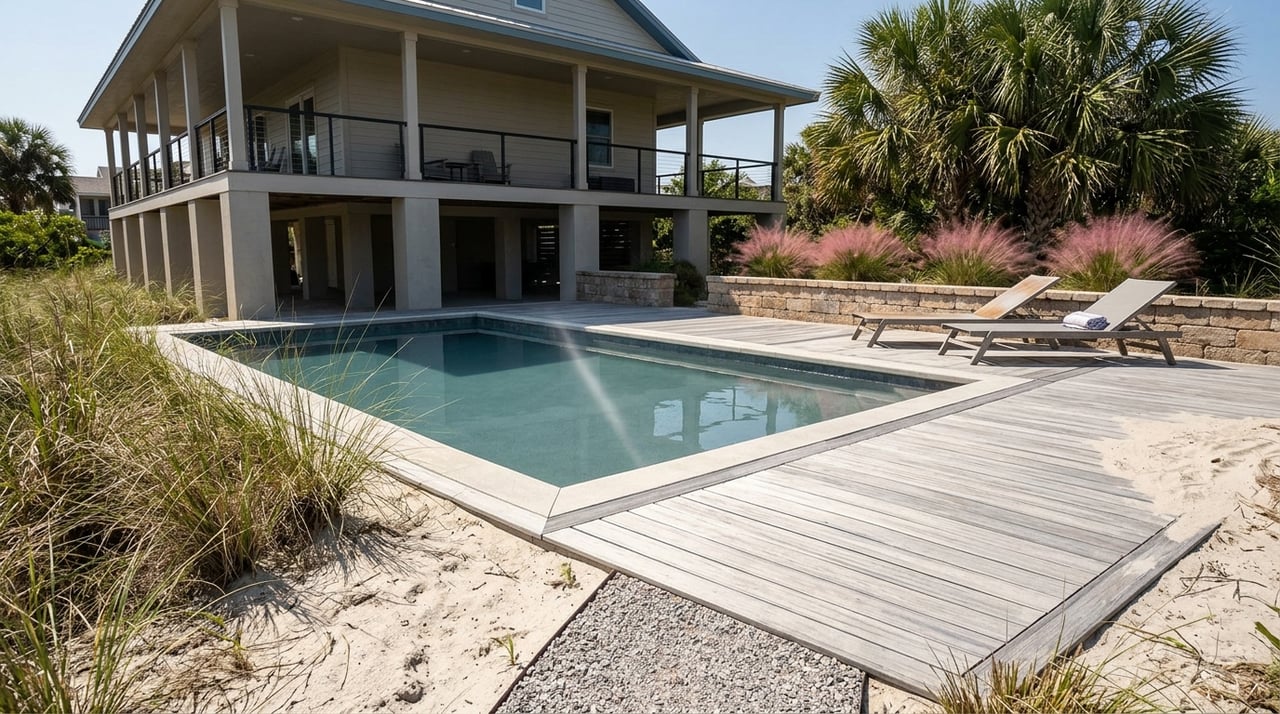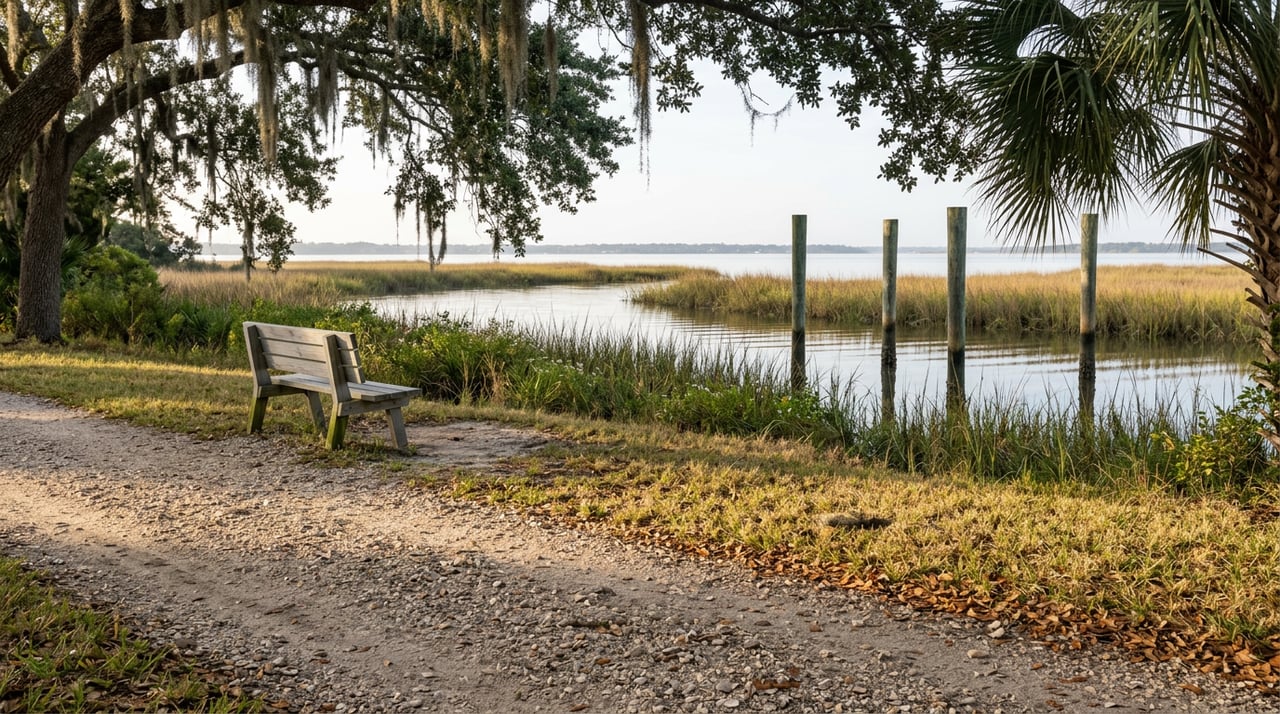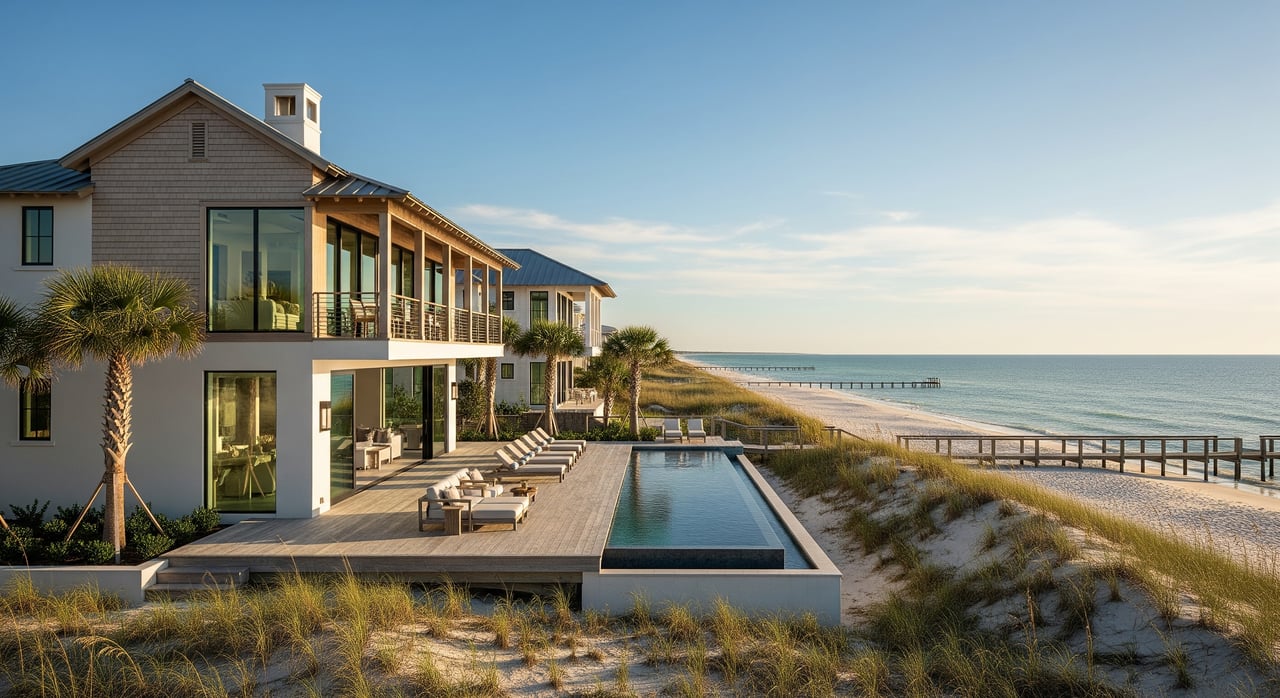
What draws people to Florida’s Forgotten Coast, and what does that mean for you as a homebuyer looking at Port St. Joe? If you want natural beaches, a small‑town feel, and fewer high‑rises, this shoreline may be a fit. At the same time, you will weigh coastal risks, seasonal patterns, and services that are different from big resort towns. In this guide, you will learn how the area is defined, how Port St. Joe stands out, and what to check before you write an offer. Let’s dive in.
The Forgotten Coast, explained
The Forgotten Coast is a local term for a quieter stretch of Florida’s north Gulf shoreline. It is often contrasted with the busier Emerald Coast around Destin and Panama City Beach. There is no legal boundary, but most people include parts of Gulf County and Franklin County, such as Port St. Joe, Cape San Blas, St. George Island, Apalachicola, and Carrabelle.
What sets it apart is lower development density, natural beaches and estuaries, working waterfronts, and small coastal towns. You will find fewer high‑rise condos and more single‑family homes, cottages, and low‑rise buildings. The result is a slower pace and a landscape shaped by conservation.
Why Port St. Joe stands out
Port St. Joe sits on the eastern side of St. Joseph Bay, close to the St. Joseph Peninsula and Cape San Blas. These barrier features create a protected bay for boating and kayaking and a Gulf‑side shoreline for beach time and fishing. Nearby public lands, including St. Joseph Peninsula State Park and the St. Joseph Bay Aquatic Preserve, guide how and where new homes go.
Conservation, setbacks, and the layout of the bay and peninsula limit continuous high‑density development. Many parcels sit near sensitive dunes or estuaries, so building rules are tighter than in urban beach zones. This geography is a big reason the town keeps its small‑scale feel.
Housing types and market feel
You will mostly see single‑family homes, both primary residences and vacation houses. There are some duplexes, small condo developments, and newer subdivisions, but you will not find the large tower clusters common on the Emerald Coast. Waterfront and near‑water properties draw out‑of‑area buyers, and limited supply can make these segments competitive.
Seasonality plays a role. Winter visitors and summer beach travelers shape occupancy and activity. That means listing traffic, showing schedules, and rental performance can vary by time of year. For current numbers like median prices or days on market, rely on local MLS data or Florida Realtors’ county reports since conditions can change after storms or shifts in insurance and lending.
Lifestyle trade‑offs to weigh
If you value outdoor time, this area delivers. The region is known for boating, fishing, shellfishing, kayaking, birding, and scenic drives along low‑rise waterfronts. Seafood culture runs deep in neighboring communities, and marinas, state parks, and historic downtowns add to the mix.
Choice is more limited for restaurants, shopping, and entertainment compared with larger resort towns. Healthcare includes smaller regional hospitals and clinics nearby, while major medical centers are in larger cities like Panama City or Tallahassee. If you commute or travel often, plan for drives to bigger airport hubs and interstate corridors.
Local schools serve year‑round residents, though options are fewer than in urban centers. Families often factor in commute times for specialized programs or private schooling if needed.
Coastal risks, insurance, and building rules
Coastal hazards are part of buying smart here. Properties along St. Joseph Bay and the barrier peninsula fall into FEMA flood zones, and you should verify your parcel’s designation early. Use the FEMA Flood Map Service Center and ask for an elevation certificate to understand risk and potential insurance costs.
If a home is in a Special Flood Hazard Area, flood insurance is required for federally backed loans. The National Flood Insurance Program and private flood carriers serve this area. Wind coverage is also a key part of Florida coastal insurance. Learn how wind mitigation features like roof straps or protected openings can help lower premiums, and stay informed through the Florida Office of Insurance Regulation and Citizens Property Insurance Corporation.
Long‑term sea‑level rise and erosion shape shoreline policies and building choices. Review background information from NOAA on sea‑level rise, and ask about beach nourishment, dune protection, or local shoreline management near any property you are considering.
Florida Building Code and Gulf County ordinances govern wind design requirements and elevation rules for new builds or substantial improvements. Waterfront additions, docks, seawalls, and dune work often require permits and can be restricted by shoreline setbacks and aquatic preserve protections. Always confirm what is allowed before planning a project.
Utilities and access to services
Not every property near the bay or on the peninsula is tied to central utilities. Some rely on septic systems and private wells. If a home has septic, make the system’s condition and drainfield capacity part of your due diligence. Also verify broadband availability if you telecommute since service levels vary by street.
Emergency services, hospital access, and retail variety are not the same as in major metro areas. Plan how that fits your lifestyle and seasonal routines. The good news is that you get a quieter environment with quick access to water and trails.
Thinking about rental income
Short‑term rental potential can be part of the picture, but it is seasonal. Winter visitors and summer beach travelers tend to drive peak occupancy, while shoulder seasons can be softer than in bigger resort markets. You should research local short‑term rental rules and any transient rental taxes before you buy.
If you are evaluating income, ask for past rental history and talk with local property managers about typical occupancy patterns. Some neighborhoods or associations have specific rental rules, so get the documents early in your review.
Quick pre‑offer checklist
Use this list to move fast with confidence:
- Pull the parcel’s flood zone and print maps from the FEMA Flood Map Service Center.
- Ask the seller for an elevation certificate, or order one with a site survey if none exists.
- Get flood and homeowner’s insurance quotes from at least two carriers and a local independent agent who knows Gulf County.
- Confirm sewer versus septic. If septic, schedule a full inspection and capacity report.
- Verify shoreline setbacks, dune protection, and any permit history for docks, seawalls, or additions.
- Order a structural inspection that covers roof, foundation, and wind mitigation features, plus a pest and termite inspection.
Due diligence during the contract period
Once under contract, dig into the details:
- Title search and survey to confirm lot lines, easements, and access rights.
- County building history and any code issues. Start with Gulf County government pages for department contacts and permitting guidance.
- If in an HOA or condo, review budgets, insurance policies, rental rules, and reserves.
- If buying for investment, request rental histories and occupancy data and verify local rental regulations.
Who to call for local answers
The right local team saves time and reduces risk:
- A real estate agent with coastal experience and Gulf County zoning and insurance knowledge.
- The Gulf County Property Appraiser for parcel data, assessments, and exemptions.
- The county building department and planner for permits, setbacks, and floodplain procedures, accessible through Gulf County government pages.
- A licensed surveyor and engineer for elevation certificates and site feasibility.
- A local insurance agent versed in NFIP, the private flood market, and wind mitigation credits.
- A real estate attorney for complex title, shoreline, or rental regulation questions.
What this means for your search
Buying on the Forgotten Coast means choosing natural beauty and a small‑town rhythm over big‑resort convenience. You trade large entertainment districts for quiet mornings on the bay and easy boat launches. At the same time, you plan for coastal insurance, verify utilities, and accept seasonal rhythms for rentals and resale.
If that balance fits your goals, Port St. Joe offers a strong match. With careful due diligence and local guidance, you can secure a place that works for vacations, retirement, or a full‑time coastal lifestyle.
Ready to talk specifics for your budget, timeline, and wish list? Connect with Eli Duarte for a personalized plan and on‑the‑ground support from a trusted local team.
FAQs
What is the Forgotten Coast in Florida?
- It is a local term for a low‑density stretch of Florida’s north Gulf shoreline that includes parts of Gulf and Franklin counties, such as Port St. Joe, and is distinct from the busier Emerald Coast.
How is Port St. Joe different from the Emerald Coast?
- Port St. Joe has fewer high‑rise developments, more single‑family homes, and a lifestyle shaped by conservation areas and small‑town amenities rather than large resort districts.
What insurance should I expect to carry in Port St. Joe?
- Flood insurance may be required in FEMA Special Flood Hazard Areas, and wind coverage is a major factor in Florida coastal policies, with potential savings from wind mitigation features.
Are short‑term rentals allowed in Port St. Joe and nearby areas?
- Rules vary by neighborhood and jurisdiction, so verify local ordinances, HOA rules, and any transient rental taxes before you buy if rental income is part of your plan.
What due diligence is most important before I make an offer?
- Confirm flood zone and elevation, obtain insurance quotes, verify sewer versus septic, check shoreline setbacks and permits, and schedule structural and pest inspections.
Where can I find official information on flood zones and building permits?
- Use the FEMA Flood Map Service Center for flood zones and visit Gulf County government pages for permitting contacts and procedures.