Is Port St. Joe calling your name, but you want the real picture before you pack a box? You are not alone. Many buyers love the small‑town coastal feel and access to the bay, yet want practical guidance on homes, insurance, schools, and daily life. This guide gives you clear, local insights to help you decide if Port St. Joe fits your goals and how to buy with confidence. Let’s dive in.
Why Port St. Joe works for you
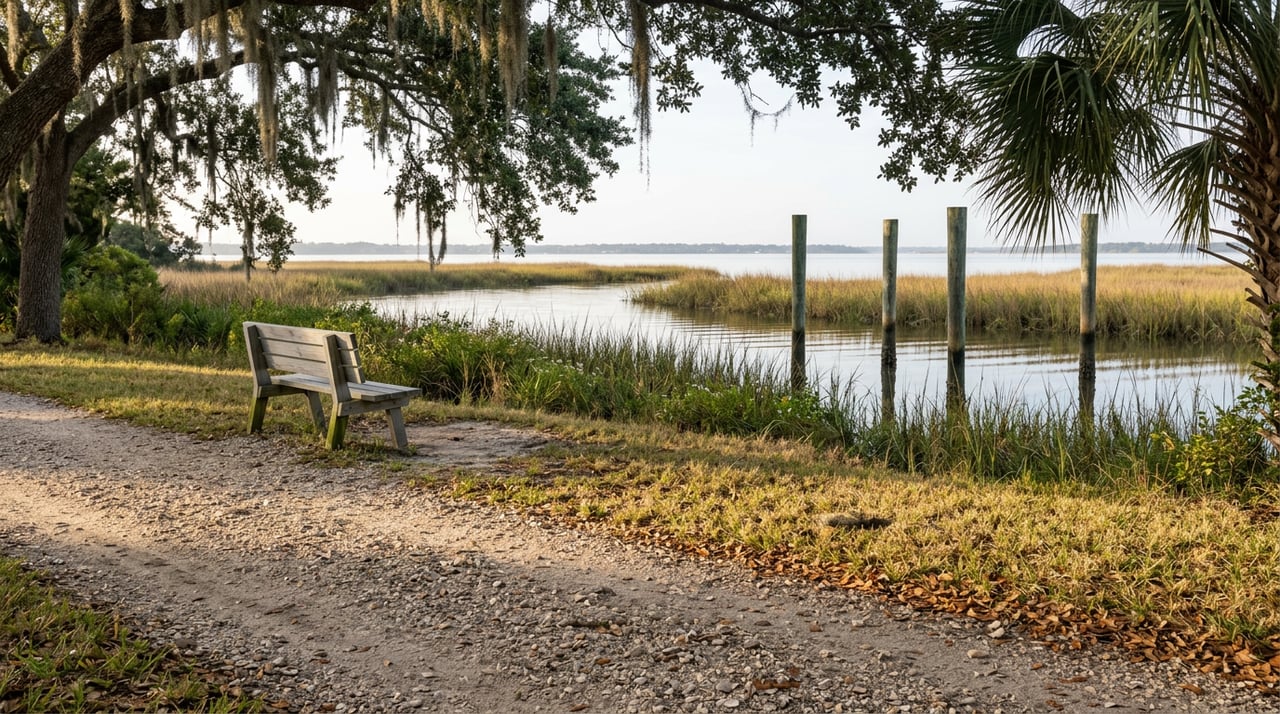
Port St. Joe sits on St. Joseph Bay and serves as Gulf County’s hub. You get a slower coastal pace, plenty of outdoor time on the water, and a community that rallies around schools, local businesses, and seasonal events. Tourism and second‑home demand pick up in summer and holidays, which can bring more visitors and short‑term rentals.
You will notice a practical, everyday rhythm here. Many residents work in local government, schools, healthcare, trades, or small retail, with hospitality and construction activity that ebbs and flows with the season and storm recovery cycles. If you want a relaxed base near beaches and state parks without big‑city congestion, Port St. Joe is a strong match.
Housing options and what to expect
You will find a mix of property types in and around the city. Inventory changes with the season, but these categories hold steady.
Waterfront vs inland homes
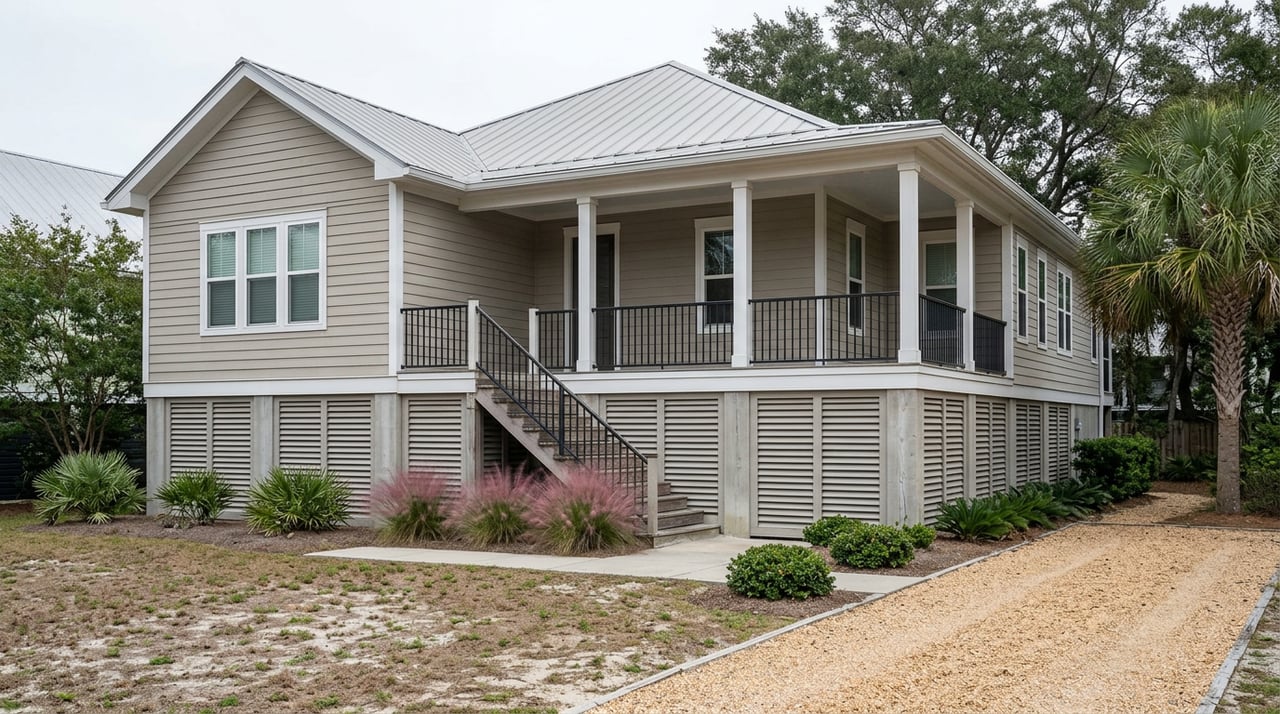
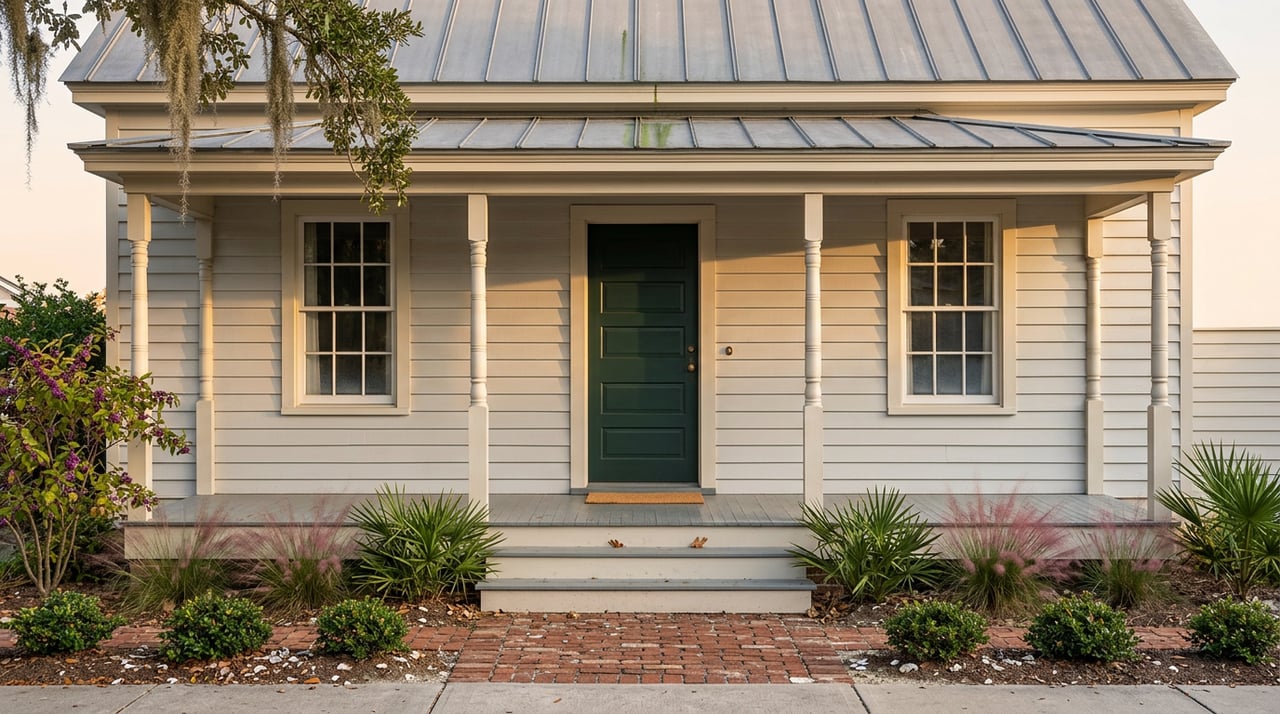
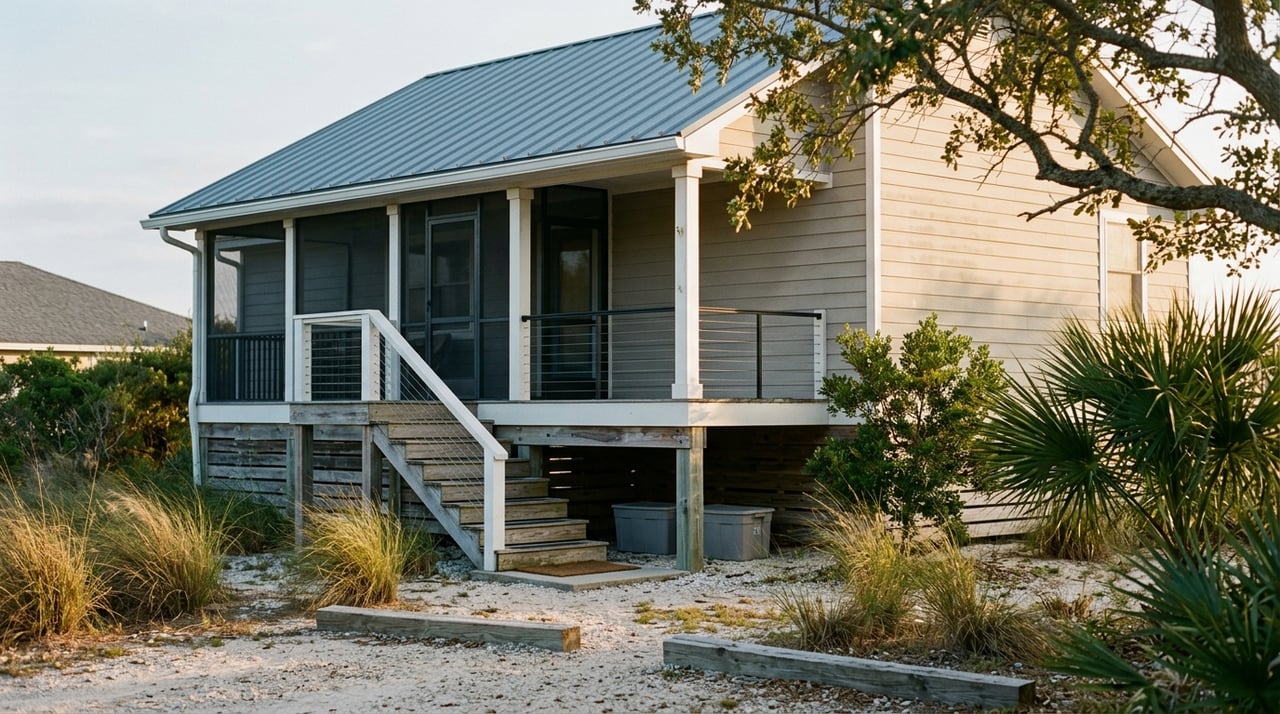
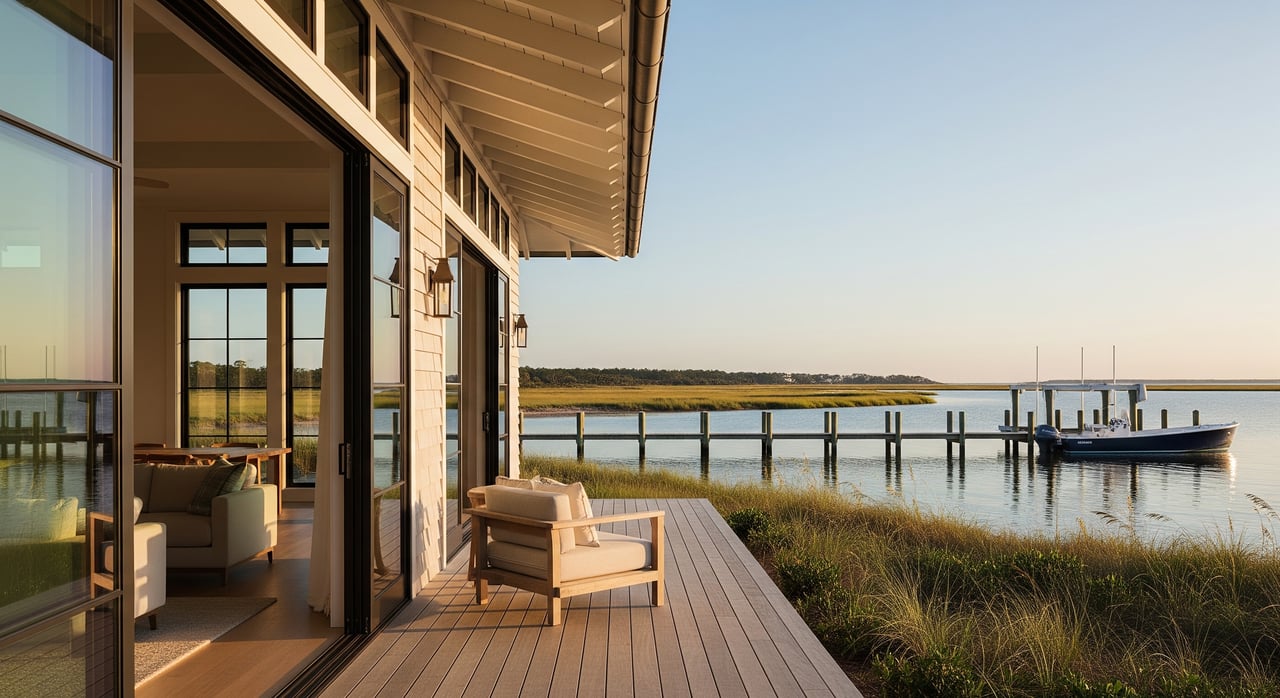
- Waterfront and near‑water single‑family homes range from older cottages to newer elevated builds. Premiums are common for bay views, deeper water, or updated construction.
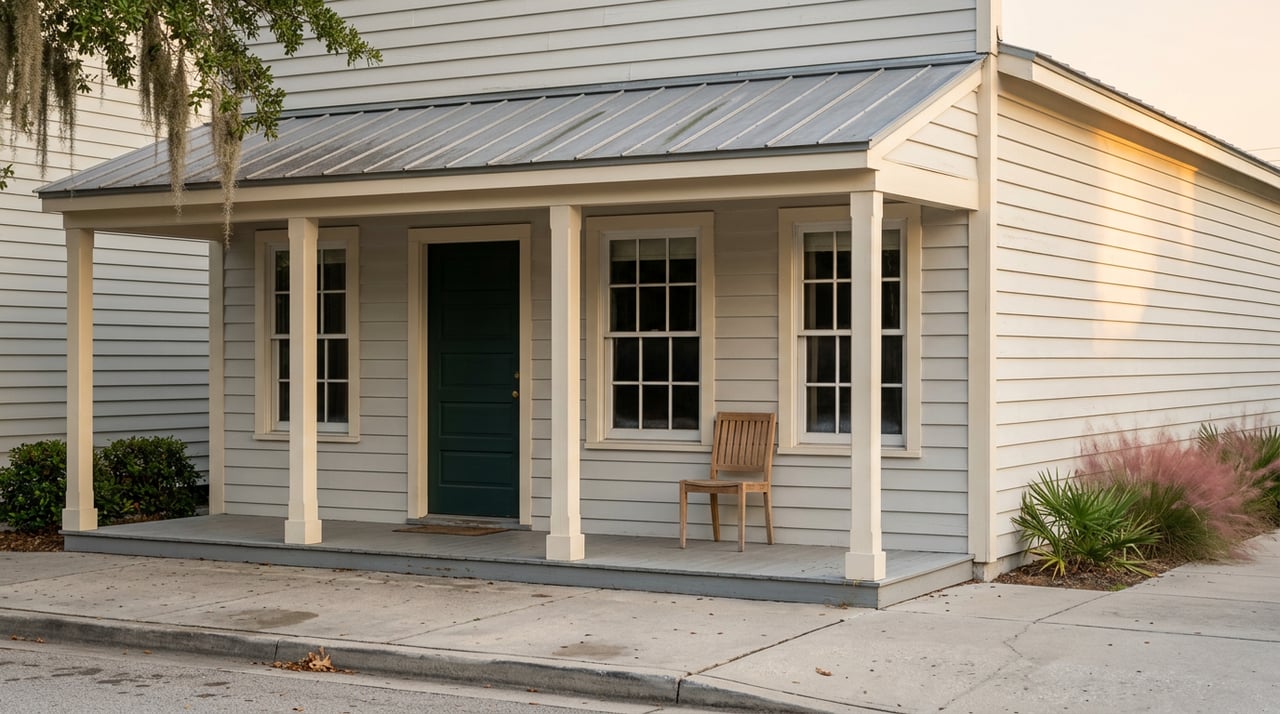
- Inland single‑family homes on small lots offer more budget‑friendly options and often simpler insurance considerations.
Condos and vacation rentals
- Condominiums are limited compared with larger beach towns. Short‑term rentals exist near beaches and the peninsula, but rules vary by location. Always confirm regulations with the City of Port St. Joe and Gulf County before planning rental income.
Land and rural parcels
- Vacant land and rural parcels are common in Gulf County. Outside city limits, you may see private wells and septic systems. Setbacks and utility access can shape your build plan, so review county permitting early.
What drives price and value
Micro‑locations and elevation
Water access, view, and elevation matter. Two homes on the same street can vary widely in price based on flood zone, construction type, and proximity to the bay. Ask for elevation certificates and verify the exact FEMA flood zone through the FEMA Flood Map Service Center.
Condition and wind mitigation
In coastal Florida, roof age and wind‑mitigation features influence both insurance and resale. Impact windows or shutters, reinforced garage doors, and proper roof attachments can reduce risk and sometimes lower premiums. Well‑maintained systems and storm‑ready features often justify higher pricing.
Seasonality and demand
Summer and holiday peaks bring visitors to the bay, Cape San Blas, and nearby beaches. That seasonality can affect short‑term rental occupancy and buyer activity. If you are investing, align your timeline and pricing expectations with demand cycles, and factor in hurricane season (June 1 to November 30).
Smart due diligence for buyers
Use this checklist to protect your timeline, budget, and peace of mind.
- Flood and elevation: Confirm the FEMA flood zone and obtain any elevation certificate on file. Review maps at the FEMA Flood Map Service Center, then discuss options with your lender and insurer.
- Wind and roof: Ask for roof age, wind‑mitigation inspection reports, and details on shutters or impact glass. These features affect premiums and underwriting.
- Utilities: Verify whether the home is on municipal water and sewer or private well and septic. If septic, request maintenance records and plan for inspections.
- Insurance quotes: Florida’s insurance market changes. Compare multiple carriers and review guidance from the Florida Office of Insurance Regulation before you bind coverage.
- Access and title: For bayfront homes, confirm deeded access, dock agreements, and any shared maintenance responsibilities.
- Short‑term rentals: If you plan to host, confirm local rules and any caps with the City of Port St. Joe and Gulf County.
- Permitting and building: Elevated foundations and impact‑rated materials are common. Check local permitting timelines and requirements with the county or city.
- Internet speeds: Connectivity varies by address in rural Florida. Confirm providers and speeds during your inspection period if you work from home.
Daily life essentials
Schools and childcare
Port St. Joe is served by the Gulf County School District with local elementary, middle, and high school options. To review official performance data, use the Florida Department of Education and individual school report cards. Childcare options can be limited in small towns, so plan ahead and confirm licensing and capacity with state resources.
Healthcare and emergency care
Local clinics and primary care providers handle routine visits and urgent needs. For full‑service hospitals and specialty care, most residents travel to larger nearby cities. Check current providers and services through the Florida Department of Health in Gulf County, and confirm EMS coverage and your nearest trauma center.
Groceries, dining, and services
You will find small supermarkets, hardware stores, and locally owned restaurants in town. Higher‑end and national chain choices are fewer than in metro areas. Banking, legal, and real estate services are available locally, yet specialized services may require a trip to a larger market. After storms, expect higher demand for roofers, marine services, and contractors.
Internet and utilities
Inside city limits, many homes use municipal water and sewer, while rural areas often rely on well and septic. Electric service comes from regional providers. Internet access can include cable or DSL in town, with fixed wireless or satellite in remote areas. Confirm availability and installation lead times with each provider during your inspection period. For utility setup, permitting, and local ordinances, start with the City of Port St. Joe and Gulf County.
Coastal risks and insurance basics
Flood and wind coverage
Hurricanes, storm surge, and coastal flooding are part of Gulf Coast life. If a property lies within a Special Flood Hazard Area, lenders typically require flood insurance, available through the National Flood Insurance Program and private carriers. Premiums depend on elevation, mitigation features, and location. For an overview of market conditions and consumer resources, visit the Florida Office of Insurance Regulation. Wind coverage is essential, and some buyers consider the state‑backed Citizens Property Insurance Corporation when private carriers are limited.
Building codes and resiliency
Florida’s building code sets high wind standards for coastal areas. Newer construction often includes elevated foundations and impact‑resistant windows, which can improve resilience and influence insurance costs. Post‑storm permitting can affect timelines, so plan for contractor lead times and inspections when remodeling or rebuilding.
Outdoors and things to do
Water and parks shape daily life here. St. Joseph Bay, nearby barrier islands, and the beaches of the peninsula offer kayaking, boating, shelling, and year‑round birding. Residents often spend weekends at St. Joseph Peninsula State Park for beaches, camping, and fishing.
Public boat ramps, marinas, and fishing charters support inshore and offshore trips. For fishing seasons, licenses, and regulations, check the Florida Fish and Wildlife Conservation Commission before you head out.
Who Port St. Joe fits best
- Seasonal or second‑home buyers who want a quiet coastal base with easy access to beaches and parks.
- Local move‑up buyers who value small‑town routines, community events, and practical commutes within Gulf County.
- Investors and land buyers seeking buildable lots, rental options under local rules, or a long‑term coastal hold.
If you want proximity to water, a community‑oriented pace, and are comfortable planning for insurance and storm readiness, Port St. Joe can be a rewarding choice.
Next steps
- Define your must‑haves: waterfront vs inland, rental potential, or space for boats and gear.
- Get quotes early: compare homeowners, wind, and flood coverage before you finalize negotiations.
- Verify infrastructure: flood zone, elevation, utility type, and internet speeds at the exact address.
- Walk the area: visit during different times of day and, if possible, during peak season.
When you are ready, partner with a local guide who knows the neighborhoods, contractors, and permitting processes. Hablamos español and are happy to help you compare options, line up inspections, and close with confidence. Start a conversation with Eli Duarte to request a free market guide or home valuation.
FAQs
What should a first‑time buyer in Port St. Joe check before making an offer?
- Review the FEMA flood zone and any elevation certificate, get wind‑mitigation and roof details, confirm utility type, and secure preliminary insurance quotes.
How do short‑term rental rules work in Port St. Joe and Gulf County?
- Rules vary by jurisdiction and zone, so verify requirements and any caps with the City of Port St. Joe and Gulf County before you plan rental income.
Where can I find official school information for Port St. Joe?
- Start with the Gulf County School District and review report cards through the Florida Department of Education for performance and enrollment data.
How do I evaluate flood and storm risk for a specific property in Port St. Joe?
- Check the address in the FEMA Flood Map Service Center, ask for an elevation certificate, and discuss flood and wind coverage with your insurer.
What healthcare services are available in or near Port St. Joe?
- You will find local clinics and urgent care options in town, with full‑service hospitals and specialties in larger nearby cities; verify current listings via the Florida Department of Health in Gulf County.
Where can I confirm fishing rules and seasons around St. Joseph Bay?
- Review licensing, seasons, and size limits with the Florida Fish and Wildlife Conservation Commission before you go on the water.