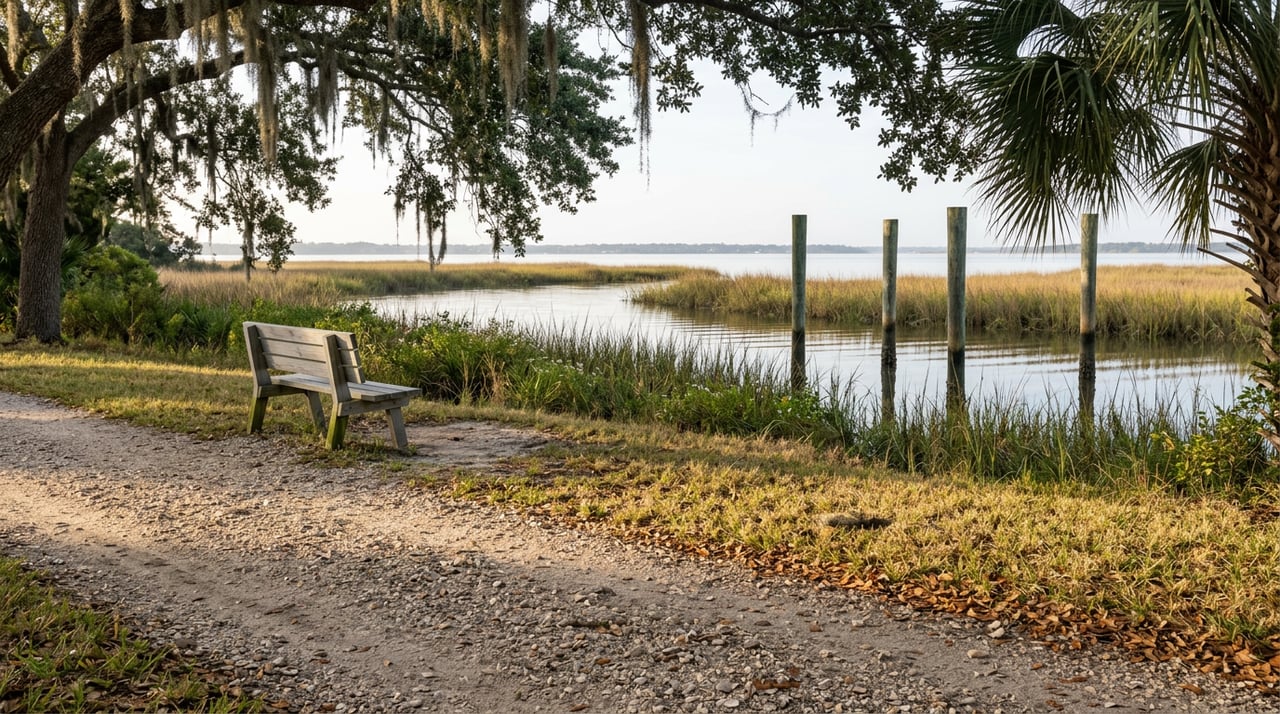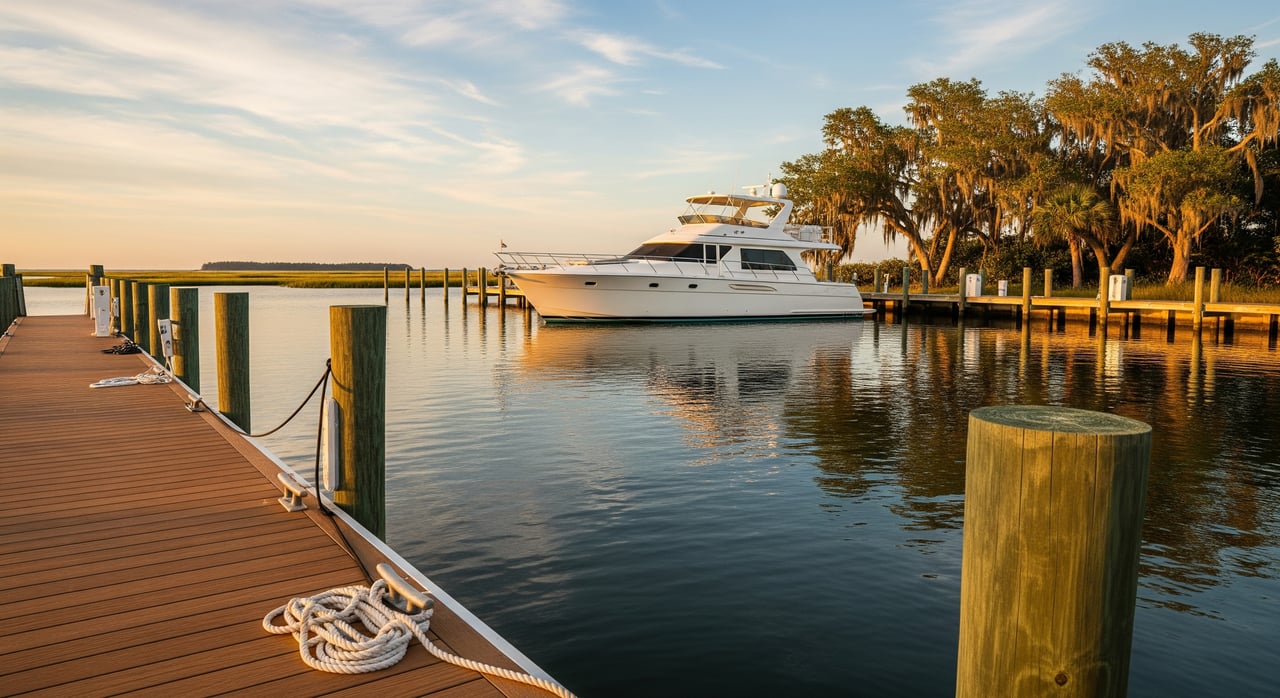
Dreaming about idle mornings on the Carrabelle River, quick hops to Dog Island, or a Gulf run on a calm day? If you boat or fish, Carrabelle gives you a small‑town launch point with big‑water access. You just need a clear plan for ramps, marinas, fuel, and local rules. This guide walks you through the essentials so you can launch, dock, and return with confidence. Let’s dive in.
How Carrabelle waters work
Carrabelle sits where the river meets Carrabelle Bay, with quick access to the Gulf and nearby favorites like Dog Island and St. George Island. You will travel across a mix of tidal river channels, shallow bays and flats, and open Gulf water. That variety is part of the fun, but it also means you should plan for draft limits and shifting sand. Before every trip, check the NOAA marine forecast, tides and currents, and current chart data from NOAA Nautical Charts.
Wind and weather shape the day here. Afternoon sea breezes can push chop across the bay, and winter fronts can turn conditions quickly. Hurricane season runs June 1 through November 30, so keep a storm plan and follow the NOAA Hurricane Center during active periods. In all seasons, expect marked channels to guide the main routes, and assume smaller cuts and bars can shift after storms.
Boat ramps and local marinas
You will find two broad access types around Carrabelle: public ramps for trailer boats and private marinas for transient or seasonal docking. Public facilities are typically first‑come, first‑served and vary in parking and staging space. Marinas manage slips, offer power and water, and usually handle check‑in by phone or at the office. For current locations, rules, and any seasonal notices, use the Franklin County and City of Carrabelle websites.
Weekends, holidays, and peak fishing seasons are busy. Arrive early, stage your gear before backing down, and move your vehicle to designated trailer parking right after launching. If ramps are backed up or slips are full, nearby St. George Island and Apalachicola are common overflow options. Have a backup plan ready if your first choice is crowded.
Fuel, pump‑outs, and repairs
Fuel is commonly available at area marinas, though not every dock has both gas and diesel. Pump‑outs are not universal, so call ahead and confirm service before you arrive. Public ramps typically do not have fuel or sanitation services on site. For haul‑out or more complex repairs, expect to coordinate with larger regional facilities in nearby coastal towns.
Carry extra lines, fenders, and a spare fuel filter. Cellular service can be spotty in places, so a charged VHF or backup communication plan helps. If you plan a longer day offshore, fuel early and build in a generous margin for wind or tide shifts.
Slips, moorings, and transient tips
Transient slips are designed for short stays from hours to a few days. Seasonal slips are limited in small towns and often require deposits and early booking. If you plan to anchor, choose sand or mud where permitted and avoid seagrass, oyster bars, and marked no‑anchor areas. Always verify local rules and be mindful of sensitive habitat when you set the hook.
When you arrive, call the marina to confirm your slip and follow their docking instructions. Bring fenders and spring lines, and turn off loud generators during quiet hours. In peak periods, respect short‑term tie‑up limits so others can rotate in. Do not raft without permission, and never block launch ramps or staging lanes.
Safety, regulations, and responsible boating
You are responsible for carrying required safety gear and operating within federal and Florida law. For equipment rules, navigation basics, and operator guidance, review the U.S. Coast Guard’s boating safety resources. Florida requires a boater education ID card for many operators based on age and vessel type; check current details with the Florida Fish and Wildlife Conservation Commission. Registration, numbers, lights, sound devices, and fire extinguishers must match your vessel’s class.
If you plan to fish, confirm size, bag limits, and seasons for your target species. Inshore favorites include redfish, trout, and flounder, with snapper and grouper available nearshore and offshore in the right seasons. Start with FWC’s current saltwater rules and licensing guidance at the FWC saltwater fishing hub. For shellfish, regulations and area openings can change with environmental conditions, so verify status before harvesting.
Protect the waterways you love. Avoid tearing up seagrass with your prop and anchor only in appropriate bottom types. For background and best practices, see the Florida DEP’s overview of seagrass protection. Use pump‑outs when available, keep trash and fishing line onboard until you reach shore, and fuel with absorbent pads to limit spills.
Plan a smooth day on the water
Use this quick checklist to keep your day on track:
- Check the NOAA marine forecast, tides, and your route on NOAA charts.
- Verify ramp or marina hours, transient availability, and fuel or pump‑out service.
- Confirm your registration and safety gear, including PFDs, flares, lights, horn, and fire extinguisher.
- Share a float plan with a trusted contact and set an ETA for your return.
- Pack lines, extra fenders, anchor and rode for local bottoms, spare parts, water, food, ice, and a charged VHF.
- Keep a storm plan during hurricane season and know your nearest safer harbor.
Thinking about owning near Carrabelle?
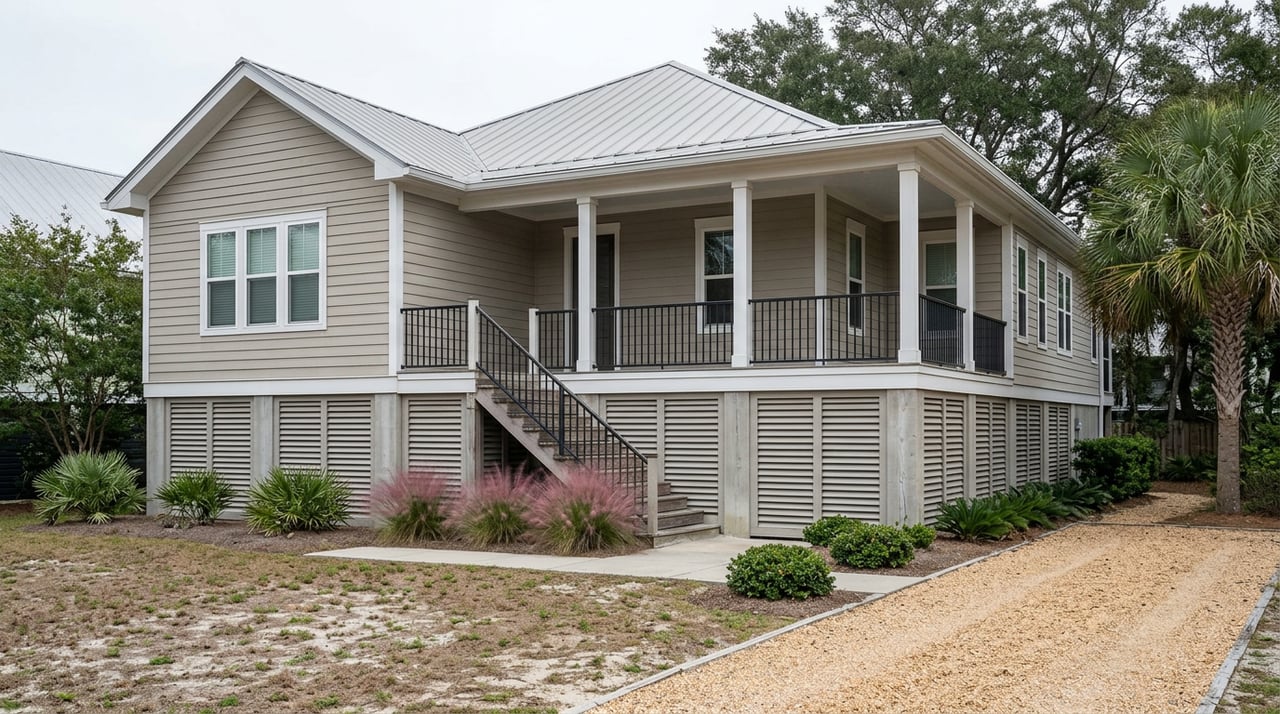
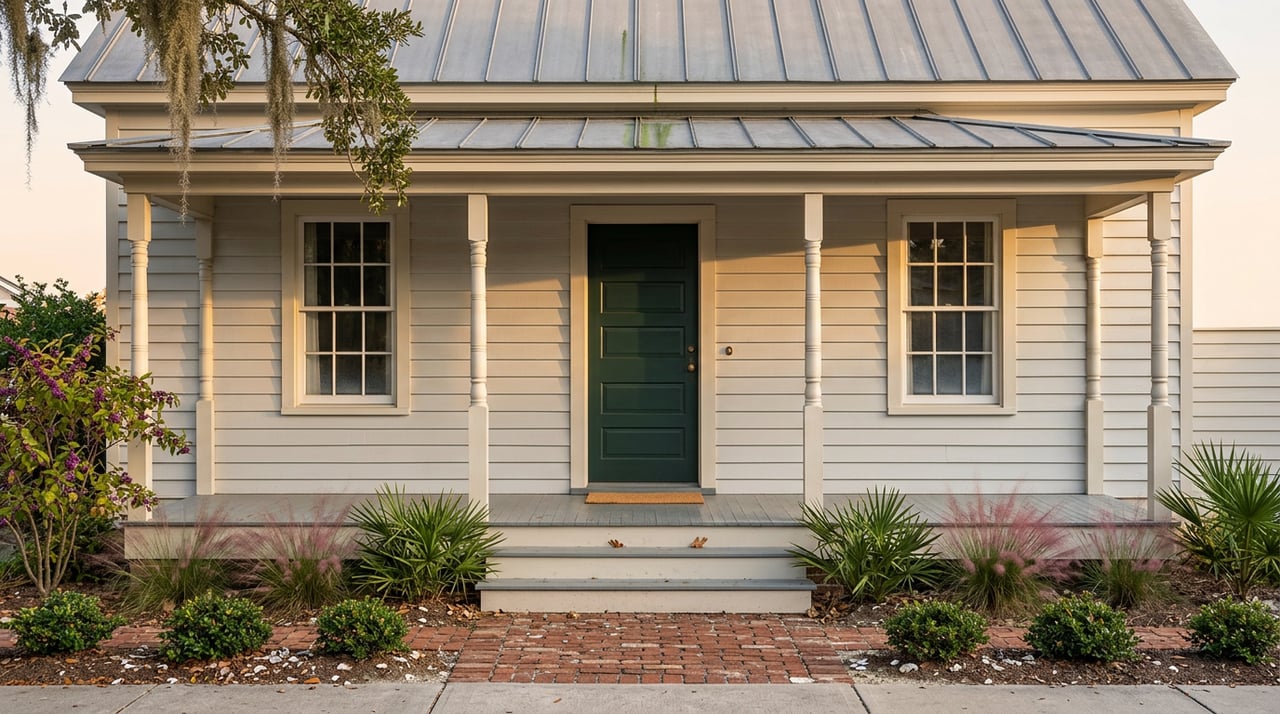
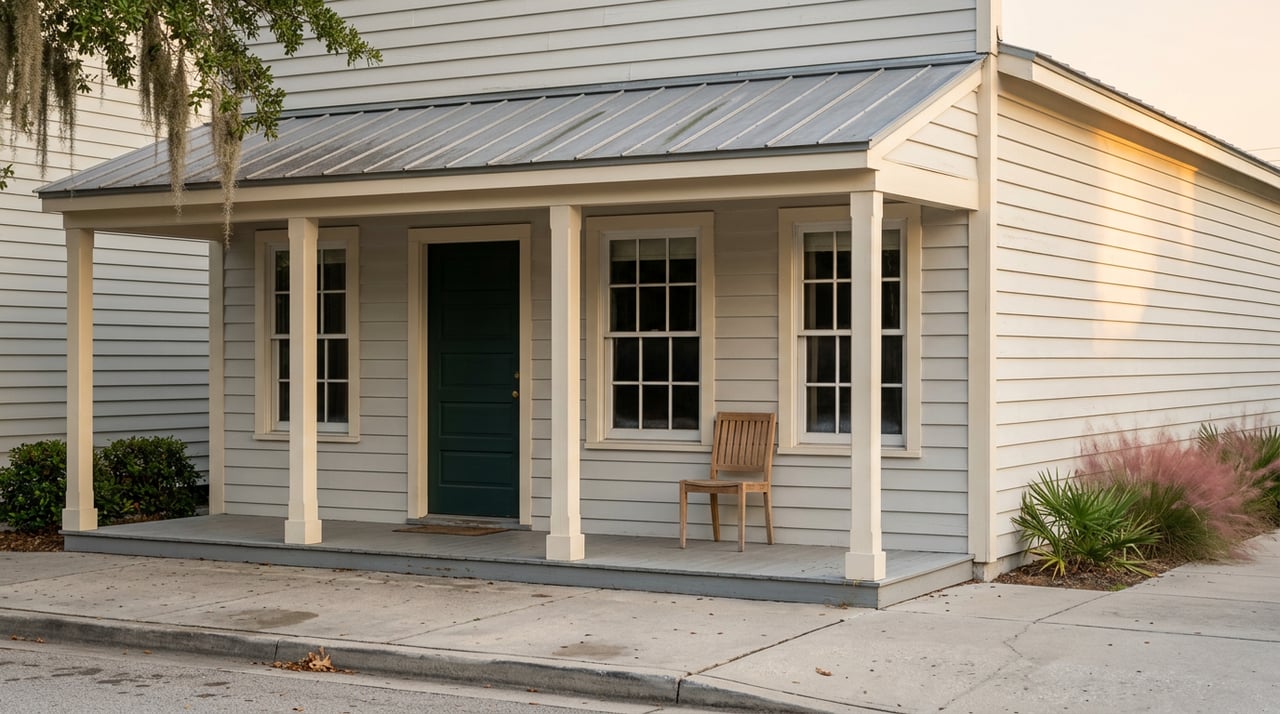
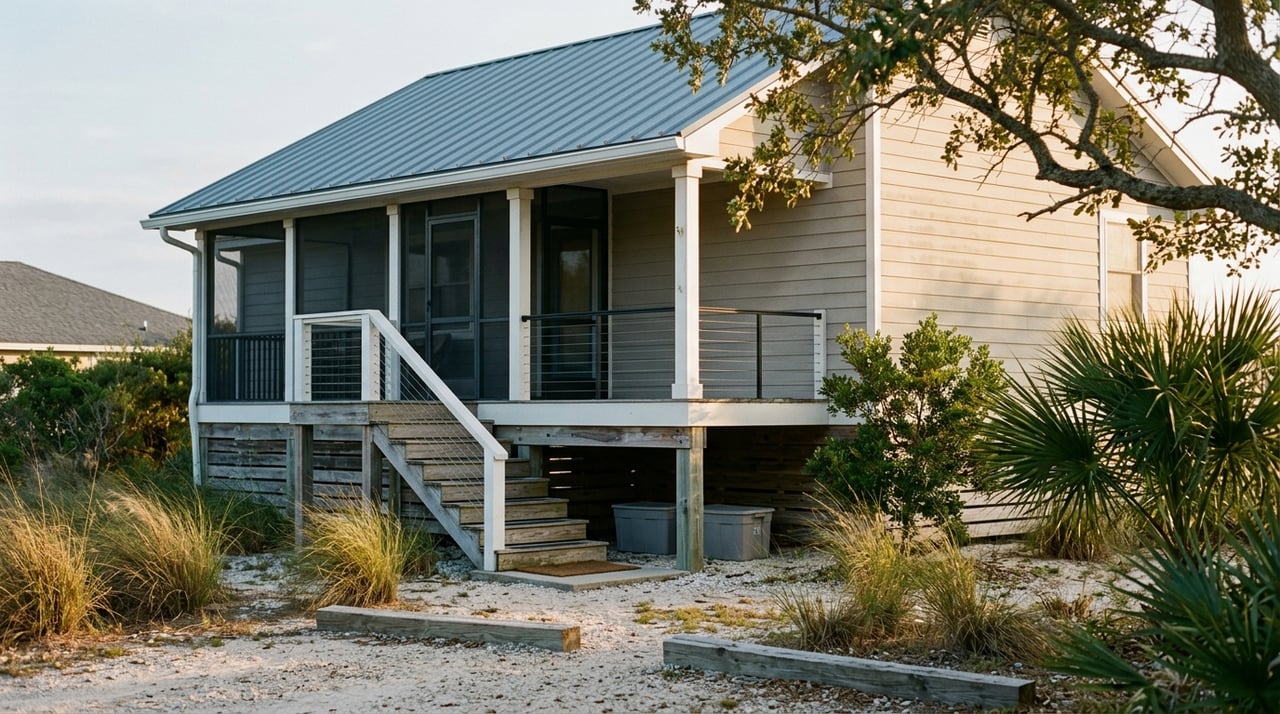
If life on the water is part of your next chapter, it pays to understand how ramps, bridges, and tides match your boating style. Whether you want a riverfront home for inshore trips or a base that makes Gulf runs simple, local guidance helps you choose the right property. Our team lives and works along the Forgotten Coast and can align neighborhoods, water access, and maintenance needs with your goals. When you are ready, reach out to Eli Duarte for friendly, local help. Hablamos español.
FAQs
Are Carrabelle’s public boat ramps free or paid?
- Some ramps are free and others charge for launching or parking. Check the Franklin County and City of Carrabelle sites for current details.
Where can I find fuel and pump‑outs in Carrabelle?
- Many marinas sell fuel, but pump‑outs are not guaranteed. Call marinas ahead or plan to use nearby towns if your first choice does not offer the service.
Is overnight anchoring allowed near Carrabelle?
- Anchoring is generally allowed outside restricted zones, but avoid seagrass and oyster bars and respect local ordinances; verify conditions and bottom types before you anchor.
Do I need a Florida boating safety card to operate here?
- Florida requires an approved boater education ID card for many operators based on age and vessel type; confirm current rules with the FWC boater education page.
Do I need a fishing license for Carrabelle waters?
- Most anglers need a Florida saltwater license and must follow seasons, size, and bag limits; start with the FWC saltwater regulations.