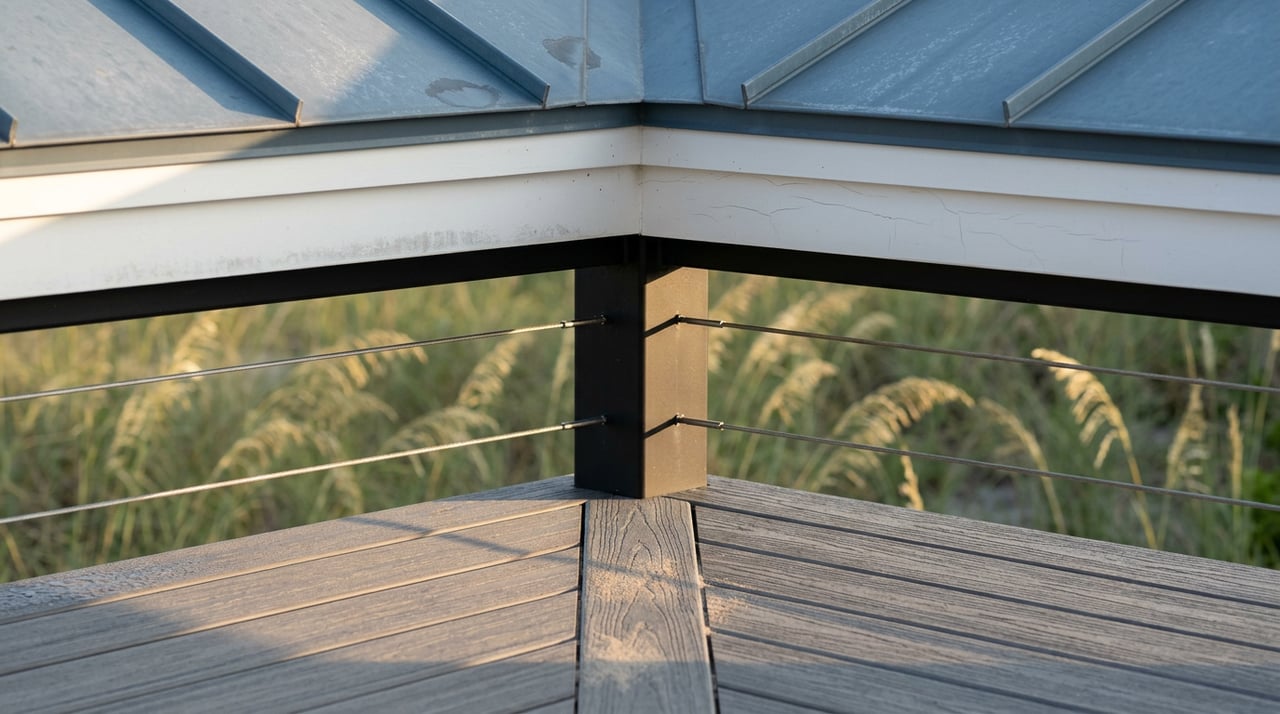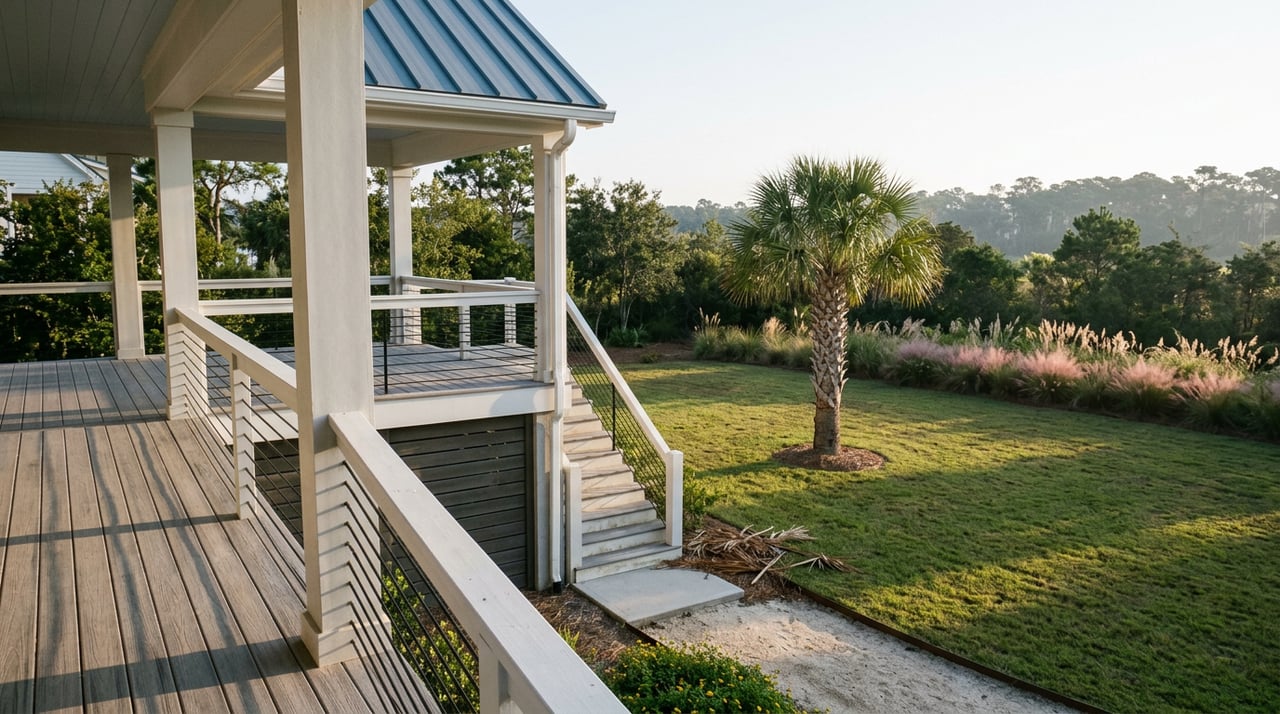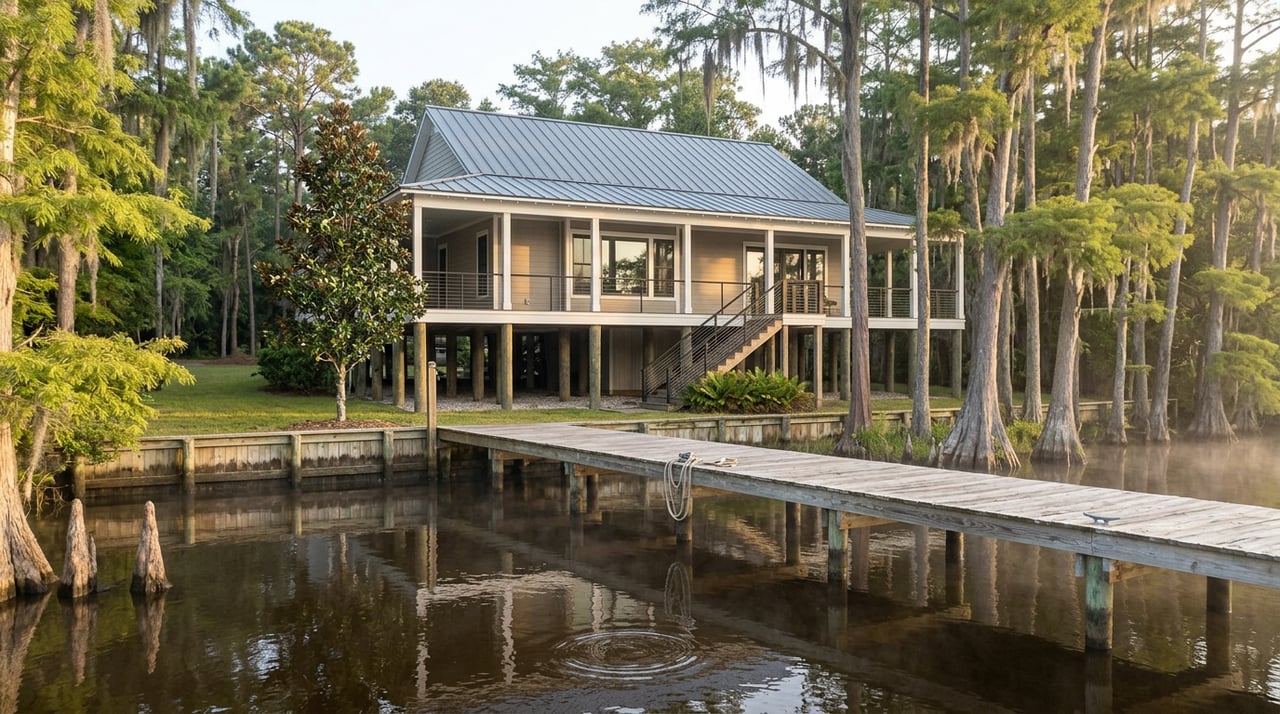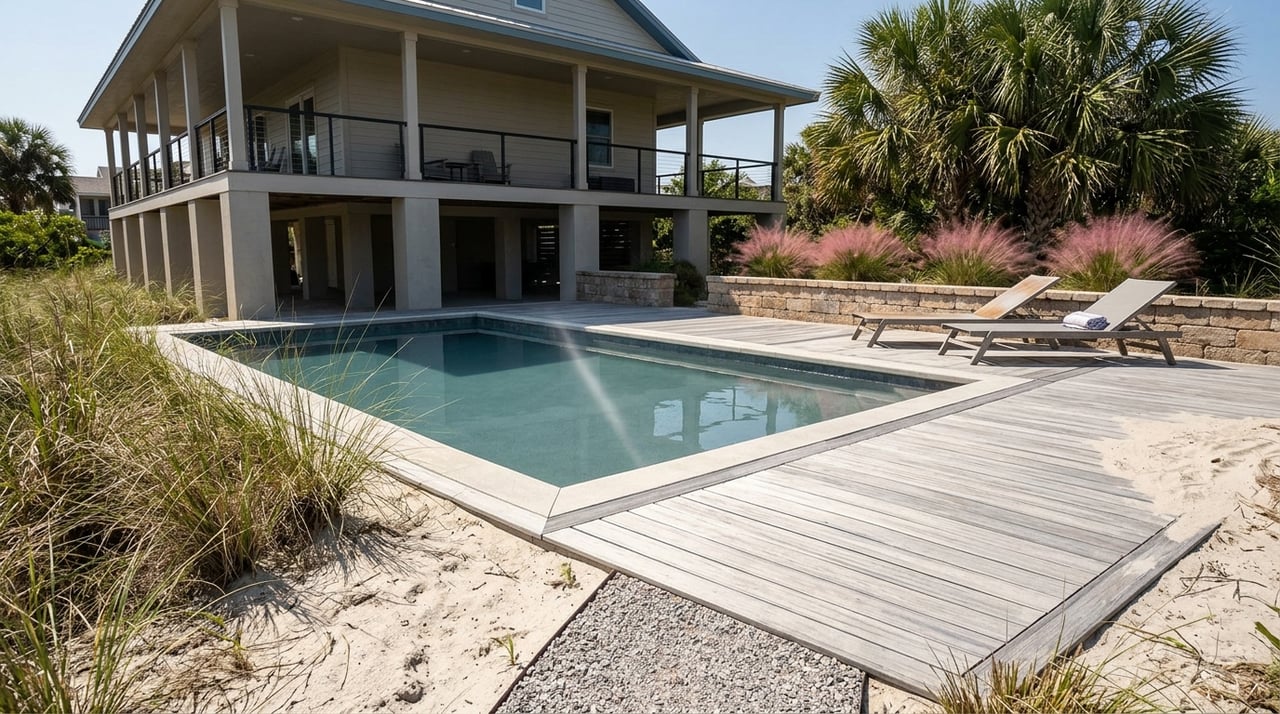
Dreaming about a beach place on Cape San Blas but unsure how the loan works for a second home? You are not alone. Financing a seasonal home on a barrier island comes with extra rules, insurance steps, and documentation. In this guide, you will learn the main loan options, what lenders look for, how coastal risks affect approval, and a simple checklist to move forward with confidence. Let’s dive in.
What qualifies as a second home
A second home is a property you will live in part of the year that is suitable for year-round occupancy and is not primarily an income property. If you plan frequent short-term rentals, many lenders will classify the home as an investment property, which usually means higher down payments, different underwriting, and higher rates. Clarify your intended use with your lender before you write an offer.
Loan options for Cape San Blas buyers
Conventional loans
For most second-home purchases, conventional loans are the starting point. Expect a typical down payment of 10 to 20 percent for one-unit homes when credit and reserves are strong. Rates are often a bit higher than for a primary residence. If the price exceeds the conforming loan limit for Gulf County, you will step into jumbo territory.
Jumbo loans
When your price is above the conforming limit, jumbo loans apply. These often require 15 to 25 percent or more down, higher credit scores, and stronger post-closing reserves.
Portfolio and bank-held loans
Local banks and community lenders sometimes keep loans on their own books. These portfolio loans can be more flexible for unique coastal construction, condo nuances, or nonstandard income, especially when national guidelines would decline the file.
FHA, VA, and USDA
These programs are primarily for primary residences, not second homes. For a Cape San Blas second home, conventional, portfolio, or jumbo options are most realistic.
Using equity from your primary home
You can tap a HELOC or cash-out refinance on your primary home to fund some or all of the purchase. This can be useful, but it ties payments to your primary residence, so weigh the risks and confirm terms with your lender.
What lenders look for
Down payment and source of funds
Second-home loans commonly call for 10 to 20 percent down. Condos, older coastal structures, or weaker credit can push that higher, sometimes 20 to 25 percent or more. Lenders verify where your funds come from with bank statements and any required gift letters.
Credit scores
Minimums vary by lender and product. Conforming programs often start in the mid-600s. To access lower down payments and better pricing, stronger scores in the mid-700s help.
Debt-to-income ratio
Maximum DTI often ranges from 43 percent to about 50 percent, depending on loan program, credit profile, and assets. Many borrowers get smoother approvals at or below 43 percent.
Cash reserves after closing
Second-home financing usually requires reserves measured in months of PITI. Six months of reserves is common. Some situations call for 6 to 12 months. Ask early so you can plan your asset strategy.
Income documentation
Expect two years of W‑2s and tax returns for salaried borrowers. If self-employed, plan on two years of personal and business returns plus a year-to-date profit and loss. Retirement income is documented with award letters, 1099s, and deposit history. Short-term rental income is only counted under strict rules and may shift your loan into investment classification.
Appraisal and condition
Coastal second homes usually require a full interior and exterior appraisal. Appraisers pay close attention to elevation, foundation or pilings, roof condition, HVAC, and signs of storm damage or deferred maintenance. Some lenders may request extra inspections such as wind mitigation or termite reports.
Coastal factors that affect approval
Flood zones and insurance
Many Cape San Blas properties sit in FEMA Special Flood Hazard Areas. If the property is in a mapped flood zone and you finance with a federally regulated lender, flood insurance will be required. Premiums vary by zone and elevation, and can be higher in coastal V zones. Get quotes early so you can budget accurately.
Windstorm and hurricane coverage
Florida’s coastal market often needs separate wind coverage. Your lender will verify that acceptable wind and flood policies are in place and may require escrow. Insurance availability and premium levels can materially affect your monthly costs and approval.
Elevation and mitigation features
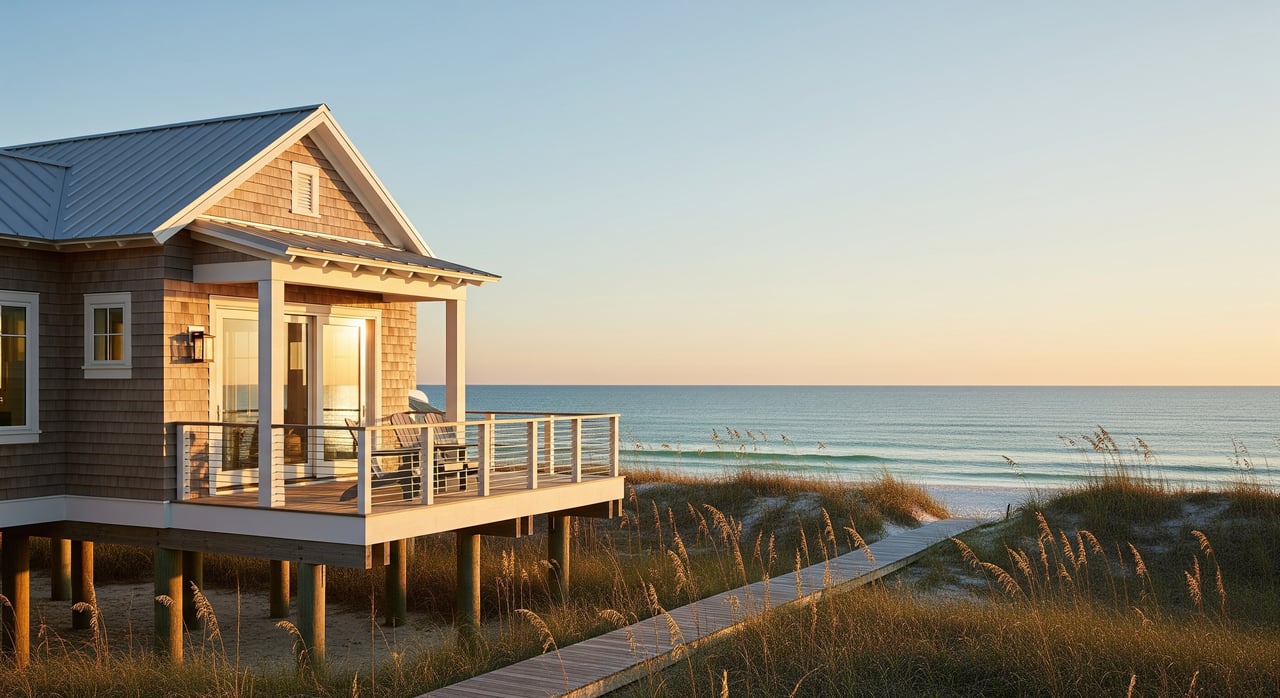
Homes elevated on pilings, with modern hurricane straps and impact-rated openings, often insure more favorably. Documented mitigation such as a wind-mitigation certificate can help. Lower-lying or older homes may face higher premiums or appraisal discounts.
Condos and HOA rules
For condos, lenders review the condominium project. Projects with heavy investor concentrations, litigation, or weak reserves can be ineligible for standard financing. HOA dues and any special assessments will count in your DTI and affect affordability. Also confirm rental rules upfront.
Septic systems and local infrastructure
Some properties use septic. Lenders and appraisers may require proof of proper function and permits. Septic repair or replacement can be costly, so factor that into your inspection and contingency planning.
Your step-by-step prep checklist
Before you shop
- Get a full mortgage preapproval from a lender experienced with Gulf County coastal properties.
- Confirm which product you need: conforming second home, jumbo, or portfolio.
- Discuss occupancy and any planned rentals so the loan is categorized correctly.
Gather the documents
- Photo ID and Social Security number.
- Two recent pay stubs, last two years of W‑2s, and last two years of tax returns. If self-employed: two years of personal and business returns plus a year-to-date P&L.
- Bank and asset statements for the last 2–3 months showing down payment and reserves.
- Documents for any other real estate owned: mortgage statements, tax bills, insurance declarations.
- If buying a condo: HOA budget, bylaws, and declaration, if available.
- Proof of rental income if it will be used for qualifying and allowed by your lender.
During escrow
- Order flood and wind insurance quotes right away and confirm coverage meets lender requirements.
- Schedule the appraisal and allow time for potential follow-up requests.
- Review HOA documents and any special assessments that impact your budget.
Smart questions for local lenders
- Do you regularly close second-home loans in Cape San Blas and Gulf County?
- For my price range, what down payment, score, and reserves do you require for conforming versus jumbo?
- How do you treat seasonal or short-term rental income for underwriting?
- What documentation do you require for flood and wind insurance, and are there carrier or policy feature requirements?
- Do you order extra inspections or use in-house appraisal reviews for elevated coastal structures?
Budgeting the full monthly number
Plan for more than principal and interest. Include:
- Property taxes and HOA dues.
- Flood and windstorm insurance. Get realistic quotes early.
- Utilities, seasonal maintenance, and a repair reserve.
- Cash reserves that your lender requires, often several months of PITI.
A clear budget helps you pick the right property and avoid surprises during underwriting.
Common pitfalls to avoid
- Counting on short-term rental income that the lender will not accept for a second-home classification.
- Underestimating flood or wind premiums. Always quote early.
- Shopping without a full preapproval from a lender familiar with barrier-island issues.
- Skimming condo documents and missing reserve or assessment concerns.
- Assuming the appraisal will be quick. Coastal appraisals can take longer.
Ready to start on Cape San Blas?
With the right plan, a second home on Cape San Blas can be within reach. Start with a strong preapproval, early insurance quotes, and a clear understanding of your down payment and reserves. If you want local guidance from a team that lives and works here, connect with Eli Duarte for a friendly, pressure-free conversation in English or Spanish.
FAQs
How much down do I need for a Cape San Blas second home?
- For many conventional second-home loans, plan on 10 to 20 percent down; condos, older properties, or higher-risk profiles can push requirements to 20 to 25 percent or more.
Can I use short-term rental income to qualify for the loan?
- Possibly, but rules are strict and many lenders treat frequent short-term rentals as investment properties, which require higher down payments and different underwriting.
Will flood insurance make my mortgage unaffordable?
- Flood premiums in coastal zones can be significant, so you should get quotes early and include them in your monthly budget before you finalize your offer.
Do second homes require more cash reserves?
- Often yes. Lenders commonly require about six months of PITI in reserves for second homes, and some situations call for six to twelve months.
Are there taxes or rules unique to Florida second homes?
- Florida has no state income tax, but you should plan for property taxes, HOA assessments, and any local requirements for short-term rentals if you choose to rent seasonally.