For five years the chalkboards downtown had to fudge it. "Gulf oysters." "Fresh oysters." Anything but the word that used to sit above the bar without explanation. Starting October 1, that word comes back. Wild Apalachicola oysters, pulled that morning from Cat Point or Easthole, are legal to harvest again for the first full fall since 2020.
If you live here, you already know the closure story. What you may not have thought through is how narrow the reopening actually is, and how much of your fall is about to be shaped by it.
"It's what I've done for a living all my life, besides drive a truck. It's in your blood." — Roger Mathis, oysterman, to WFSU in January
What Actually Changed On October 1
The next season runs October 1, 2026 through February 28, 2027, and every fall after this one follows the same October-to-February window. That's the new normal. The bay closes February through September so the oysters can spawn, and then the tags go out again.
The reopening is not a return to the old days. It is a carefully rationed test. Harvesting is permitted only on reefs that meet a minimum threshold of 400 legal-sized oysters per bag, and annual harvest levels are limited to 10 percent of available oysters. Four areas are open: Cat Point, Cat Point Spur, Peanut Ridge, and Easthole. Everywhere else in the bay is still closed.
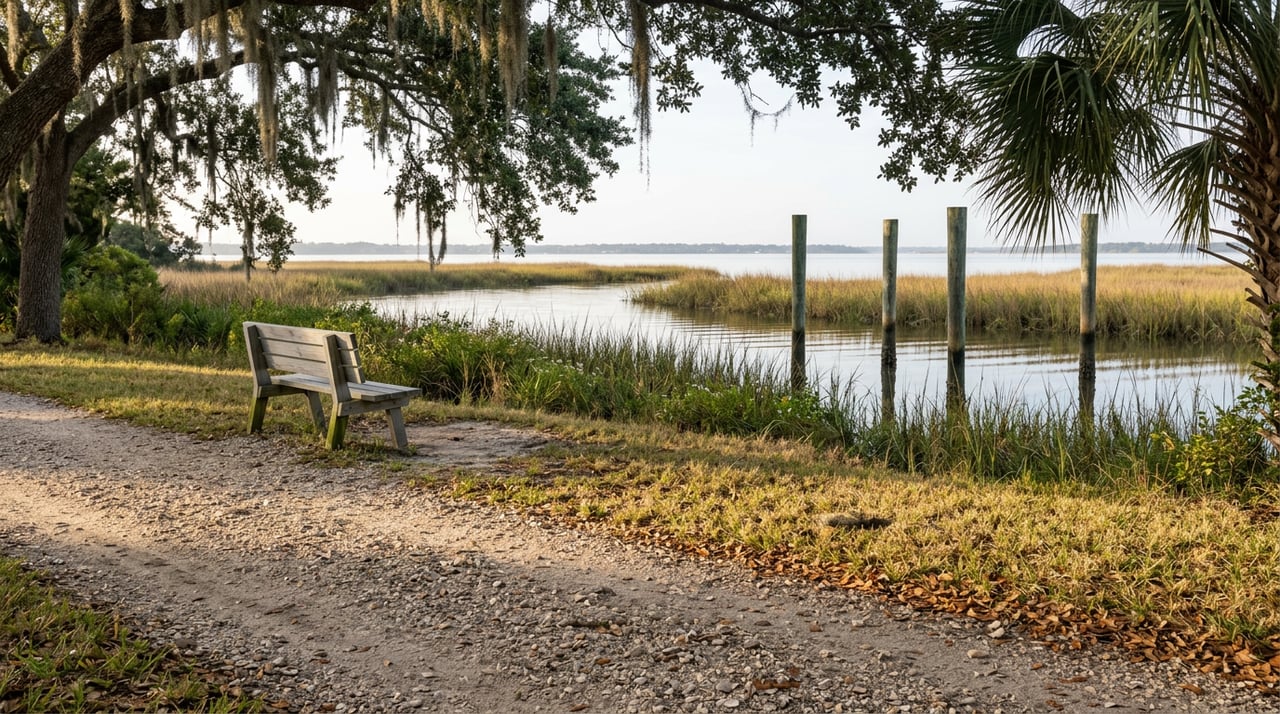
Put the scale in context. A Fish and Wildlife Conservation analysis found just 500 acres of suitable potential oyster habitat remain in the bay, down from the estimated 10,000 acres that existed historically, a 95% decline. The bay you look at from Battery Park is a fraction of the reef system it used to be, and this fall's harvest is a fraction of that fraction.
Here is what the math looks like for a single day on the water:
| Detail | This season |
|---|---|
| Open reefs | Cat Point, Cat Point Spur, Peanut Ridge, Easthole |
| Ecological threshold to open a reef | 400 legal-sized oysters per acre |
| Bag size | 60 lb (two 5-gal buckets or one 10-gal bucket) |
| Per-harvester limit | One bag per day per tag |
| Commercial permits available | Around 245 |
| Recreational permit | One bag per season, lottery-issued |
For the January pilot season, approved commercial endorsement holders shared roughly 4,700 bags available for harvest, and Apalachicola Bay Recreational Opportunity Permit holders could harvest one bag for the season. Expect fall to feel similar. That is why the "Apalachicola" board at your favorite raw bar will blink on and off through the season instead of staying lit.
Reading The Board At Barber's
The fastest way to know whether the boats are running is to drive past Barber's Seafood. If tagged bags are stacked on the dock, the bay is open that day. If it's quiet, it isn't.
Stephanie Shiver has owned Barber's with her husband for 33 years, after succeeding her parents, and she is the one setting the price the rest of the coast follows. During the January season she told WFSU that buyers were calling her to be sure they got "the first bag," and that the market, especially in the Panhandle, is eager to taste the distinctive saltiness that makes Apalachicola oysters so prized.
The chain from tong to plate is short and worth knowing. Oystermen bring tagged 60-lb bags to oyster houses, which then sell 30-lb boxes to restaurants and seafood markets. During the January season, a harvester like Roger Mathis was paid roughly $1 per pound of culled oysters, $60 per 60-pound bag, and before markets ran out, 30-pound boxes sold for around $75; Apalachicola restaurants were selling a dozen raw half-shell for $24.99. That is the going rate to keep in mind when you look at a menu this fall.
One thing the closure years changed that no one warned about. When the boats went back out in January, the oysters had grown beards. Lying unbothered during the moratorium, not only had oysters grown large, they'd grown beards. "Used to, they didn't have hair on them," says Roger Mathis. "They'd be as clean as they can be." The reefs are older, taller, hairier, and slower to work. Expect the boats to come in later than they used to.
The Festival Weekend, If You've Skipped It Before
You know the festival exists. You may have written it off as a tourist weekend. This is the one to actually walk down to.
The 63rd Annual Florida Seafood Festival runs November 6 and 7, 2026 at Battery Park, and it is the first festival in more than five years where the oysters in the shucking contest can legitimately have been pulled from the bay you are standing next to. Same shuckers, real oysters, from the same water.
The weekend structure has not changed much:
- Friday afternoon — Blessing of the Fleet at Battery Park. Clergy, joined by King Retsyo and Miss Florida Seafood, bless the parade of passing fishing, shrimp and oystering vessels; recreational vessels join in.
- Saturday 7:00 a.m. — Redfish Run 5K. Register in person on Saturday, November 7, 2026 at 7 a.m. in front of the Gibson Inn in Apalachicola. Cost for the Run is $30.00.
- Saturday 1–5 p.m. — Blue Crab Races at the top of each hour. Twenty contestants per race, free for children up to 12 with prizes for all participants.
- Saturday evening — Country music headliner at 8:30 p.m.
- All weekend — Oyster eating and shucking contests, the parade, Tonging for Treasure, arts and crafts.
Admission is free. If you have out-of-town family visiting for the season, this is the weekend to hold for them. If you don't, walking over from downtown for the Blessing of the Fleet at dusk is worth the twenty minutes.
Where To Actually Eat Them
Once the bay is open, the question is which kitchen is buying local instead of shipping in. That answer shifts week to week depending on who has tags out.
A few reliable stops through the fall:
The Station Raw Bar — the remodeled service station in the heart of downtown. Sit at the oyster bar and you can see what shell is being opened. Come for the game, stay for the food. With multiple TVs your favorite sporting event is always on. Sit at the Oyster Bar and enjoy some fresh Apalachicola Oysters as you enjoy the game. Local seafood caught daily.
Half Shell Dockside — river-view seating at the water. Music dockside most weekends.
Up the Creek Raw Bar — a funky waterfront raw bar at the mouth of Scipio Creek on the Apalachicola River, semi-self service, with a dog-friendly porch. The porch is the move on a cool November afternoon.
Lynn's Quality Oysters — the newer raw bar addition. The raw bar features raw, steamed or topped oysters, steamed shrimp, shrimp salad, seafood gumbo, beer and wine. Dine inside or outside on the deck as you watch the sunset over the Apalachicola Bay.
Hole in the Wall Seafood and Raw Bar — the takeout stalwart when you don't want to sit down.
Owl Café and The Tap Room — the fine-dining end of the block, wine list built for oysters.
Up To No Good Tavern at the Grill — the Historic Seafood Grill and Up To No Good folded into one room. Family friendly from 11–4:30. Adults 21+ only from 4:30–9. Seafood, pizza, steak, pasta, wings, burgers, appetizers.
If your morning starts before any of that opens, The Biscuit Factory and Apalachicola Chocolate & Coffee Company carry the room until noon. Bayside Coffee Co. is the small-batch Forgotten Coast roaster if you want to skip the tourist line.
The Rest Of The Season
The festival is one weekend. The rest of fall is the version of downtown that belongs to people who live here.
Apalachicola Oktoberfest in October pulls the shops open late, with German-inspired food and drink threading through Market Street.
Downtown Halloween turns Market and Commerce into a trick-or-treat route hosted by the businesses along the block. Local businesses participate by providing safe trick-or-treating opportunities for children, making it a favorite event for residents and visitors alike.
Apalachicola Yacht Club at 170 Water Street runs a steady live-music schedule right through the season. Check the marquee on your way to dinner and you'll usually find something for Friday or Saturday night.
WaterCraft Brewing is the sit-outside spot when the temperature finally drops. Regulars there will tell you the corner patio is the perfect spot to sit back, enjoy a drink, and watch the slow-moving life of the area. They've quietly added their own vodka to the tap-room lineup.
Apalachicola Bee Company finally gives Tupelo honey a downtown tasting room, small and sunny, worth the stop if you have visitors who have never tried it.
And if you can't get to the Seafood Festival, hold the date for the Apalachicola Oyster Cook-Off in late January. It's the Friday and Saturday before Martin Luther King Jr. Day at Riverfront Park, benefits the Apalachicola Volunteer Fire Department, with the Half-Shell Hustle 5K at 8 a.m., cook-off 12–5 p.m., no entrance fee. Smaller crowd, better chance to actually talk to the chefs.
Fall 2026 is the first fall in five years that downtown gets to be itself. The boats will be out at Cat Point most mornings the weather allows. Barber's will be open. The chalkboards will say "Apalachicola" again. That change is small on paper and enormous in practice, and it is happening on your block.
If you're thinking about what the return of the oyster industry means for your home's value, or if you have friends asking whether now is the moment to look at a place near the water, Eli Duarte and the Duarte Team have watched every version of this bay through two decades of storms, closures, and comebacks. Reach out for a free home valuation or a straight conversation about the fall market on the Forgotten Coast.