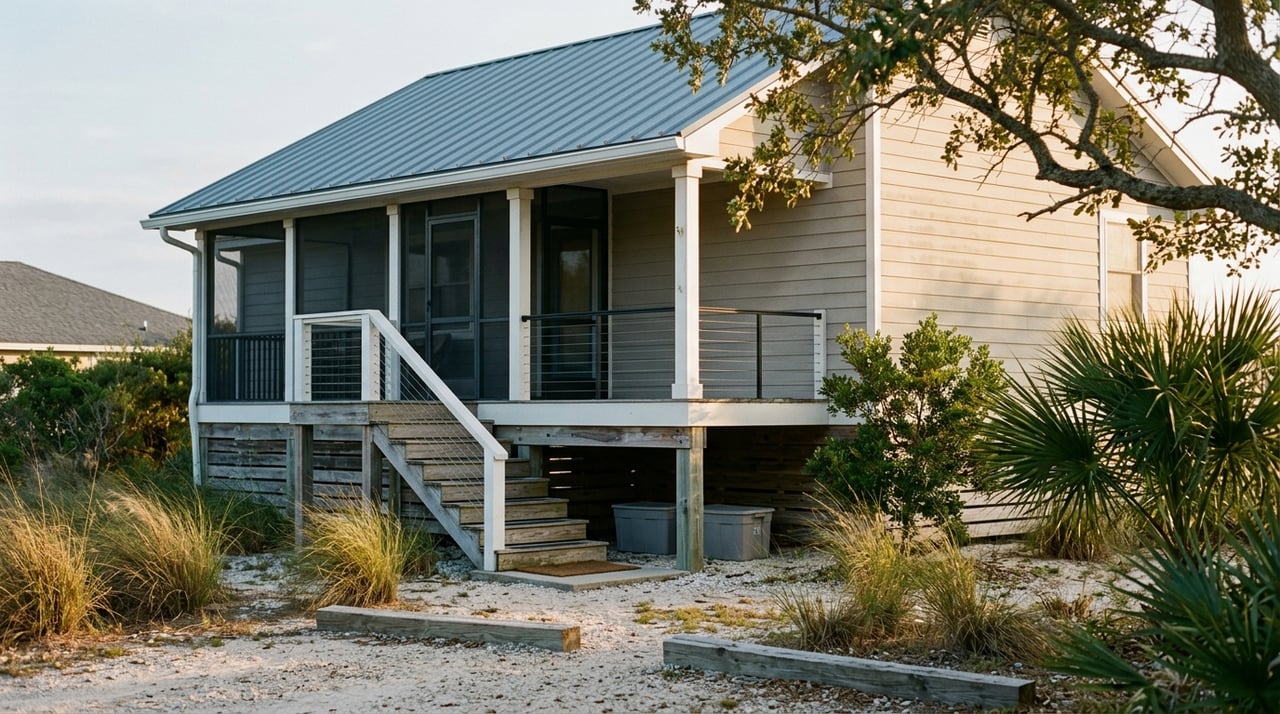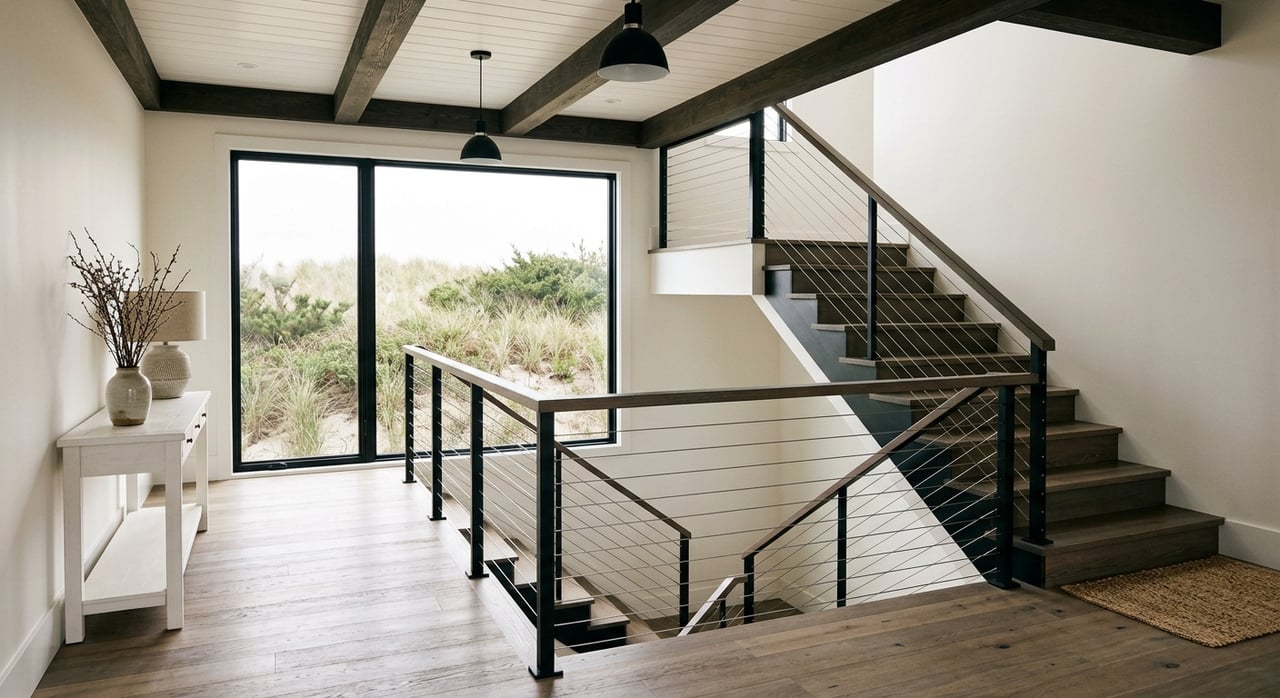
Buying a home or lot on Cape San Blas from out of town may sound risky, but it can be done with the right local process. If you are trying to balance work, travel, and a coastal purchase from miles away, you are not alone. The good news is that Gulf County offers several tools that make remote buying more practical, and a careful step-by-step approach can help you avoid costly surprises. Let’s walk through it.
Why remote buying works on Cape San Blas
Remote buying is more realistic here because Gulf County provides useful online resources for parcel research, floodplain review, and official records. You can review parcel information, flood zones, evacuation zones, evacuation routes, and recorded documents without being physically present. The county clerk also accepts e-recording for official records, which helps support a smoother long-distance closing process.
That said, Cape San Blas is not an ordinary market. Coastal homes and vacant lots require extra due diligence because flood exposure, elevation, and coastal construction rules can directly affect your costs and plans. If you treat this like a standard inland purchase, you could miss important details.
Start with county data first
Before you get attached to listing photos or beach views, begin with the property itself. Gulf County’s GIS tools can help you confirm parcel boundaries, flood zones, evacuation zones, and evacuation routes. Official records can also help you review deeds, mortgages, liens, plats, and tax deeds.
This first step matters because online listings do not tell the full story. A beautiful property may still come with floodplain concerns, access questions, or recorded issues that deserve a closer look. Starting with county data helps you build your decision on facts instead of marketing.
Check flood information carefully
Flood review should happen early, not after you are emotionally invested. Gulf County’s flood office keeps flood maps, elevation certificates, historical flooding data, and floodplain guidance. The office can also arrange a site visit if needed.
There is one important caution here. Gulf County’s property appraiser notes that the flood map shown on its own site is still preliminary and directs users to FEMA for the current flood map. That means you should not rely on one source alone when reviewing flood exposure.
Review evacuation routes and zones
Cape San Blas buyers should also check evacuation zones and routes as part of the early research stage. Gulf County’s GIS includes both, which makes this review easier for remote buyers. This is especially useful when you are comparing homes or lots in different parts of the peninsula.
Knowing the route and zone does not just help with storm planning. It also gives you a better sense of practical access and how the property fits into the realities of coastal ownership.
Tour virtually, then inspect fast
A remote purchase often starts with a live video tour. That can help you narrow down the right property and move quickly when inventory is limited. Still, a virtual walkthrough should never replace an independent inspection.
Once you are under contract, schedule the inspection as soon as possible. A quick inspection timeline gives you time to uncover issues, request repairs, renegotiate, or cancel if your contract allows. On a coastal property, this timing is even more important because you may need extra review beyond a standard home inspection.
What to focus on during due diligence
For a Cape San Blas property, your review should go beyond the basics. You will want to verify:
- Flood exposure
- Elevation-related information
- Physical access to the site
- Whether any part of the property is seaward of the Coastal Construction Control Line, or CCCL
- Any lot-specific buildability questions if you are buying land
If you are buying a house, these issues can affect insurance, future improvements, and long-term ownership costs. If you are buying a lot, they can shape whether and how you may be able to build.
Use electronic signing the right way
Florida law supports electronic signatures in real estate transactions in many situations, which is one reason remote buying can work so well. In general, an electronic signature can have the same force and effect as a written signature unless another law says otherwise. Florida’s electronic-recording law also recognizes electronic documents and electronic signatures for recording when the required information is properly attached or associated.
For deeds and conveyances, Florida still generally requires two subscribing witnesses. The witnesses may sign electronically through audio-video communication technology. This is one reason remote buyers should make sure the title and closing team is organized and familiar with the process.
Budget for flood insurance early
One of the biggest mistakes remote coastal buyers make is treating flood insurance like a later detail. Gulf County states that homeowners insurance does not cover flood damage. The county also notes that flood insurance has a 30-day waiting period before coverage takes effect.
That means flood insurance should be part of your budget review from the start. Gulf County also notes that its CRS program can reduce rates by 5% to 40%, which is helpful, but it does not remove the need for early planning.
Understand CCCL rules before closing
On Cape San Blas, coastal construction questions can go beyond the house itself. Gulf County maintains a CCCL page, and the Florida Department of Environmental Protection says construction seaward of the CCCL may require a permit and special siting and design review. The CCCL program is intended to protect beaches, dunes, upland property, public access, native vegetation, and marine turtles.
If any part of the site is seaward of the CCCL, this should be reviewed before closing. This is especially important if you plan to build, add to an existing structure, or make major site improvements later.
Buying a lot requires extra review
Vacant land on Cape San Blas can be appealing, but lot purchases need a more detailed checklist. Gulf County says that as of January 1, 2025, septic permits are issued through the Florida Department of Environmental Protection portal. Before applying, the landowner must first confirm county ordinance and density requirements.
In simple terms, do not assume a lot is ready for your plans just because it is listed for sale. Buildability review should happen before closing, including septic questions, density requirements, and any permit sequencing that may affect timing.
Do not forget address assignment
If you are buying a lot, there is another practical post-closing step. Gulf County’s E-911 form says the owner should obtain an official address before permitting and display the address on the site. It is a small detail, but it can become important quickly once you move toward development.
Close remotely and protect your funds
Florida has authorized online remote notarization since January 1, 2020. Under current law, the online notary may notarize even if the signer or witnesses are outside Florida, as long as identity is confirmed through live audio-video, ID credential analysis, and identity proofing. This gives remote buyers a workable path to complete closing without traveling in for signing.
After signing, Gulf County’s clerk offers e-recording for official records, including deeds, mortgages, liens, plats, and tax deeds. The clerk also notes that document preparation is the customer’s responsibility and that documentary stamp tax and intangible tax are collected when applicable. In other words, remote closing can be efficient, but it still requires careful coordination.
Watch for wire fraud and email scams
Closing funds need special care. Mortgage-closing scams often involve last-minute emails that try to change wiring instructions. A safe rule is to verify any money-related request using contact information you found independently, not from the email itself.
You should also avoid emailing financial information when possible. A small pause to verify instructions can prevent a very expensive mistake.
Finish the final details after closing
Once the purchase is complete, make sure you handle the remaining practical steps. For lot owners, that may include obtaining an official address before permitting. For buyers who plan to rent out the property, Gulf County’s building department site links to short-term vacation rental business-license materials and a rental inspection record.
These are the kinds of local details that matter in a coastal market. They are also part of why many out-of-area buyers benefit from working with a local guide who can help keep the process moving from contract to closing and beyond.
Why local coordination matters
A remote Cape San Blas purchase can involve GIS research, floodplain review, official records, building questions, septic verification, title work, and remote notarization. That is a lot to manage from another city or state. Having one local point of contact can make the process more organized and much less stressful.
For buyers looking at second homes, investment property, or vacant land, clear local guidance is often what turns a complicated transaction into a confident one. The goal is not just to get to the closing table. The goal is to make sure you know what you are buying and what comes next.
If you are planning a remote purchase on Cape San Blas, a local team can help you sort through the county data, flag coastal issues early, and coordinate the moving parts with a practical step-by-step plan. When you are ready to talk through your goals, connect with Eli Duarte for local guidance you can count on.
FAQs
Can you buy a home on Cape San Blas without visiting in person?
- Yes. Florida law supports electronic signatures, electronic recording, and online remote notarization, which means many purchases can be completed remotely if the lender, title company, and recording requirements align.
Do you still need a home inspection for a remote Cape San Blas purchase?
- Yes. An independent inspection should be scheduled as soon as possible after going under contract so you have time to review issues and respond based on your contract terms.
What should you check first when buying remotely on Cape San Blas?
- Start with Gulf County data, including parcel boundaries, flood zones, evacuation zones, evacuation routes, and official records such as deeds, liens, plats, and mortgages.
Why is flood insurance important for Cape San Blas buyers?
- Gulf County states that homeowners insurance does not cover flood damage, and flood insurance has a 30-day waiting period, so it should be reviewed early in your budget and planning.
What is the CCCL and why does it matter on Cape San Blas?
- The Coastal Construction Control Line is a state coastal boundary that can affect siting, design, and permitting. If a property is seaward of the CCCL, additional rules or permits may apply.
What extra steps matter when buying a vacant lot on Cape San Blas?
- You should verify septic requirements, county ordinance and density compliance, permit sequencing, and post-closing address assignment before moving forward with building plans.
Can you close remotely on a Cape San Blas property purchase?
- Yes. Florida allows online remote notarization, and Gulf County’s clerk offers e-recording for official records, which supports remote closings when the parties and documents are properly prepared.