Love the idea of stepping off your back deck and cruising straight to the Gulf? Buying waterfront in Carrabelle can make that dream real, but the best buys come when you understand boat access, permitting, flood and insurance details, and how these factors affect price. You want a smooth path from offer to launch day with no costly surprises. This guide gives you clear steps, local context, and the paperwork to request so you can buy with confidence. Let’s dive in.
Why Carrabelle waterfront works
Carrabelle sits on the Carrabelle River where it meets St. George Sound, with quick access to the Gulf and a connection to the Gulf Intracoastal Waterway. If you plan to run larger boats or want short transits, confirm approach depths and local shoaling patterns for your vessel size. You can review local planning context and waterway access in the city’s comprehensive plan for added background on geography and use patterns (Carrabelle Comprehensive Plan).
Local marinas and boatyards support fueling, pump-outs, transient slips, and repairs. For example, C‑Quarters Marina publishes services and events that draw boaters. Proximity to full-service marinas often adds daily convenience and can increase market appeal to boating buyers.
Common waterfront options
You will see a mix of property types around Carrabelle:
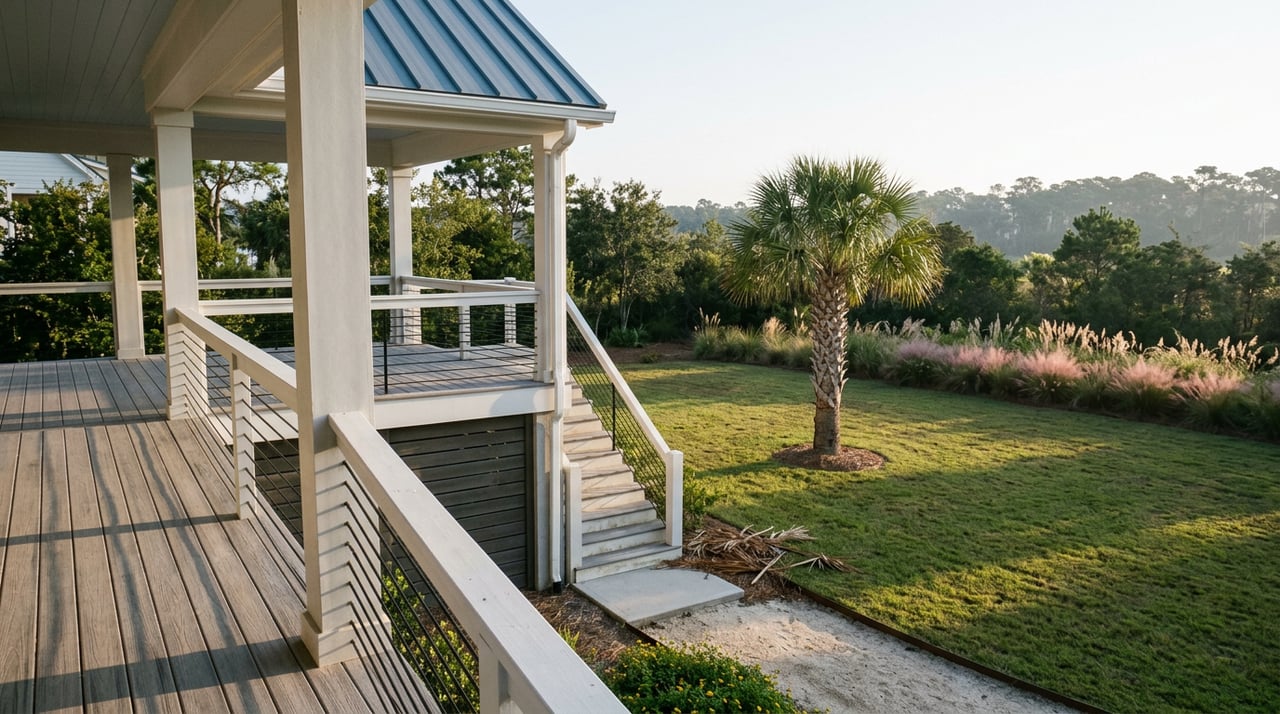
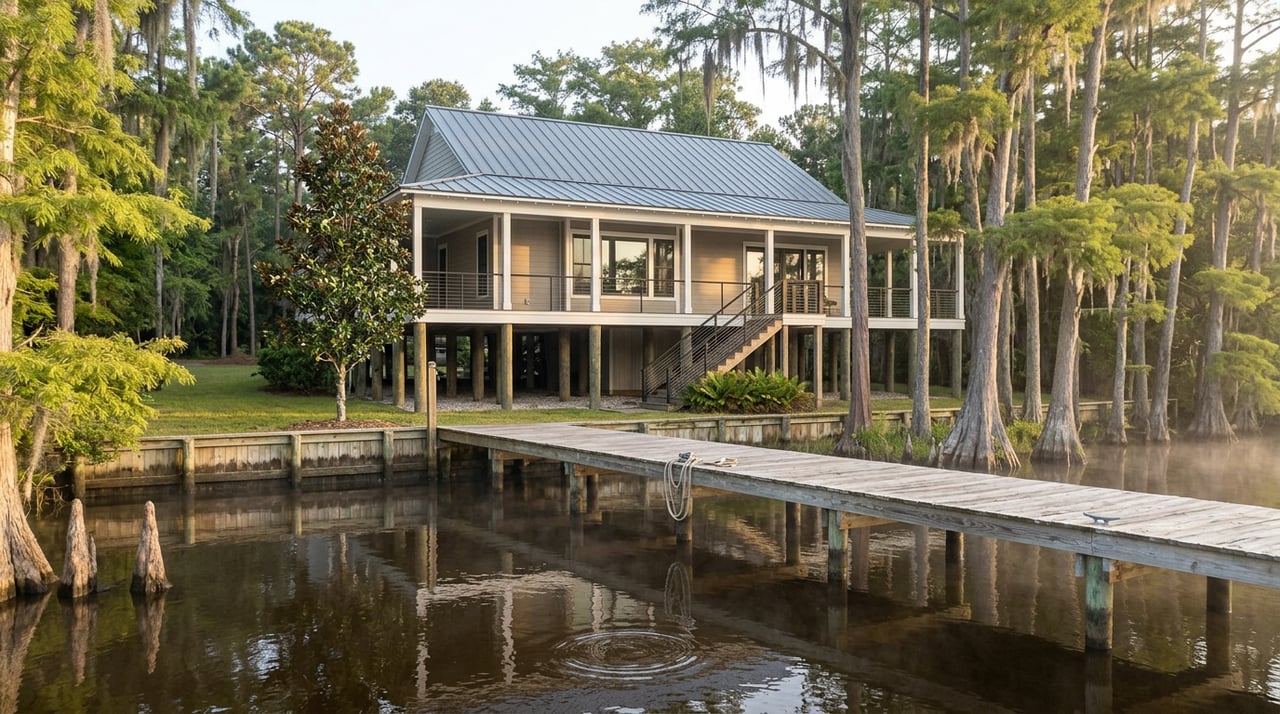
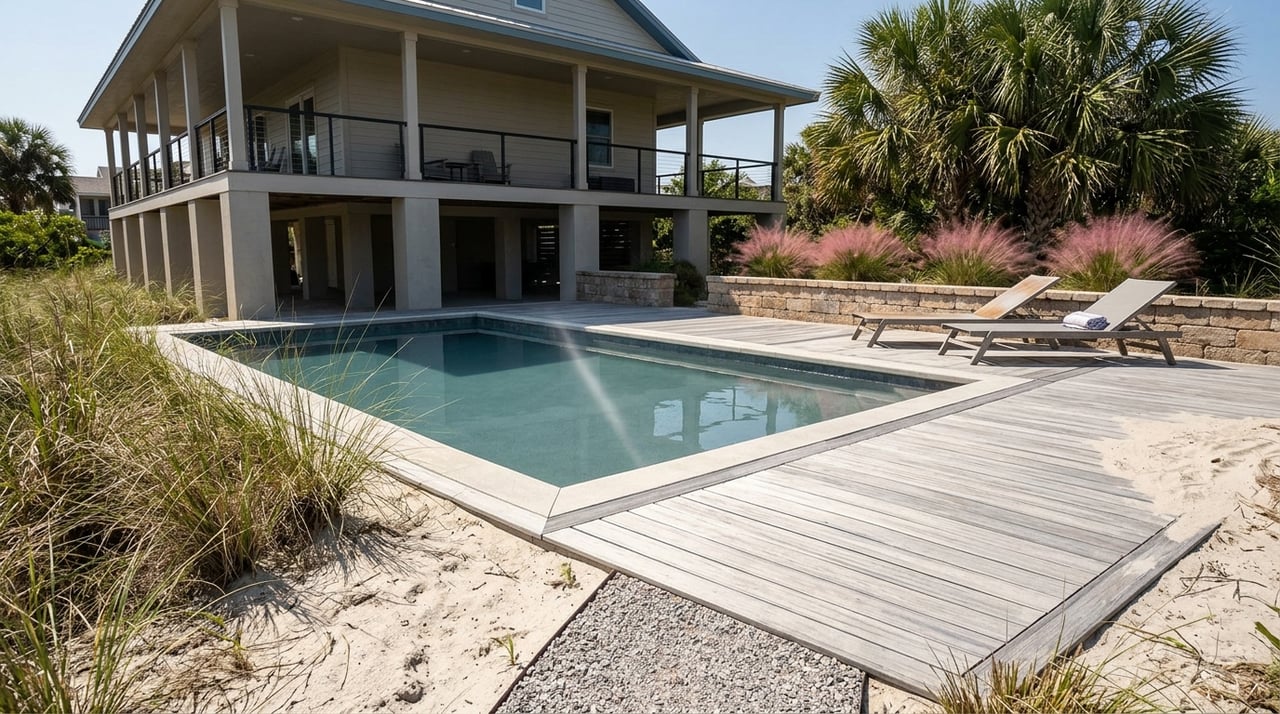
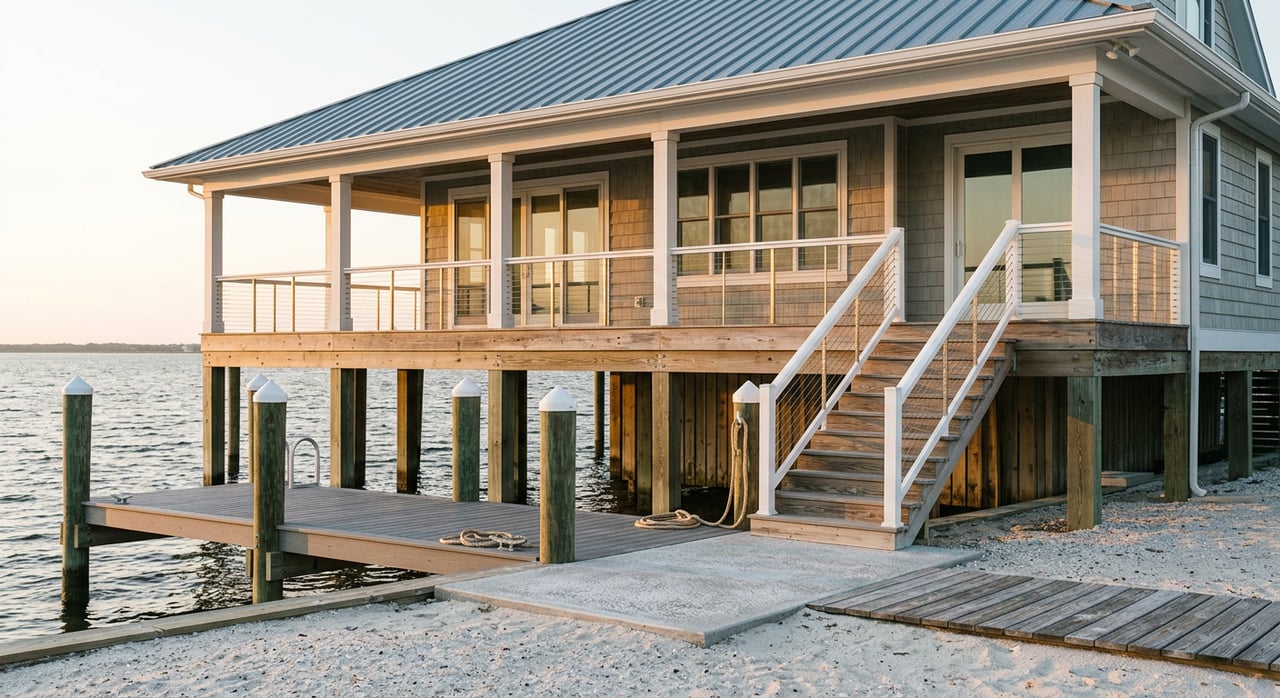
- Bayfront single-family homes, often elevated on pilings for coastal resilience.
- Riverfront cottages and renovated homes with docks.
- Waterfront lots for custom builds, sometimes with existing dock structures or permits.
- Condo or hotel-associated slips and units near marinas.
- Inland homes with deeded or community water access.
Always verify whether “waterfront” means direct riparian frontage or a shared or HOA access arrangement. The city planning materials outline typical development patterns and utilities in the area (Carrabelle Comprehensive Plan).
Boat access, marinas and ramps
If you do not need a private ramp, know that the city and county maintain multiple public boat ramps around town. Many buyers combine a private dock for daily access with public ramps for launching or trailering larger vessels.
For slip, fuel, and service, Carrabelle’s marinas are a major plus. Facilities such as C‑Quarters Marina provide fuel, pump-outs, transient slips, and local knowledge. Always confirm approach and dock depths with the marina before assuming large-boat access, and ask about slip availability or waitlists.
Permits, docks and submerged lands
Local permitting
Franklin County permits docks, seawalls, riprap, boat lifts, and repairs through its zoning and permit office. Before you make an offer, ask the seller for copies of original permits, any repair permits, and as-built drawings for shoreline structures. Review the county’s permitting framework here: Franklin County Zoning Permits.
State rules for docks and state-owned bottoms
Florida’s DEP regulates construction in or over state waters through the Environmental Resource Permit program. Some single-family docks qualify for a self-certification pathway if they meet specific criteria, while other projects require individual or general permits and authorization to use state-owned submerged lands. Confirm whether a dock sits on sovereign submerged lands and whether any lease or authorization is current and transferable. Learn more at DEP ERP and submerged lands.
What to verify on a listing
- Whether the dock and any lifts were built under valid county and state permits.
- If the structure occupies state bottomland, whether there is a submerged-land lease or recorded authorization and if it transfers at closing.
- Dock dimensions and configuration comply with current rules.
- Any recorded easements or HOA agreements that affect riparian access rights.
Flood zones, insurance and financing
Flood mapping and lender rules
Many Carrabelle parcels lie in coastal flood zones. If your home is in a Special Flood Hazard Area and you finance with a federally related mortgage, your lender will require flood insurance. Pull the exact FEMA FIRM panel and confirm the Base Flood Elevation for your parcel using the county’s hosted FIRM resources (Franklin County FIRM panels).
Risk Rating 2.0 and elevation data
FEMA’s Risk Rating 2.0 bases NFIP premiums on property-specific risk, not just the mapped zone. An Elevation Certificate is no longer required to buy NFIP coverage, but surveyed elevations can still impact rating or support a Letter of Map Amendment if the lowest floor is above BFE. Ask insurers whether providing an existing Elevation Certificate or ordering a new one would lower your premium (Risk Rating 2.0 overview).
Homeowners and wind coverage
Coastal homeowners policies often separate wind and hurricane coverage. Discounts for wind mitigation features like roof-to-wall straps, opening protection, and secondary water barriers can materially reduce premiums. Get quotes that reflect documented mitigation and confirm availability with a licensed Florida agent, including state-backed options if private coverage is limited.
Boat and dock liability
Standard homeowners policies may limit boat coverage and liability arising from dock operations. If you plan to keep a vessel on a private lift or under a marina contract, get a dedicated boat policy and ask about dock or contract liability requirements. A marine insurer’s primer can help you understand coverage types and limits (BoatUS boat insurance basics).
Value drivers to weigh
Marina proximity
Close access to full-service marinas can add day-to-day convenience for fueling, pump-outs, and repairs, which many buyers and renters value. Confirm whether a slip conveys, whether there is a transfer fee, or if you will need to join a waitlist at nearby facilities.
Water quality and fisheries
Clean, productive waters are an asset. Research shows buyers often pay premiums for higher water quality and penalize properties near impaired waters. In the Apalachicola and Carrabelle region, seafood and recreational fishing play important roles, so environmental health can influence long-term property values (UF/IFAS regional overview).
Maintenance risk versus price
Private docks, bulkheads, and lifts require ongoing care. If an inspection shows aging pilings, deck wear, or electrical issues, get written bids and consider repair escrows or price adjustments. Always verify that your planned repairs or upgrades are permit-eligible before you finalize negotiations.
Step-by-step due diligence
Use this checklist before you waive inspections or contingencies:
Parcel basics
- Get the parcel ID and pull the Franklin County Property Appraiser record for the legal description and improvements (Property Appraiser search).
- Request the seller’s survey and confirm riparian frontage. If none exists, budget for a new survey.
Flood and elevation
- Pull the FEMA FIRM panel and note the flood zone and BFE for the property (County FIRM panels).
- Ask if an Elevation Certificate exists and check with insurers if a new EC would improve pricing (Risk Rating 2.0 guide).
Docks, seawalls and submerged lands
- Collect all dock and seawall permits, as-builts, and maintenance records.
- Confirm whether a submerged-land lease or authorization exists and whether it transfers. Review local permitting steps at Franklin County Zoning and state rules at DEP ERP.
- Hire a local marine contractor to inspect pilings, decking, lifts, electrical, and any bulkhead.
Utilities and wastewater
- Confirm water source and whether the property is on public sewer or septic.
- For septic, request permit records and a current functional inspection from a licensed provider and verify status with the county health department.
Title and easements
- Order a title search that flags any easements, shared access agreements, or HOA covenants affecting the shoreline or dock use.
Insurance and underwriting
- Get multiple quotes that break out homeowners, wind or hurricane coverage, and flood.
- If you will keep a boat at the property, request a quote for the vessel and ask about a dock or contract liability endorsement (BoatUS coverage primer).
Environmental and navigation context
- Ask the seller about past flood or erosion issues and any shoreline repair history.
- For large-vessel plans, confirm typical channel depths and local shoaling patterns with marinas and boatyards.
Local marine services
- Introductions to nearby marinas, mechanics, and haul-out yards save time. Ask about transient slip availability and any insurance requirements for dockage.
Pricing and negotiation tips
- Weigh convenience against maintenance. Waterfront with a newer dock near a full-service marina can carry a premium. Balance that value with expected upkeep and insurance costs.
- Use bids, not guesses. If inspections reveal dock or bulkhead work, get written estimates and negotiate price, credits, or escrowed repairs subject to permitability.
- Clarify what conveys. Confirm whether boat lifts, mooring hardware, or slip assignments transfer at closing, and if any fees apply.
- Validate access. For larger boats, confirm approach depths at both the property and your preferred marina.
Local resources at a glance
- Franklin County Zoning and Permits office for docks, seawalls, lifts, and repairs.
- Florida DEP for Environmental Resource Permits and submerged-land authorizations.
- FEMA FIRM panels hosted by Franklin County for flood zones and BFEs.
- Franklin County Property Appraiser for parcel records and legal descriptions.
- Local marinas for fueling, pump-outs, slips, and service contacts.
Ready to explore listings and line up the right inspections and permits? Connect with Eli Duarte for hands-on, local guidance from offer to closing. Hablamos español.
FAQs
What types of waterfront homes are common in Carrabelle, Florida?
- You will find bayfront homes on pilings, riverfront cottages, buildable waterfront lots, condo or hotel-associated slips, and inland homes with deeded or community access.
How do dock permits work in Franklin County?
- The county permits docks, seawalls, lifts, and repairs, and some projects also need Florida DEP authorization for work over state waters. Always request copies of permits and verify any submerged-land lease.
Do I need flood insurance for a Carrabelle waterfront home?
- If the property lies in a Special Flood Hazard Area and you use a federally related mortgage, lenders will require flood insurance. Check the exact flood zone and BFE on the county-hosted FEMA FIRM panels.
What should I ask insurers about boat and dock coverage?
- Ask for a dedicated boat policy, confirm liability coverage for your dock or marina contract, and provide any Elevation Certificate or wind-mitigation documents to seek discounts.
How does marina proximity affect value in Carrabelle?
- Being near full-service marinas often increases appeal to boaters and renters because fueling, pump-outs, and repairs are easier. Confirm slip availability and any transfer or waitlist policies.
What documents should I request from the seller for a waterfront purchase?
- Ask for dock and seawall permits, any Elevation Certificate, septic or utility records, recent surveys, and a title commitment that describes riparian frontage and any shoreline easements.