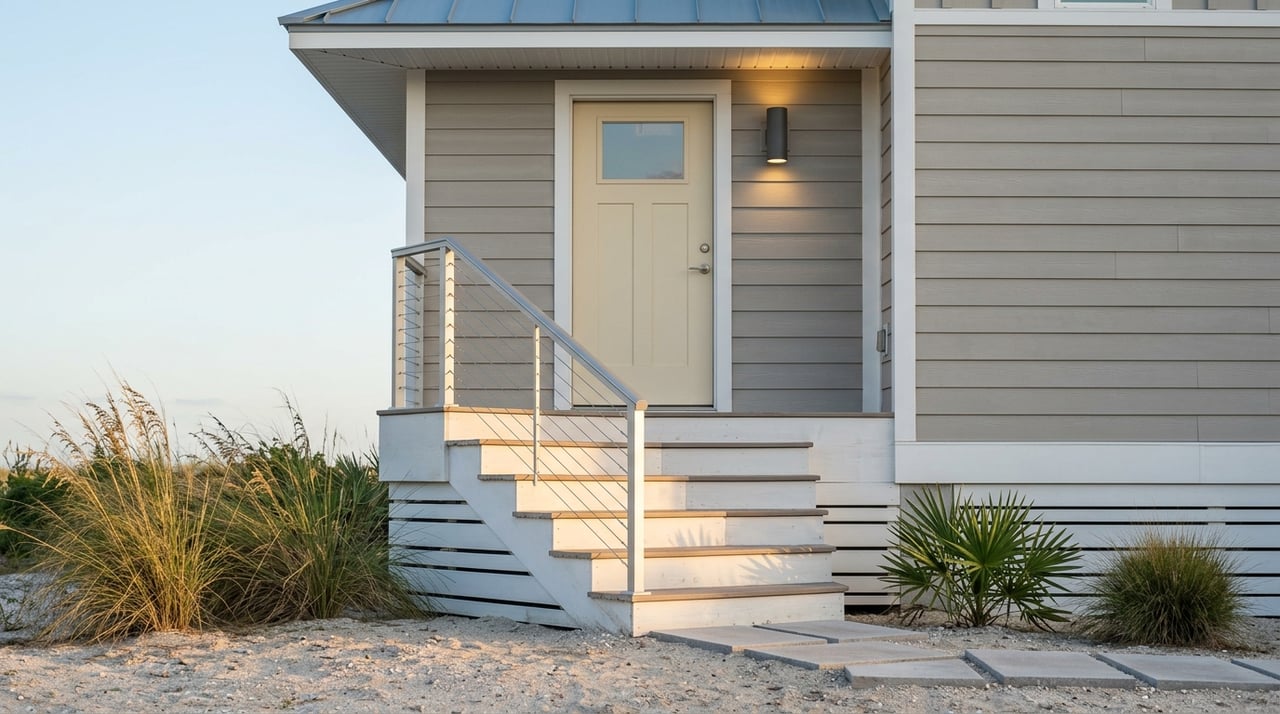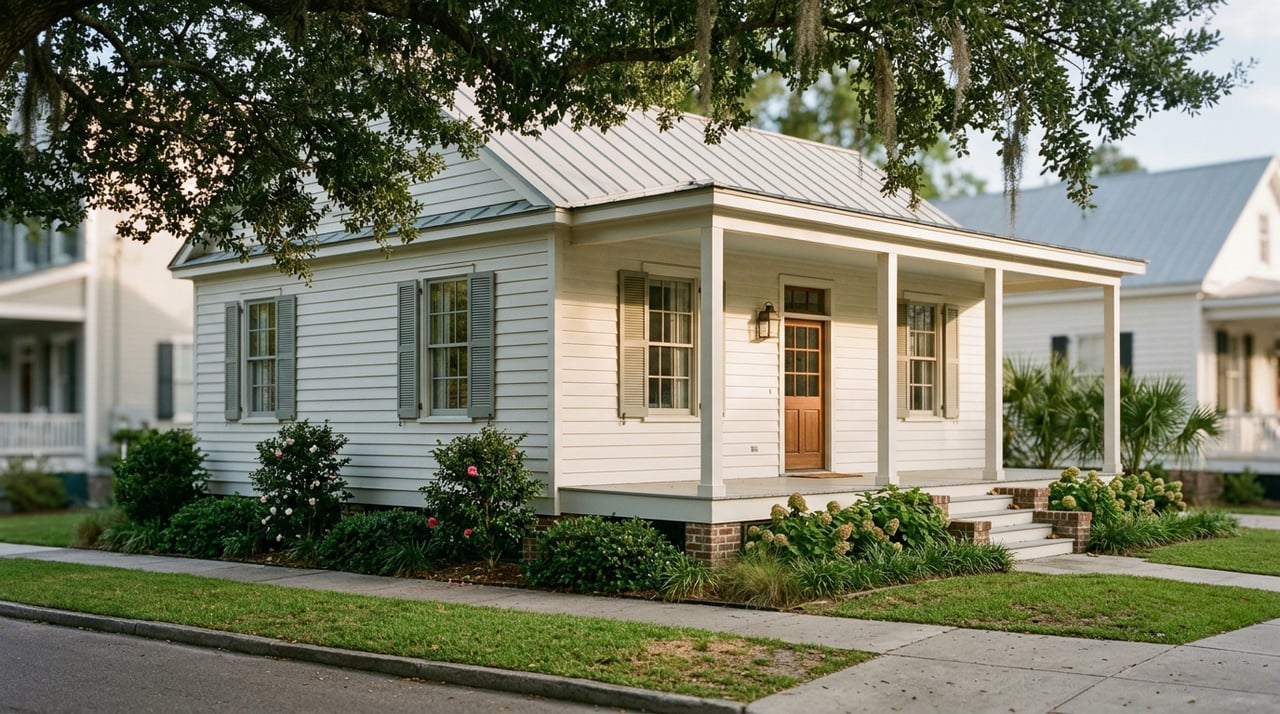
Do wide front porches, tall windows, and hand‑worked wood details make your heart skip a beat? If you are picturing yourself in an Apalachicola classic, you are not alone. Historic homes here offer beauty and a walkable small‑town rhythm, but they also come with unique inspections, permits, and insurance steps you will want to plan for. In this guide, you will learn what to expect architecturally, how to spot and budget for age‑related issues, and which local offices and resources to contact first. Let’s dive in.
Why Apalachicola’s historic homes stand out
Apalachicola’s core is a designated historic district on the National Register of Historic Places. The Apalachicola Historic District includes homes from the early 1800s through the mid‑1900s with Mid‑19th Century Revival, Late Victorian, and early 20th‑century styles. You will see Greek Revival merchants’ houses, Queen Anne and Colonial Revival gems, bungalows, Gulf‑coast cottages, and shotgun cottages that reflect the area’s port history and town plan. For a deep architectural overview, review the official National Register nomination.
Local homes often feature broad verandas, entrance galleries, shingled surfaces, and hip roofs. Many are wood‑frame structures built from locally harvested pine and cypress, which adds warmth and character. That maritime and lumber past is visible in the materials, trim work, and siting patterns across town.
The lifestyle is a major draw. Downtown is compact and walkable around Market Street and Seville Square, with year‑round house and garden tours. The David G. Raney House and other heritage sites make it easy to get to know the town’s story. You can plan a visit or tour through the Apalachicola Area Historical Society.
The trade‑offs: charm and upkeep
Historic coastal homes reward you with character, but they also need consistent care. In Apalachicola’s humid, salt‑air climate, you should budget and inspect for the items below.
Moisture and wood rot
Many houses are timber‑framed or wood‑clad. Rot can show up in porch framing, sill plates, crawlspaces, and sub‑floor assemblies if moisture control is not dialed in. Check gutters, downspouts, grading, and ventilation, and inspect the crawlspace closely.
Termites and other WDOs
Florida’s climate supports active termite species and other wood‑destroying organisms. A WDO inspection and state‑recognized report is standard and often required by lenders. Learn what to ask and how services work using this UF/IFAS overview of WDO inspections and prevention.
Foundations and low‑lying sites
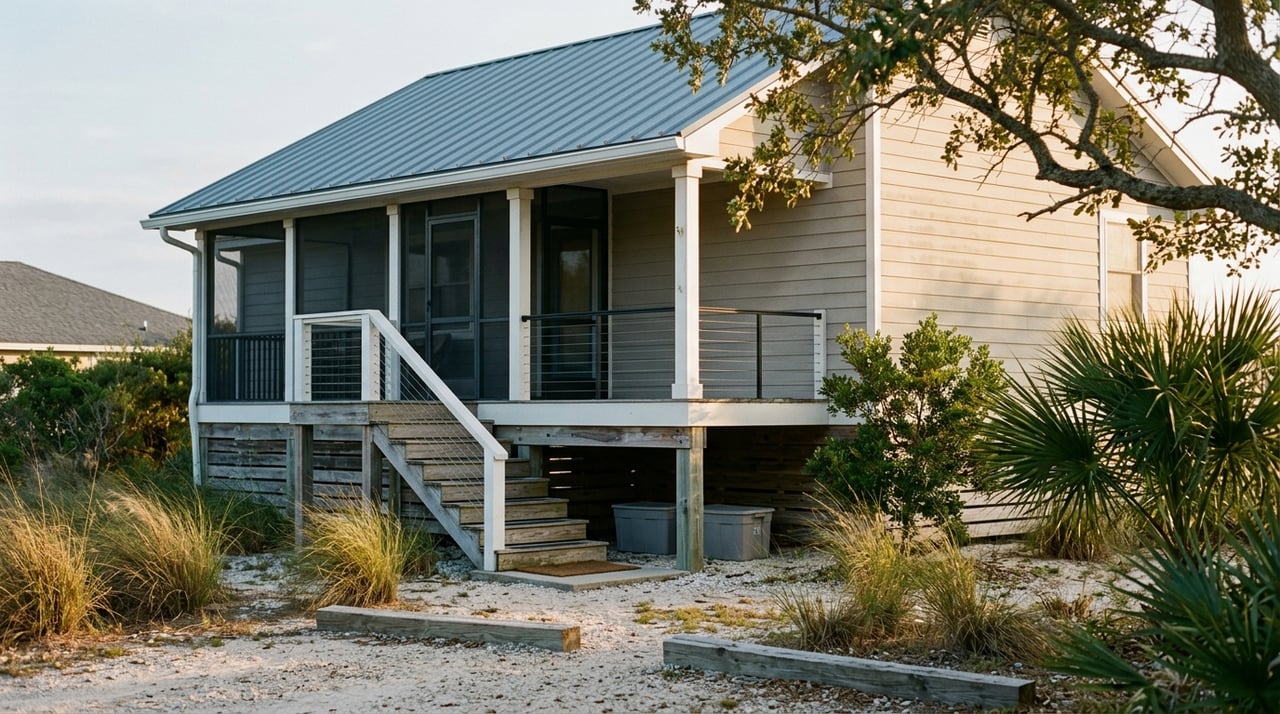
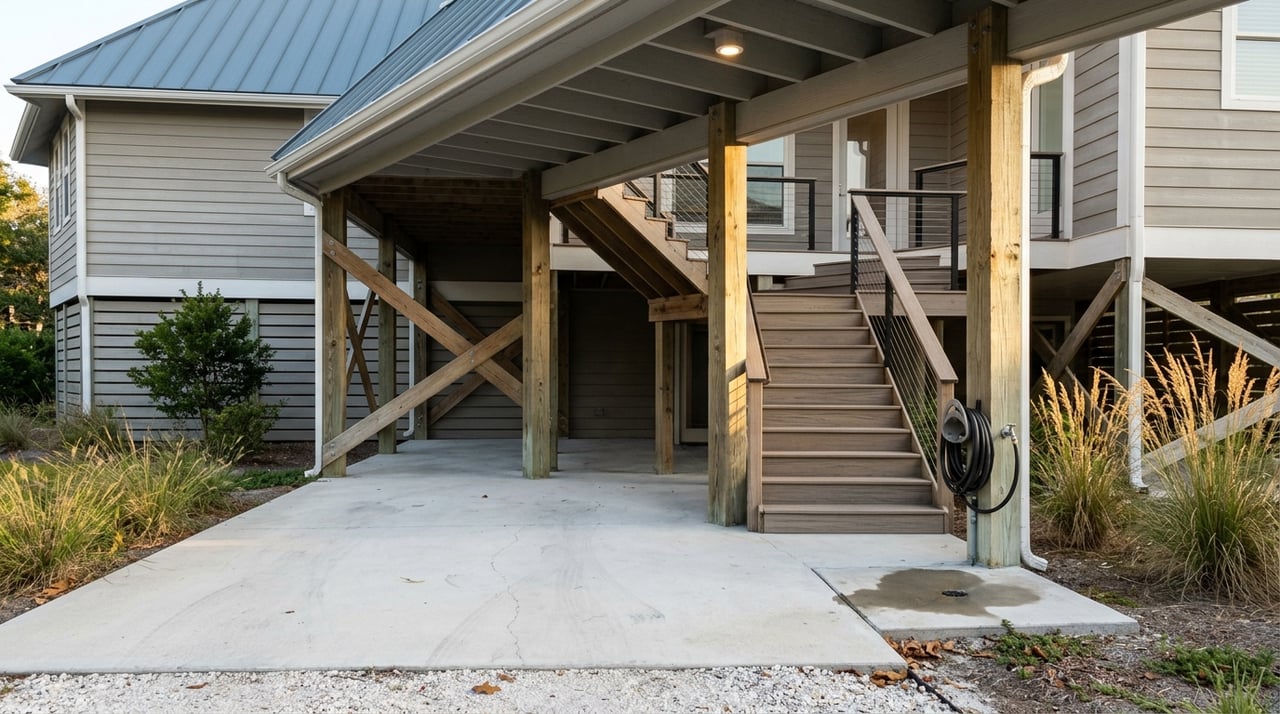
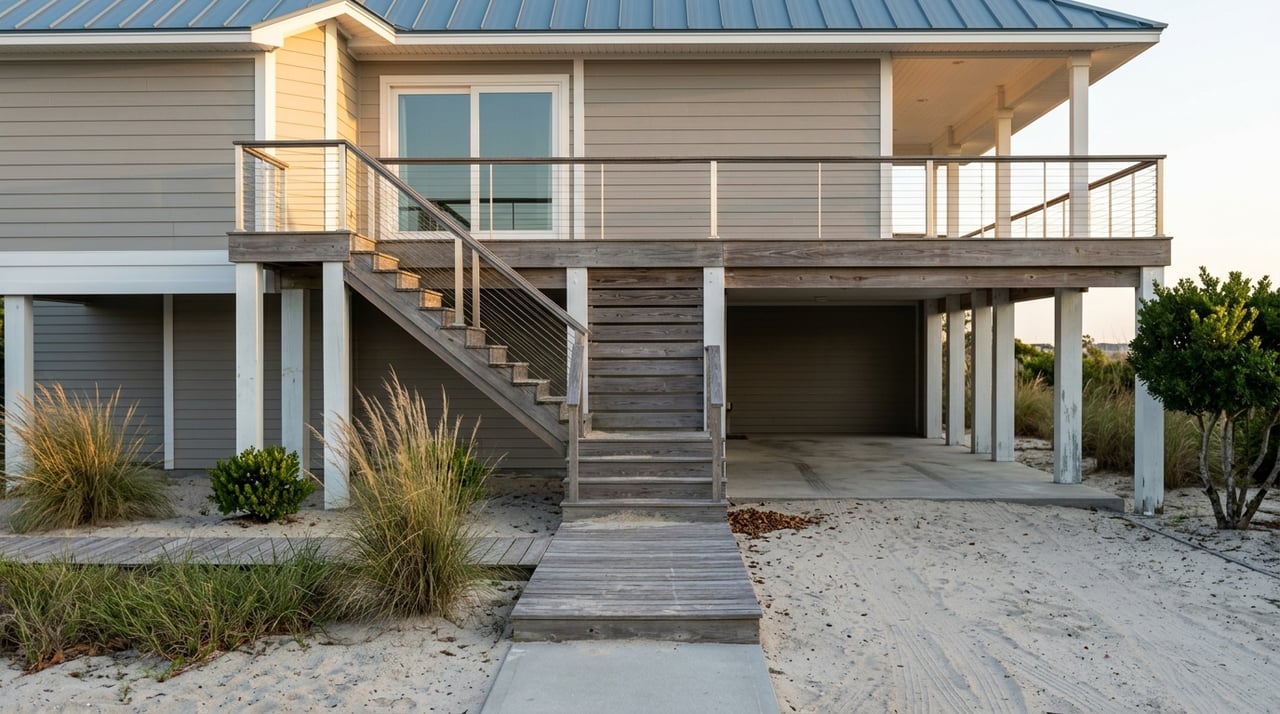
Homes near the bay or river often sit on piers or raised foundations with crawlspaces. Watch for settlement, pier or piling deterioration, and signs of recurrent moisture. If the house is in a flood‑prone zone, elevation and drainage planning become even more important.
Roofs, flashing, and exterior trim
Historic metal or wood roofs can last, but only with the right maintenance and flashing details. Porch roofs are common leak points that can lead to interior and structural damage. Expect periodic repainting or wood repair to preserve siding, shingles, and trim.
Systems and potential hazards
Older homes may have undersized electrical service, obsolete wiring types, galvanized or cast‑iron plumbing, and aging HVAC. Insulation and ducting may be minimal. Where relevant, plan for testing and safe handling of potential lead‑based paint or historic asbestos materials during renovation.
Flood risk and insurance basics in a Gulf town
Flood due diligence should start early in your search. First, check the address in the official FEMA Map Service Center. If the home is in a Special Flood Hazard Area, a federally backed lender will require flood insurance. Ask the seller or the local floodplain administrator whether an Elevation Certificate exists, or budget for a new one. For what an Elevation Certificate is and how it helps with premiums, see this NFIP resource for agents on Elevation Certificates.
Under FEMA’s Risk Rating 2.0, first‑floor height and other property features affect NFIP pricing. The certificate often helps your agent quote more accurate rates and may lower your cost. Flood insurance through the NFIP is common, and private flood options also exist. NFIP policies usually have a waiting period of about 30 days, so speak with an insurance agent early in escrow and compare coverage with private markets. Start with FloodSmart’s overview of flood insurance costs and factors.
Historic structures may have special considerations for flood management. FEMA and the National Park Service provide guidance on adapting historic buildings while preserving key features. Review the NPS Guidelines on Flood Adaptation for Rehabilitating Historic Buildings and consult the local floodplain manager before planning major retrofits.
Permits, design review, and incentives
If the property is inside the city’s Historic District, plan for design review on exterior changes. The City of Apalachicola requires consultation with the Planning Department before issuing permits for new construction and exterior work in the Historic District, and some projects need a Certificate of Appropriateness. The city has also adopted a building policy that will require impact‑resistant glass for new or replacement windows and doors starting January 1, 2026. Confirm current rules and timelines with the City of Apalachicola Building Department before you budget or schedule work.
If the home sits outside city limits in unincorporated Franklin County, permits and flood information are handled by the county. Check jurisdiction and requirements with Franklin County Planning and Building.
There are also potential tax incentives, depending on how you plan to use the property. The federal Historic Rehabilitation Tax Credit offers 20 percent of qualified rehabilitation expenses for certified historic structures that are income‑producing. Applications run through the Florida State Historic Preservation Office. For program scope and certification steps, start with the Florida Division of Historical Resources guidance on the federal tax credit. Florida has also considered and advanced supplemental state tax credit legislation in recent sessions. If your project may rely on credits, review the legislative text, then confirm current rules with SHPO and the Department of Revenue. See an example bill history at the Florida Senate site.
Who to hire and when
A layered inspection plan protects you from surprises and helps you price improvements correctly. Build your team early so you can keep contingencies realistic.
- General home inspector with older and coastal experience. A full inspection is your baseline and may take longer for historic homes.
- WDO and termite inspector. Lenders often require this in Florida. Ask about prior treatments, warranties, and monitoring systems. Use this UF/IFAS guide to WDOs to frame questions.
- Licensed electrician and plumber. Ask for evaluation of panel capacity, grounding, wiring types, sewer lateral or galvanized lines, and any septic components.
- Structural engineer. If you see settlement, sill or beam rot, or unusual foundation systems, a short structural assessment helps define cost and permit paths.
- Roof specialist familiar with historic materials. Roofing issues often hide water damage in framing and interiors.
- Surveyor or qualified pro for an Elevation Certificate. Having it early helps you and your insurance agent quote NFIP or private rates quickly.
- Sewer camera or septic inspection and HVAC specialist. These are common big‑ticket items.
- Preservation architect or contractor. If you plan a renovation, engage someone who follows the Secretary of the Interior’s Standards and who knows local COA requirements.
Smart buyer checklist for Apalachicola
Use this list to keep your search and due diligence on track.
- Confirm whether the home is inside the Apalachicola Historic District. Request any Certificates of Appropriateness, planning approvals, and recent permits. Ask for the city’s Historic Guidelines and code references through the City of Apalachicola Building Department.
- Check the address in the FEMA Map Service Center. Request any existing Elevation Certificate and flood policy history from the seller.
- Line up inspections early. Book a general inspector, WDO, structural review as needed, licensed electrical and plumbing evaluations, roof specialist, and sewer or septic checks. Allow extra time for specialty scheduling.
- Get homeowners and flood insurance quotes before you remove contingencies. Compare NFIP and private options and ask about wind‑mitigation credits. Start with FloodSmart’s overview of flood insurance costs.
- If renovations are part of your plan, consult a preservation architect or contractor before making offers contingent on tax credits or specific rehabilitation scopes. Review the federal rehabilitation tax credit process.
- If the home is outside city limits, confirm permit rules with Franklin County Planning and Building.
Lifestyle snapshot
Part of the appeal is how easy it is to enjoy Apalachicola on foot. Market Street and the waterfront cluster dining, galleries, and history into a few lively blocks. House and garden tours, plus sites like the Raney House, keep local heritage front and center. For a preview of events and sites, explore the Apalachicola Area Historical Society.
Thinking about next steps or comparing a few historic listings? You do not have to navigate inspections, flood questions, and permits alone. Connect with a local partner who knows the district, the contractors, and the process from first showing to final permit. Reach out to Eli Duarte for practical guidance tailored to your goals. Hablamos español.
FAQs
What defines a historic home in Apalachicola?
- The Apalachicola Historic District includes structures from the early 1800s through the mid‑1900s with notable Mid‑19th Century Revival, Late Victorian, and early 20th‑century styles documented in the National Register nomination.
How do I check flood risk for an Apalachicola property?
- Enter the address in the FEMA Map Service Center and ask for an Elevation Certificate; NFIP pricing under Risk Rating 2.0 considers first‑floor height and other features, so having the certificate helps with accurate quotes.
What inspections are essential for a 100‑year‑old coastal home?
- Plan on a general inspection, WDO/termite report, licensed electrical and plumbing reviews, a roof assessment, and structural evaluation if there are settlement or framing concerns, plus sewer or septic checks and an Elevation Certificate if near flood zones.
Can I elevate or flood‑proof a designated historic house?
- Some flood adaptations are compatible with preservation goals, and certain historic structures may be treated differently under floodplain rules; consult the local floodplain manager and review NPS flood adaptation guidelines before planning work.
Do I need approval to replace windows in the Historic District?
- Exterior changes in the Historic District often require review, and Apalachicola will require impact‑resistant glass for new or replacement windows and doors starting January 1, 2026; confirm current rules with the City Building Department.
Are there tax credits for renovating a historic home in Florida?
- Income‑producing historic properties may qualify for the 20 percent federal Historic Rehabilitation Tax Credit, administered in Florida by SHPO; start with the state’s tax credit guidance and confirm any state‑level supplements now in place.